 |
Heavy rain has a way of revealing how well—or how poorly—our outdoor spaces are prepared. A sudden downpour can turn lawns into muddy ponds, overwhelm drainage paths, damage landscaping, and even threaten the foundation of a home. For homeowners, property managers, and anyone responsible for maintaining exterior areas, planning is not about fear or overengineering. It is about understanding how water moves, where it gathers, and how to guide it safely away from vulnerable areas. With thoughtful preparation, outdoor spaces can handle heavy rain gracefully while remaining functional, attractive, and safe.
Preparing outdoor spaces for runoff challenges is especially important as weather patterns become less predictable. Short bursts of intense rainfall are more common, and traditional outdoor layouts are not always designed to manage that volume of water. The good news is that effective solutions do not have to be extreme or disruptive. Small adjustments, combined with a clear understanding of drainage and soil behavior, can dramatically reduce water-related problems and long-term maintenance costs.
|
| Preparing Outdoor Spaces: Understanding How Water Moves Across Your Property |
Before you start preparing outdoor spaces, it is essential to understand how water behaves during heavy rain. Water always follows the path of least resistance, moving downhill and collecting in low spots. Areas where soil is compacted, surfaces are paved, or vegetation is sparse tend to shed water quickly rather than absorb it. This runoff can erode soil, flood walkways, and overwhelm drains.
Observing your property during or shortly after rainfall can provide valuable insight. Notice where puddles form, how quickly water disappears, and whether it flows toward structures or away from them. These natural patterns should guide every improvement decision. Working with water rather than against it creates solutions that last longer and require less intervention over time.
|
| Evaluating Soil Conditions And Absorption Capacity |
Soil plays a central role in managing heavy rain. Sandy soils drain quickly but may not hold moisture well, while clay-heavy soils absorb water slowly and are more prone to pooling. Loamy soil, which balances sand, silt, and clay, tends to manage water most effectively.
Improving soil structure can significantly reduce runoff. Incorporating organic matter helps soil retain moisture while still allowing excess water to pass through. Aerating compacted areas improves infiltration and reduces surface pooling. Healthier soil supports healthier plants, which in turn stabilize the ground and slow the movement of water during storms.
|
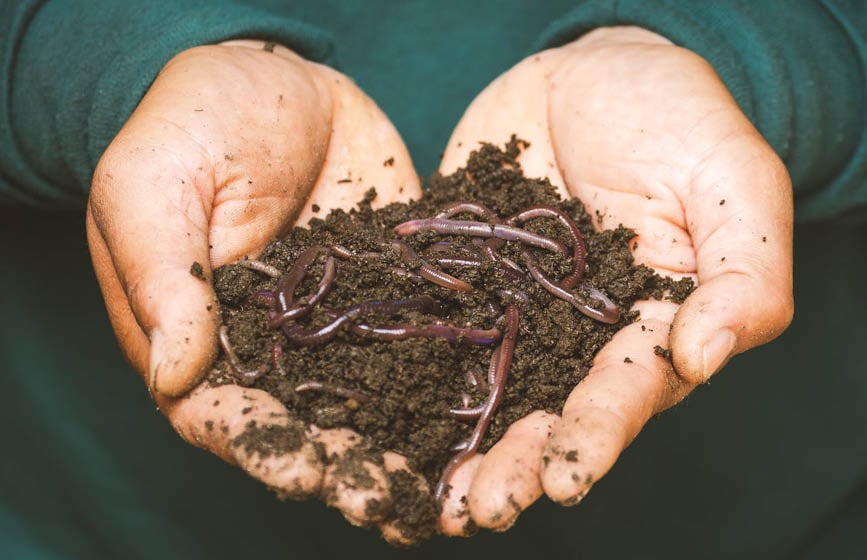 |
| A part of preparing outdoor spaces is evaluating the soil |
| Grading And Slope Adjustments For Better Drainage |
Proper grading is one of the most powerful tools for managing runoff. Even subtle changes in slope can determine whether water drains safely away or collects near foundations and walkways. Ideally, the ground should slope gently away from buildings, encouraging water to disperse across the landscape rather than concentrate in one place.
Correcting grading issues does not always require major excavation. In many cases, adding soil to low spots or reshaping small sections of the yard is enough to redirect water flow. These adjustments protect structures from water intrusion and reduce the risk of long-term damage caused by repeated saturation.
|
| The Role Of Hardscaping In Managing Runoff |
Patios, walkways, and driveways can either worsen runoff problems or help solve them, depending on how they are designed. Solid, impermeable surfaces cause water to run off quickly, often toward areas that cannot handle the volume. That is where thoughtful hardscape planning makes a difference.
Using permeable materials allows rainwater to pass through surfaces and into the ground below. Proper spacing between pavers, well-designed joints, and a supportive base layer all contribute to better drainage. When hardscaping works in harmony with natural water movement, it enhances both functionality and appearance.
|
| Protecting Plants And Garden Areas During Heavy Rain |
Gardens face heightened risk during periods of intense rainfall. Saturated soil can suffocate roots, strip away nutrients, and cause long-term compaction. Raised beds, amended soil with proper drainage, and strategic placement away from runoff channels reduce these issues and help plants recover faster after storms.
For gardeners planning a move, especially a long-distance one, heavy rain preparation may extend beyond the yard. In some cases, relocating with your plants long-distance requires a different approach. Know the rules before you move, since some states restrict the transport of soil or certain plant species. Prep your plants like a pro by pruning lightly, watering a few days in advance, and removing excess soil. Finally, pack and transport plants safely using breathable containers, stable boxes, and temperature control to limit stress during travel. Thoughtful handling protects established plants and supports healthy growth in their new environment.
|
| Landscaping Choices That Support Water Management |
Plants are more than decorative elements; they are active participants in water control. Deep-rooted plants help stabilize soil and improve absorption, while dense ground cover slows the flow of runoff across the surface. Shrubs and trees intercept rainfall before it reaches the ground, reducing the immediate impact of heavy rain.
Choosing plants suited to local conditions is key. Native species are often more resilient and better adapted to regional rainfall patterns. Grouping plants with similar water needs also prevents overwatering and reduces stress on the landscape during prolonged wet periods.
|
| Creating Natural Barriers And Buffer Zones |
Strategically placed buffer zones can protect vulnerable areas from runoff. These zones act as transition spaces where water can slow down, spread out, and infiltrate the soil. Vegetated strips, shallow depressions, and planted borders all serve this purpose without disrupting the overall design of an outdoor space.
Natural barriers are especially useful near property boundaries or slopes where water enters from neighboring areas. Instead of fighting incoming runoff, these features absorb and redirect it, minimizing erosion and reducing the burden on drainage systems.
|
| Managing Gutters, Downspouts, And Water Discharge |
Roof runoff is a major contributor to outdoor water challenges. Gutters and downspouts must be kept clear and properly directed to prevent concentrated flows from damaging landscaping or pooling near foundations. Extending downspouts away from structures allows water to disperse safely across the yard.
The area where water exits downspouts deserves special attention. Reinforcing this zone with stone, gravel, or vegetation prevents erosion and mud buildup. When roof runoff is managed effectively, it becomes a predictable and controllable element of the overall drainage plan.
|
| Addressing Erosion Before It Becomes A Problem |
Erosion often starts subtly, with small channels forming in soil after repeated rainfall. Over time, these channels deepen, carrying soil away and exposing roots or foundations. Addressing early signs of erosion prevents costly repairs and preserves the integrity of outdoor spaces.
Stabilizing vulnerable areas with vegetation, mulch, or natural stone helps hold soil in place. Redirecting water flow before it gains momentum is more effective than attempting to repair damage after it occurs. Proactive erosion control supports both aesthetics and structural stability.
|
| Preparing Outdoor Living Areas For Storm Resilience |
Outdoor living spaces should remain enjoyable even when weather conditions are challenging. Furniture placement, surface materials, and layout all influence how these areas handle heavy rain. Elevating furniture slightly and choosing materials that resist moisture damage reduces maintenance and extends usability.
Ensuring that water drains away from seating areas and gathering spaces prevents puddling and slippery surfaces. When outdoor areas are designed with resilience in mind, they recover quickly after storms and continue to feel welcoming.
|
| Seasonal Maintenance And Ongoing Observation |
Preparation is not a one-time effort. Seasonal maintenance plays a crucial role in keeping outdoor spaces ready for heavy rain. Clearing debris from drainage paths, refreshing mulch, and monitoring soil conditions ensure that systems continue to function as intended.
Regular observation helps identify new problem areas before they escalate. Landscapes evolve, and adjustments may be needed as plants mature or usage patterns change. Staying attentive allows small corrections to make a big difference.
|
 |
| Regular observation helps identify new problem areas before they escalate |
| An Investment in Long-Term Comfort |
Preparing outdoor spaces for heavy rain and runoff challenges is an investment in long-term comfort, safety, and property health. By understanding how water moves, improving soil conditions, and making thoughtful design choices, it is possible to reduce damage and stress caused by intense rainfall. These efforts do not require drastic changes or constant intervention. Instead, they rely on working with natural processes and guiding them in beneficial ways.
A well-prepared outdoor space feels calm and dependable, even during heavy storms. Water flows where it should, plants remain healthy, and structures stay protected. With careful planning and ongoing attention, outdoor areas can withstand the challenges of heavy rain while continuing to serve as beautiful, functional extensions of everyday living.
|
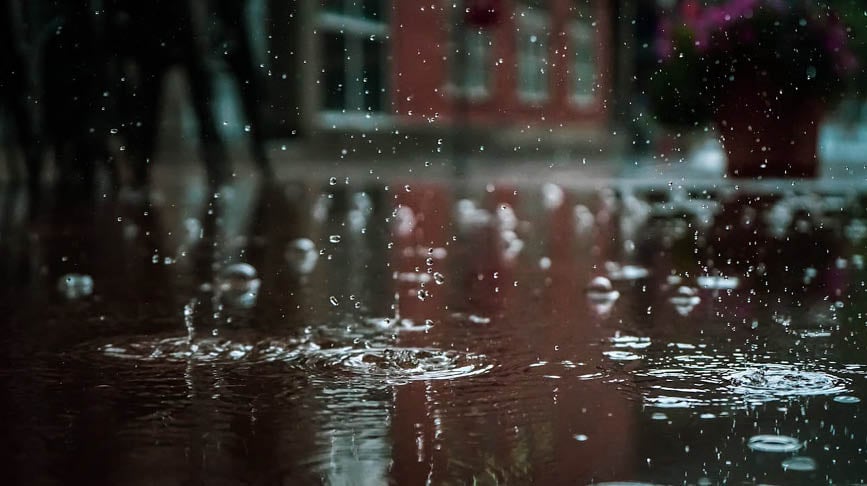
Rain drops Image From Vlad Chetan
Hand With Worms Image From Sippakorn Yamkasikorn
Cherry Blossom Image From Mr. Yin |