 |
| 30 seconds summary |
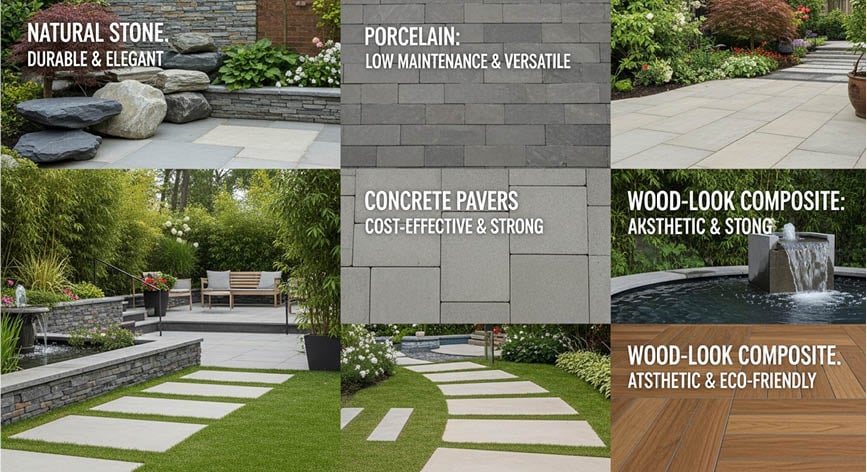
- When selecting tiles for outdoor landscaping projects, it's essential to choose materials that are durable, weather-resistant, and offer a non-slip surface. Porcelain tiles are a top choice for their strength, water resistance, and low maintenance, making them ideal for patios, walkways, and pool areas.
- Natural stone tiles, such as slate, granite, and travertine, provide an elegant, rustic look and are highly durable but often require sealing to maintain their longevity. Ceramic tiles are a more affordable option and come in various designs, though they also need sealing to withstand outdoor conditions.
- Concrete tiles are a versatile and durable choice, customizable in color and texture, while terracotta tiles offer a warm, rustic feel but require proper sealing to resist moisture. Ultimately, the best tile depends on the desired aesthetic, climate, and functionality of the space, with a focus on slip resistance for safety.
|
| Introduction |
| Outdoor landscaping is a critical aspect of creating beautiful and functional outdoor spaces. From patios and walkways to pool surrounds and garden pathways, the materials chosen can significantly impact the overall aesthetic and durability of your landscape design. When considering tiles for landscaping, it is important to focus on factors such as weather resistance, slip resistance, and the aesthetic appeal of the materials. In this guide, we’ll explore various types of tiles, with a particular emphasis on subway tiles as an option for outdoor landscaping projects. |
| Table of Contents |
- Introduction to Outdoor Landscaping Tiles
- Factors to Consider When Choosing Tiles for Outdoor Landscaping
- Durability and Weather Resistance
- Slip Resistance
- Aesthetic Appeal
- Maintenance
- Types of Tiles for Outdoor Landscaping
- Natural Stone Tiles
- Ceramic and Porcelain Tiles
- Concrete Tiles
- Glass Tiles
- Terracotta Tiles
- Subway Tiles in Outdoor Landscaping Projects
- What Are Subway Tiles?
- Advantages of Using Subway Tiles Outdoors
- Design Ideas for Using Subway Tiles Outdoors
- Subway Tiles in Specific Landscaping Features
- Practical Considerations for Using Subway Tiles Outdoors
- Alternative Tiles for Outdoor Landscaping
- Natural Stone Alternatives: Slate and Granite
- Porcelain Alternatives: Outdoor Ceramic Tiles
- Tips for Installing Tiles in Outdoor Landscaping
- Maintaining Outdoor Tiles
- Conclusion
|
| Introduction to Outdoor Landscaping Tiles |
Tiles are a versatile and durable material that has been used in both indoor and outdoor settings for centuries. In outdoor landscaping, tiles can elevate the design of various spaces such as patios, garden pathways, driveways, pool areas, and outdoor kitchens. They can create a cohesive and aesthetically pleasing environment, offering both beauty and functionality. The use of tiles outdoors requires materials that can withstand different weather conditions, resist wear and tear, and maintain their appearance over time.
When designing an outdoor area, choosing the right tiles involves understanding the environmental factors that the tiles will be exposed to. Factors like rainfall, freezing temperatures, humidity, and direct sunlight all impact the choice of tile. Additionally, considerations like foot traffic, outdoor furniture, and potential exposure to pool chemicals or barbecue smoke may dictate the need for specific tile materials.
|
| Factors to Consider When Choosing Tiles for Outdoor Landscaping |
| When selecting tiles for outdoor landscaping projects, it's essential to consider several key factors that will affect the performance and look of the tiles over time. |
| Durability and Weather Resistance |
| Tiles used outdoors should be durable enough to withstand harsh weather conditions. Whether it's heavy rain, high temperatures, or freezing winters, the tiles need to remain intact and perform well. Materials like porcelain, stone, and concrete are popular because of their excellent durability. |
| Slip Resistance |
| Outdoor areas can become slippery, particularly in wet conditions. Therefore, choosing tiles with a slip-resistant surface is crucial for safety. Textured finishes, unglazed tiles, or tiles with non-slip coatings are ideal choices for outdoor spaces such as pool areas, pathways, and patios. |
| Aesthetic Appeal |
| The appearance of the tiles plays a significant role in the overall design of the outdoor space. Whether you prefer a modern look or a rustic feel, there is a wide variety of colors, shapes, sizes, and finishes available. Subway tiles, for example, bring a sleek and classic look that works well in many design styles. |
| Maintenance |
| Outdoor tiles are subject to dirt, grime, and stains. It's important to choose tiles that are easy to clean and maintain. Porcelain tiles are often low-maintenance because of their non-porous surface. Stone tiles may require sealing to protect them from moisture and stains. |
| Types of Tiles for Outdoor Landscaping |
| Different types of tiles are available for outdoor landscaping, each offering distinct benefits and characteristics. Let’s explore the most common types of outdoor tiles. |
| Natural Stone Tiles |
| Natural stone tiles such as granite, slate, limestone, and travertine are highly durable and perfect for outdoor use. These materials offer a timeless and natural look that blends seamlessly with outdoor environments. Stone tiles are often used for garden paths, patios, and pool surrounds. However, they may require sealing to protect them from moisture and staining. |
| Ceramic and Porcelain Tiles |
| Ceramic and porcelain tiles are popular options for both indoor and outdoor spaces. Porcelain tiles, in particular, are known for their durability and resistance to water, making them ideal for areas exposed to rain or humidity. These tiles come in a wide range of colors, patterns, and finishes. Subway tiles, which are often made from ceramic or porcelain, are an excellent option for outdoor spaces, especially when you want to achieve a clean, classic look. |
| Concrete Tiles |
| Concrete tiles are durable and offer an industrial, modern aesthetic. They are perfect for larger outdoor spaces, such as patios and driveways, and can be customized with different colors and textures. Concrete tiles are highly resistant to wear and can withstand heavy foot traffic and extreme weather conditions. |
| Glass Tiles |
| Glass tiles can add a touch of elegance and color to outdoor spaces. They are commonly used for creating accent walls or as part of intricate mosaic designs. While glass tiles are beautiful and reflective, they can be slippery when wet, making them less suitable for areas like pool decks. |
| Terracotta Tiles |
| Terracotta tiles are made from clay and offer a rustic, earthy appeal. They are typically used for Mediterranean-inspired landscapes or in areas where a warm, natural look is desired. However, terracotta tiles can be porous and may need to be sealed to prevent moisture damage. |
| Subway Tiles in Outdoor Landscaping Projects |
| Subway tiles are most commonly associated with indoor applications, particularly in kitchens and bathrooms. However, these simple, rectangular tiles are making their way into outdoor landscaping projects, thanks to their versatility, durability, and classic appeal. |
| What Are Subway Tiles? |
| Subway tiles are typically 3x6-inch rectangular tiles that were originally used in New York City subway stations in the early 20th century. They are known for their clean, minimalist design and are often used in a grid pattern with a slight grout line. Traditionally, subway tiles were made from ceramic, but today they are also available in porcelain, glass, and stone materials, making them a viable option for outdoor applications. |
| Advantages of Using Subway Tiles Outdoors |
- Timeless Design: Subway tiles have a classic look that never goes out of style. Whether used in a traditional or contemporary setting, their clean lines and simple shapes add a sense of sophistication to any outdoor space.
- Variety of Materials: Subway tiles come in various materials, including porcelain, glass, and stone, giving you the flexibility to choose the one that best suits your outdoor project.
- Ease of Maintenance: Porcelain and ceramic subway tiles are easy to clean and maintain, making them a practical choice for outdoor areas prone to dirt and grime. The smooth, non-porous surfaces prevent stains from setting in.
- Durability: Subway tiles made from porcelain or stone are highly durable and can withstand the elements, making them suitable for outdoor use in patios, garden paths, and pool areas.
- Versatile Design: Subway tiles can be laid in various patterns beyond the classic grid design. You can experiment with diagonal layouts, herringbone patterns, or stacked designs to add visual interest to your outdoor space
|
| Design Ideas for Using Subway Tiles Outdoors |
Subway tiles can be used in a variety of outdoor landscaping applications. Here are some design ideas:
- Patios and Terraces: Use subway tiles to create clean, uniform patterns for patios and terraces. This works particularly well with a minimalist or modern design theme.
- Walkways and Garden Paths: Subway tiles can add a touch of elegance to garden paths and walkways. A neutral color palette, such as white, grey, or beige, blends seamlessly with outdoor greenery.
- Pool Areas: Subway tiles can be used around pool decks to create a crisp, neat look. Their non-slip properties (when properly textured or unglazed) make them a safe option for wet areas.
- Outdoor Kitchens and BBQ Areas: Subway tiles can bring a fresh and clean appearance to outdoor kitchens. Whether used for backsplashes or as part of the flooring, subway tiles complement the functionality of an outdoor kitchen with aesthetic appeal.
|
| Subway Tiles in Specific Landscaping Features |
| Subway tiles are an excellent option for specific landscaping features such as water fountains, fire pits, or outdoor fireplaces. Their smooth surface and sleek design can help elevate the look of these features, making them stand out in the garden. |
| Practical Considerations for Using Subway Tiles Outdoors |
While subway tiles are a great option for outdoor landscaping, there are a few practical considerations to keep in mind:
- Temperature Resistance: Make sure to choose subway tiles that can withstand extreme temperatures, particularly in regions with cold winters. Porcelain tiles are ideal for this purpose, as they are freeze-thaw resistant.
- Slip Resistance: For areas like pool decks, patios, and walkways, ensure that the subway tiles have a slip-resistant finish to prevent accidents in wet conditions.
- Sealing: If you choose natural stone subway tiles, such as marble or travertine, be sure to seal them regularly to protect against moisture absorption and staining.
|
| Alternative Tiles for Outdoor Landscaping |
| If subway tiles don't suit your needs or design preferences, there are many alternative tiles for outdoor landscaping. Some options include: |
| Natural Stone Alternatives: Slate and Granite |
| Slate and granite tiles are natural stone options that provide a unique, rugged look to outdoor spaces. These materials are incredibly durable and are resistant to harsh weather conditions, making them ideal for high-traffic areas and outdoor paths. |
| Porcelain Alternatives: Outdoor Ceramic Tiles |
| Porcelain tiles are a more affordable and versatile alternative to stone tiles. They come in a variety of designs and finishes and are ideal for creating modern outdoor spaces. Porcelain tiles are durable and low-maintenance, making them an excellent choice for outdoor areas exposed to the elements. |
| Tips for Installing Tiles in Outdoor Landscaping |
Proper installation is key to ensuring that your outdoor tiles remain intact and functional for years to come. Some tips include:
- Use the Right Adhesive: Choose a high-quality outdoor adhesive that is designed to withstand extreme weather conditions.
- Proper Grouting: Ensure the grout is suitable for outdoor use. It's important to leave space between tiles for expansion and contraction.
- Ensure a Proper Substrate: Ensure the surface beneath the tiles is stable and level to prevent cracking or shifting over time.
|
| Maintaining Outdoor Tiles |
Outdoor tiles require regular maintenance to keep them looking their best. This includes:
- Cleaning: Regularly clean tiles with mild soap and water. Avoid harsh chemicals that could damage the tile surface.
- Sealing: For porous tiles, such as natural stone, apply a sealant to protect against moisture and stains.
- Repairing: If any tiles become cracked or damaged, replace them promptly to prevent further
|
| Conclusion |
| Tiles are an excellent material for outdoor landscaping projects, offering durability, versatility, and aesthetic appeal. Subway tiles, in particular, bring a timeless design that can be adapted to a variety of outdoor settings. Whether used for patios, walkways, pool areas, or outdoor kitchens, subway tiles can enhance your landscaping project with their clean lines and classic charm. Consider all the factors, such as material, slip resistance, and maintenance, to ensure your outdoor tiles perform well and maintain their beauty for years to come. |