 |
| A thriving lawn is not the result of luck or a single weekend of effort. It comes from understanding how grass responds to seasonal changes and adjusting your care routine accordingly. When you work with nature instead of against it, your yard becomes stronger, greener, and easier to maintain over time. By focusing on consistent seasonal strategies, homeowners can create outdoor spaces that stay resilient through changing weather, daily use, and unexpected stress, leading to healthier grass year after year without unnecessary frustration or guesswork. |
| Understanding the Seasonal Needs of Your Lawn |
| Grass follows predictable growth cycles that are closely tied to temperature, sunlight, and soil conditions. Cool periods encourage root development, while warmer months push visible growth above ground. Recognizing these patterns allows you to time your lawn care efforts more effectively and avoid practices that weaken grass when it is most vulnerable. When seasonal care aligns with these natural rhythms, the result is a lawn that recovers faster, resists damage, and delivers healthier grass year after year with less intervention. |
| Healthier Grass Year After Year: Spring Awakening and Lawn Recovery |
| Spring is a period of renewal for your lawn after months of cold or dormancy. As temperatures rise, grass begins to grow again, but it may look thin, compacted, or uneven. Gentle raking helps remove debris and allows sunlight to reach the soil surface. Early mowing sets the stage for even growth, while light watering supports recovery without encouraging shallow roots. That is also a time to observe bare patches and areas that struggled through winter so they can be addressed before summer stress arrives. |
| Soil Health as the Foundation of Strong Grass |
| Healthy grass starts below the surface. Soil structure, nutrient balance, and microbial activity determine how well grass can absorb water and nutrients. Seasonal soil testing helps identify deficiencies and prevents overuse of fertilizers. Organic matter added at the right time improves moisture retention and drainage. When soil health is prioritized year after year, grass becomes more self-sustaining and less dependent on constant intervention. |
| Mowing Practices That Change With the Seasons |
| Mowing height and frequency should shift as the seasons progress. In spring, slightly higher cuts encourage deeper roots. During summer, taller grass shades the soil and reduces moisture loss. In the fall, gradually lowering the height prepares grass for dormancy without shocking it. Sharp mower blades are essential in every season, as clean cuts reduce stress and lower the risk of disease. Thoughtful mowing supports steady growth and improves the overall appearance of your lawn. |
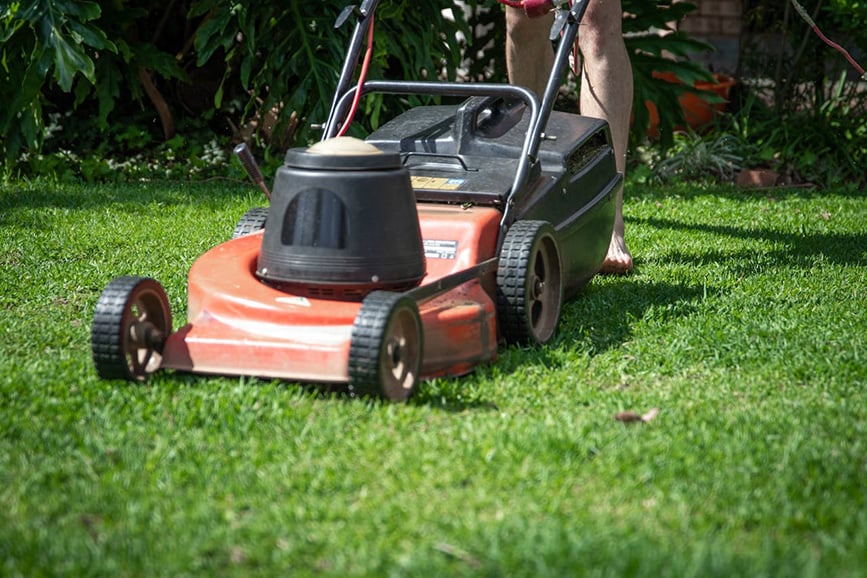 |
| Having healthier grass year after year depends a lot on mowing practices. |
| Watering Smarter Throughout the Year |
| Watering habits often determine whether grass thrives or struggles. In cooler months, grass requires less frequent watering due to reduced evaporation. As heat increases, deeper and less frequent watering encourages roots to grow downward rather than staying near the surface. Seasonal rainfall patterns should guide your approach, with adjustments made to avoid overwatering. Observing how your lawn responds helps fine-tune watering schedules that support long-term health. |
| Summer Stress Management for Resilient Grass |
| Summer places the greatest demands on your lawn. High temperatures, increased foot traffic, and limited rainfall can quickly weaken grass if not managed carefully. Allowing grass to grow slightly taller protects the soil and reduces heat stress. Watering early in the morning minimizes evaporation and disease risk. Accepting that lawns may slow growth or temporarily lose some color during peak heat helps set realistic expectations while preserving root strength. |
| Weed Control Through Seasonal Awareness |
| Weeds take advantage of weak or stressed grass. Seasonal awareness makes weed control more effective and less intrusive. Early spring is ideal for preventing weed establishment, while summer care focuses on maintaining thick grass that crowds out invaders. Fall offers another opportunity to address persistent weeds before they overwinter. Consistent seasonal care reduces the need for aggressive treatments and keeps your lawn looking natural and balanced. |
| Fertilizing at the Right Time for Lasting Results |
| Fertilizer is most effective when applied in sync with grass growth cycles. Spring feeding supports recovery and early growth, while summer applications should be light to avoid burning stressed grass. Fall fertilization strengthens roots and prepares grass for winter dormancy. Choosing the right formulation and timing ensures nutrients are absorbed efficiently rather than washed away or wasted. Over time, this approach leads to steadier growth and improved lawn resilience. |
| Aeration and Overseeding for Long-Term Health |
| Compacted soil restricts root growth and limits water absorption. Seasonal aeration relieves compaction and improves airflow within the soil. Fall is often the most effective time for this process, as cooler temperatures support recovery. Overseeding during the right season fills in thin areas and introduces stronger grass varieties. When combined with proper watering and soil care, these practices rejuvenate lawns without drastic measures. |
| Yard Care During Transitions and Life Changes |
| Relocating often brings a fast pace that makes outdoor maintenance easy to overlook, even though your lawn still needs attention until moving day arrives. Tasks inside the home usually take priority, yet keeping the yard in good condition helps preserve curb appeal and supports the long-term health of your outdoor space. |
| Also, when handling indoor plants during this period, knowing how to pack plants for your upcoming move becomes just as important as mowing or watering. Use appropriate packing materials, wrap delicate foliage in tissue or packing paper, and secure each pot inside a box with extra padding such as packing peanuts. These simple steps contribute to keeping your greenery alive throughout the transition and reduce the risk of damage to potted plants. With a basic routine in place, the yard stays presentable, and your plants arrive ready to thrive in their new home. |
| Fall Preparation and Strengthening Roots |
| Fall is one of the most important seasons for lawn care. Cooler temperatures and increased moisture create ideal conditions for root development. That is the time to repair damage from summer stress, address thinning areas, and apply nutrients that support winter survival. Leaves should be managed promptly to prevent smothering the grass. Consistent fall care builds a strong foundation that carries your lawn through winter and into spring. |
| Winter Protection and Lawn Preservation |
| Winter may appear inactive, but it plays a critical role in the lawn’s annual cycle. Minimizing foot traffic prevents soil compaction and damage to dormant grass. Avoiding heavy equipment on frozen lawns reduces long-term stress. Snow can act as insulation, protecting grass from extreme cold, but ice buildup should be monitored. Winter care is about prevention and patience rather than active intervention. |
 |
| Winter may appear inactive, but it plays a critical role in the lawn’s annual cycle. |
| Adapting Yard Care to Your Local Climate |
| Seasonal guidelines should always be adjusted to reflect local conditions. Climate variations influence grass types, watering needs, and growth patterns. Observing how your lawn responds to weather changes provides valuable insight. Flexibility allows you to adjust care strategies without rigid schedules. Over time, this awareness leads to more efficient maintenance and healthier grass. |
| Building Consistency for Year-Round Lawn Success |
| Consistency is the thread that connects seasonal yard care into a cohesive system. Small, regular actions taken at the right time prevent larger problems later. Monitoring grass color, density, and growth patterns helps identify issues early. When seasonal care becomes a habit rather than a chore, lawn maintenance feels manageable and rewarding. |
| Understanding, Timing, and Patience |
| A beautiful lawn is built through thoughtful choices made consistently across the seasons. Each adjustment, from mowing height to watering habits, plays a role in how well your grass adapts to environmental stress and daily wear. Seasonal care is not about perfection but about awareness, balance, and timing. By respecting how grass grows and rests throughout the year, you create a sustainable routine that supports long-term strength and appearance. With patience and informed care, your efforts compound over time, delivering healthier grass year after year and a yard you can enjoy with confidence. |
Big Suburb House With Terrace Image By: Max Vakhtbovycn
Lawn Mower on Grass Image By: Magda Ehlers
Close-Up Of Frappe Drink Image By: Jill Wellington
|