 |
| Keeping your yard tools in excellent condition is one of the simplest ways to save time, money, and frustration. Whether you are a weekend gardener, a new homeowner, or someone who simply values well-maintained equipment, preventing rust and corrosion is essential. Rust may seem like a minor cosmetic problem at first, but it quickly spreads, weakens metal, and shortens the lifespan of your tools. The good news is that with a bit of knowledge and consistent habits, you can keep your tools clean, functional, and ready for every project. This guide explains the best practices, reasons rust develops, and the steps you can take to preserve your investment. |
| Understanding Why Yard Tools Rust |
| Before thinking about preventing rust and corrosion, it helps to understand why it forms. Rust happens when iron reacts with oxygen and moisture, creating a reddish-brown layer that eats away at metal over time. Even if your tools are stored indoors, humidity in the air can still cause corrosion. Outdoor tools face even more exposure because they are often used in wet soil and damp weather. Knowing the science behind rust helps you appreciate why putting tools away properly and caring for them regularly makes such a big difference in long-term durability. |
| Preventing Rust And Corrosion: The Role of Proper Cleaning |
| Cleaning your tools after every use is the foundation of rust prevention. Dirt, grass, and moisture cling to metal surfaces, creating the perfect environment for corrosion. A quick rinse or wipe-down can remove most of these contaminants before they have a chance to cause damage. Allowing tools to sit overnight with damp soil stuck to them can drastically shorten their lifespan. Even a few minutes spent brushing off dirt or washing shovel blades can significantly reduce the likelihood of rust forming in the first place. |
| Drying Tools Completely |
| Moisture is the biggest enemy of metal, which is why drying your tools thoroughly is just as important as cleaning them. Many people assume that wiping them off is enough, but small water droplets can remain in crevices and screw holes. Letting your tools air-dry in a sunny spot or a well-ventilated area is sometimes all it takes. If you live in a high-humidity region, you may need to manually dry each piece with a cloth before storing it. This simple habit can drastically extend the lifespan of everything from pruners to rakes. |
| Applying Protective Coatings |
| A protective coating creates a barrier between metal and moisture. Many homeowners use mineral oil, motor oil, or specialized tool protectants to shield metal surfaces from rust. When used consistently, these coatings repel moisture and prevent oxygen from reaching the metal underneath. Wooden handles also benefit from oiling, which helps prevent cracks and swelling that can make tools harder to use. Investing in quality protectants saves time and money in the long run because your tools stay in better shape year-round. |
| Storing Tools in the Right Environment |
| Where you keep your tools plays a major role in how quickly they deteriorate. A damp shed, for example, encourages rust even if the tools are cleaned and dried beforehand. Ideally, tools should be stored in a cool, dry place where air can circulate. Hanging them on a wall instead of leaving them on the floor helps prevent moisture from collecting underneath. Even small improvements, such as using moisture-absorbing packets or installing a dehumidifier in your storage area, can help protect your investment. |
| Seasonal Maintenance Matters |
| Every season brings its own challenges when it comes to tool care. Spring and summer often involve heavy tool usage and exposure to moisture, while fall introduces colder temperatures and damp leaves. Winter requires preparation so tools stored long-term do not weaken or corrode. Performing a seasonal inspection allows you to catch developing rust early, tighten loose screws, sharpen blades, and oil moving parts. Treating yard tool maintenance as part of your seasonal routine ensures your equipment stays in top condition no matter the weather. |
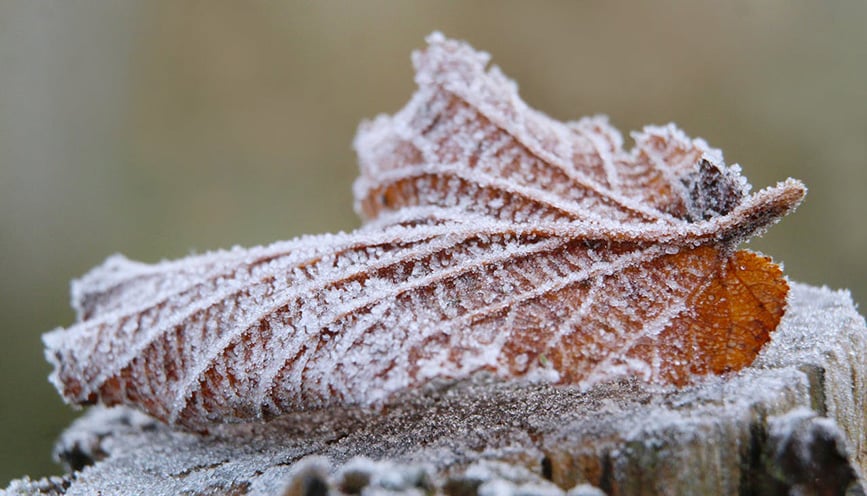 |
| When it comes to preventing rust and corrosion, seasonal maintenance matters. |
| When Moving Your Tools, Protect Them Properly |
| Yard tools often travel with you when you move homes, especially if you have invested in high-quality equipment. Tools tossed loosely into a truck or garage can be scratched or exposed to moisture for hours at a time. Taking a moment to wrap, clean, and dry them before relocating prevents rust from setting in during transit. This is also where a professional moving company can help. Just as BR Moving knows how to protect household belongings during relocations, taking that same level of care with your yard tools keeps them in excellent condition throughout the move. A bit of preparation prevents unnecessary damage while ensuring your tools are ready for immediate use once you settle into your new home. |
| Recognizing Early Signs of Corrosion |
| Rust does not appear suddenly. It begins with small discolorations or rough patches on the metal surface. When caught early, these areas can usually be cleaned with mild abrasives or steel wool. Waiting too long, however, allows rust to deepen and compromise the metal. Learning to identify the first signs of corrosion can help you stop the spread before it becomes a major issue. If you notice a tool starting to show orange or brown streaks, it is time to give it extra attention. |
| Repairing Tools Before Damage Spreads |
| Minor rust spots can be fixed easily with the right approach. A little sanding and a fresh layer of protective oil can bring a tool back to life. When rust becomes extensive, however, the tool may need deeper restoring methods such as full sanding or rust-removing chemicals. Regular maintenance prevents corrosion from eating through the metal and weakening handles, joints, or blades. The sooner you address damage, the more likely the tool will return to near-original condition. Repairing tools promptly avoids unnecessary replacement costs. |
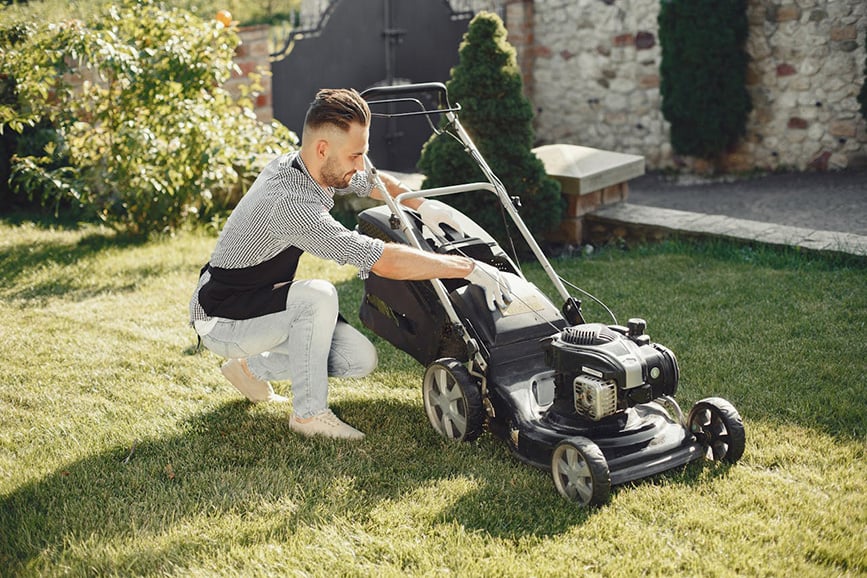 |
| Minor rust spots can be fixed easily with the right approach. |
| Creating a Maintenance Routine You Can Stick To |
| Long-term tool care requires consistency more than anything else. Building habits that feel easy and natural helps ensure your equipment always looks and performs its best. Even if you start small by wiping tools after each use, you will quickly notice how much cleaner and rust-free they stay. Adding protective oil once a month or performing seasonal maintenance are simple steps that compound over time. A routine turns rust prevention into an effortless part of caring for your home and yard, rather than something you only think about when you see damage. |
| Keeping Your Tools in Excellent Condition |
Preventing rust and corrosion in yard tools is far more manageable than most people expect. With the right combination of cleaning, drying, proper storage, and protective coatings, your tools can stay in excellent condition for many years. Regular inspections help you catch early signs of rust, while developing a maintenance routine ensures small problems never become costly repairs. Whether you are caring for pruning shears, shovels, rakes, or any other outdoor equipment, a little attention after each use goes a long way. Well-maintained yard tools save money, reduce frustration, and make every outdoor project smoother and more enjoyable. By prioritizing proper care today, you set yourself up for easier yard work and more reliable tools in the future.
|
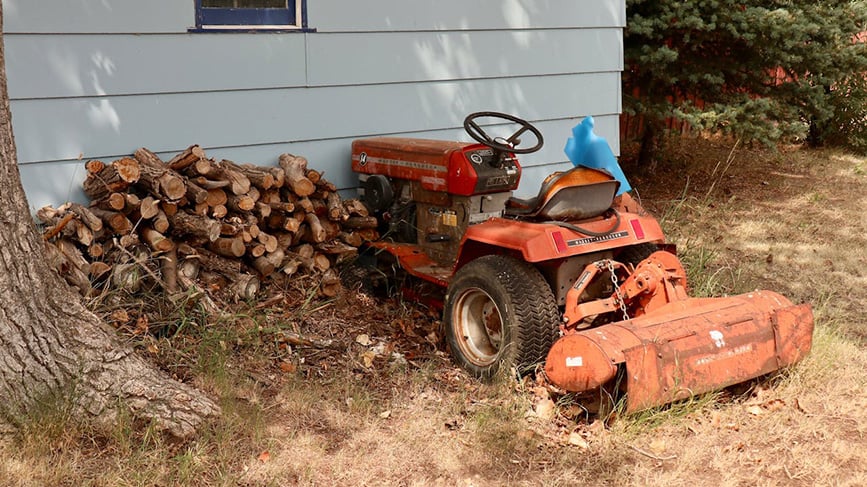
Tractor in Front of House Image By: Giovanni Spoletini
Frozen Leaf Image By: Gosia K
Man By Mower Image By: Gustavo Fring
|