ProParts Direct

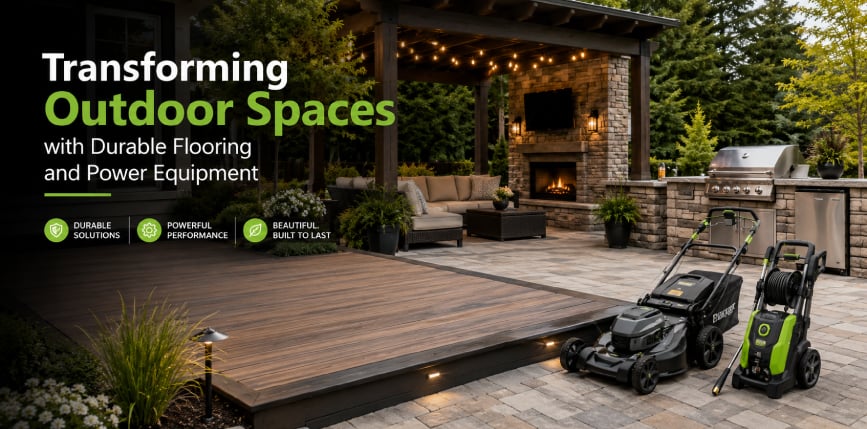
Transforming Outdoor Spaces with Durable Flooring and Power Equipment

Transforming Outdoor Spaces
Quick Snapshot

"Want an outdoor space that feels welcoming, works hard, and stays beautiful longer? We’d start with tough, weather-smart flooring and the right power equipment, because when surfaces stay clean, safe, and cared for, your backyard becomes a place you enjoy."
A beautiful outdoor space is never created by decoration alone. It begins with practical choices that support real daily living, especially durable flooring options like outdoor tiles that can handle weather, foot traffic, furniture, water, and everyday use.

Flooring gives structure to patios, gardens, walkways, driveways, pool areas, and commercial outdoor zones. Power equipment protects that structure by controlling dirt, debris, overgrowth, stains, and seasonal wear. When both are planned together, an outdoor space becomes easier to maintain, safer to use, and more enjoyable for everyday life.

The aim goes beyond simply making the space visually appealing. The goal is to create an outdoor area that performs well, lasts longer, and remains practical in every season.
Choosing Flooring That Can Handle Real Outdoor Conditions
Outdoor flooring endures more wear and exposure than indoor surfaces. Sunlight can fade weak materials, rain can expose poor drainage, frost can crack unstable surfaces, and heavy furniture or equipment can leave marks on soft flooring. For this reason, durability should come before appearance.

Porcelain pavers are a strong choice for patios, walkways, and poolside areas because they resist moisture, stains, fading, and frequent cleaning. They are also available in stone, wood, and concrete-look finishes, which makes them useful for homeowners who want style without constant sealing.

Concrete is another dependable option, especially for driveways, outdoor kitchens, equipment paths, and high-traffic areas. It can be enhanced with stamped designs, textured finishes, protective sealers, or brushed treatments to boost both look and traction.

Composite decking works well for lounge areas, raised decks, and spaces where a warmer, more natural look is preferred. Unlike untreated timber, it resists rot, splintering, and moisture damage more effectively.

Rubber flooring works well in play zones, outdoor fitness areas, utility spaces, and places that need impact cushioning and slip protection. Natural stone offers long-lasting beauty, but it must be chosen carefully because some stones absorb moisture or become slippery when wet.

The best flooring is not simply the hardest material. Ultimately, it’s about choosing a material that matches the way the space functions. For example, a poolside area needs slip resistance more than polished beauty, while a driveway needs load-bearing strength more than decorative finish.
Matching Flooring Choices to Outdoor Use
A common mistake in outdoor design is choosing flooring only because it looks good in photos. A successful outdoor transformation begins with functionality. Before selecting a surface, it is important to ask how the space will be used. Will people walk there every day? Will children play there? Will furniture be moved often? Will a mower, pressure washer, wheelbarrow, or garden cart pass through the area? These questions help prevent poor material choices.
                                                                                
Outdoor AreaBest Flooring OptionsMain Reasons
Patio dining areaPorcelain pavers, sealed concrete, smooth pavers Stable surface for chairs, tables, and food spills
Poolside areaTextured pavers, brushed concrete, anti-slip tilesBetter grip around wet surfaces
Garden pathInterlocking pavers, compacted gravel, stone slabsClear movement without sinking into the soil
Driveway Reinforced concrete, concrete pavers, heavy-duty stone Strength for vehicles and repeated pressure
Outdoor gym or play area Rubber flooring, textured composite, shock-absorbing tiles Comfort, grip, and impact protection
Equipment storage zone Concrete, rubber flooring, heavy-duty pavers Resistance to weight, wheels, water, and stains
 
For dining areas, the flooring should be level, stain-resistant, and easy to clean. Around pools or water features, safety should come before shine. For garden paths, the surface should guide movement clearly and prevent muddy patches. For equipment access areas, the flooring should be strong enough to handle wheels, vibration, and repeated use.

Designing around function does not reduce beauty. It makes beauty last.
Drainage: The Hidden Detail That Protects Outdoor Flooring
Even the strongest flooring can fail if water has nowhere to go. Poor drainage can cause puddles, algae growth, staining, shifting pavers, soft ground, and freeze-thaw damage in colder climates.

A well-designed outdoor surface should direct water away from the house, walls, foundations, and seating areas. Most outdoor flooring should have a slight slope so rainwater does not sit on the surface. Permeable pavers can also help by allowing water to pass through the joints into a prepared base below.

Drainage layers, gravel bases, edge gaps, and drainage channels are especially important for patios, walkways, pool areas, and driveways exposed to frequent rain.

Good drainage also supports easier maintenance. Pressure washing is more effective when dirty water flows away instead of settling back onto the surface. Leaf blowers, mowers, and trimmers also work better when nearby surfaces are dry, stable, and free from muddy patches.

Drainage may not be the most visible part of outdoor design, but it is one of the main reasons flooring stays clean, stable, and attractive for years.
Using Power Equipment According to the Size and Purpose of the Space
Power equipment isn’t limited to large gardens. Even small patios, courtyards, and compact outdoor areas benefit from the right tools. The key is choosing equipment that matches the space's size, surface, and maintenance needs.

A leaf blower makes it easy to clean leaves, dust, grass trimmings, and light debris from decks, pathways, patios, and driveways. A pressure washer can refresh concrete, pavers, stone, and some decking surfaces by removing dirt, mildew, and stains. A string trimmer keeps edges clean around paths, fences, patios, and garden beds.

For lawns beside patios or walkways, a mower keeps grass neat and prevents overgrowth from spreading onto hard surfaces. Hedge trimmers shape plants so greenery enhances the outdoor design instead of hiding flooring or blocking movement. For larger yards, tools like chainsaws, pole saws, and garden shredders can help handle branches, trees, and seasonal cleanup tasks.
                                                                                
Equipment TypeBest UseSuitable Space
Leaf blowerLeaves, dust, grass clippings, light debris Patios, paths, decks, driveways
Pressure washerDeep cleaning stains, mildew, dirt buildupConcrete, pavers, stone, and some decking
String trimmerClean borders and edgesGarden beds, fences, walkways
Lawn mower Lawn control near hard surfaces Yards, gardens, commercial lawns
Hedge trimmer Shaping shrubs and greenery Borders, privacy hedges, garden zones
Garden shredder Reducing branches and plant waste Large gardens, seasonal cleanup areas
 
Battery-powered equipment is a practical option for many homes because it is quieter, easier to store, and requires less maintenance. Corded tools can work well for smaller areas with nearby power access. Gas-powered machines may still be better for large spaces, heavy-duty cleaning, or demanding landscaping tasks.

The right equipment saves time, protects surfaces, and keeps the outdoor area looking cared for rather than neglected.
Matching Flooring Materials with the Right Maintenance Methods
Not every outdoor surface should be cleaned the same way. A tool that works well on one material may damage another. This is where many outdoor spaces lose their original appeal: the flooring may be durable, but the maintenance method is too harsh or unsuitable.

Concrete can usually handle pressure washing, but excessive pressure may damage sealers or worsen weak areas. Pavers can be cleaned effectively, but strong pressure may loosen joint sand. Composite decking should be cleaned with moderate pressure and suitable cleaners rather than aggressive blasting. Natural stone may require pH-neutral cleaners because harsh chemicals can stain, discolor, or weaken the surface.
                                                                                
Flooring MaterialRecommended MaintenanceAvoid
Porcelain paversSweeping, leaf blowing, mild washing Ignoring grout or joint buildup
ConcretePressure washing, resealing when neededVery high pressure on weak or cracked areas
Composite deckingGentle washing, soft brush, approved cleanerHarsh blasting or abrasive tools
Natural stone pH-neutral cleaner, soft washing Acidic cleaners or strong chemicals
Rubber flooring Mild detergent, soft brush, regular rinsing Solvents or aggressive pressure
Gravel paths Raking, edging, and weed control Allowing loose spread into lawns or drains
The goal is not to clean harder. The goal is to clean smarter. A durable surface lasts longer when the maintenance routine matches the material.
Creating Safer Outdoor Areas Through Better Planning
Safety should be part of every outdoor transformation. Flooring should reduce slips, support stable movement, and remain even over time. Uneven pavers, loose gravel, polished wet tiles, cracked concrete, and poorly drained surfaces can all create hazards.

Choosing textured surfaces, secure edging, proper base preparation, and suitable drainage helps prevent many problems before they appear. Around pools and steps, slip resistance is especially important. In dining and lounge areas, the flooring should be flat enough to support chairs, tables, and foot traffic safely.

Power equipment also improves safety by keeping the space clear and visible. Wet leaves can become slippery, overgrown grass can hide path edges, and hanging branches can create risks during storms. Regular mowing, trimming, blowing, and washing help keep outdoor areas open, neat, and easier to use.

Storage is also important. Equipment should not be left directly on finished flooring where fuel, oil, rust, or battery leaks could cause stains. A small shed, outdoor cabinet, covered storage corner, or dedicated utility zone can protect both the tools and the surface beneath them.
Maintenance Frequency for Long-Term Results
Outdoor maintenance does not have to be difficult if it is done consistently. Small routines prevent larger problems such as staining, weed growth, slippery surfaces, and surface damage.
                                                                                
TaskSuggested FrequencyPurpose
Sweep or blow debrisWeekly or as needed Prevents dirt, leaves, and organic buildup
Trim edges near flooringEvery 2–4 weeks during growing seasonKeeps paths and borders clean
Wash patios and walkwaysMonthly or seasonallyRemoves surface dirt and light stains
Pressure wash suitable surfaces 1–2 times per year Deep cleans concrete, pavers, and hardscape
Check drainage areas After heavy rain Helps prevent puddles and water damage
Inspect cracks, loose pavers, or stains Seasonally Catches problems before repairs become costly
Reseal concrete or stone if needed According to material requirement Protects against moisture, stains, and wear
 
A simple schedule helps preserve both appearance and performance. Instead of waiting until the space looks worn out, regular care keeps it ready for daily use.
Common Mistakes to Avoid
Many outdoor flooring and equipment problems come from poor planning rather than poor materials. Avoiding a few common mistakes can save money and prevent frustration.

One mistake is choosing flooring only for appearance. A glossy tile may look elegant but become unsafe when wet. Another mistake is ignoring how water moves through the space, especially around patios, driveways, and pool areas.

Using the wrong cleaning method is another common issue. High-pressure washing may damage soft stone, wood, or joint sand. Harsh chemicals can discolor natural stone or weaken rubber flooring. Poor equipment storage can also create stains, rust marks, or safety hazards.

Another mistake is failing to plan access routes. If heavy equipment, wheelbarrows, or garden tools must cross delicate flooring every week, that surface may wear faster than expected.

Good outdoor design considers beauty, movement, maintenance, water flow, safety, and equipment access from the beginning.
Long-Term Value Comes from Durable Materials and Routine Care
Outdoor improvements should not only look good for one season. Durable flooring and dependable equipment protect long-term value by reducing repair needs, improving safety, and keeping the space visually appealing.

A cracked patio, stained deck, slippery path, or weed-filled walkway can make the entire property feel neglected. In contrast, clean flooring, sharp lawn edges, clear paths, and well-maintained garden borders create a polished first impression.

This matters for homes, rental properties, hospitality spaces, and commercial outdoor areas. A well-maintained exterior can improve usability, guest experience, curb appeal, and overall property presentation.

Durable materials reduce replacement costs. Regular equipment use prevents small issues from becoming major damage. Together, they turn outdoor improvement into a practical long-term investment rather than a short-term decoration project.
Final Thoughts
Transforming outdoor spaces with durable flooring and power equipment is about creating beauty that lasts. Flooring provides the structure, strength, and style. Power equipment keeps that structure clean, safe, and ready for everyday use.

The right surface can turn an unused yard into a welcoming patio, a rough path into a clean walkway, or a plain garden into a functional outdoor retreat. The right equipment keeps that transformation in good condition through changing weather, daily activity, and seasonal cleanup.

When flooring, drainage, layout, maintenance, and equipment are planned together, outdoor spaces become more than attractive. They become practical, resilient, safe, and enjoyable for years to come.
Loading

2015 © ProParts Direct. All Rights Reserved. Privacy Policy | Site Map Design & Development by The Scribbit The Scribbit - Marketing, Graphic Design and Web Development