ProParts Direct

Keep Your Lawn and Garden Equipment In Good Shape With These Seasonal Tips

Homeowners rely on lawn mowers, trimmers, edgers, and other lawn and garden equipment to keep their yards in shape throughout spring and early summer. As grass grows faster and outdoor projects ramp up, this equipment works harder—and that’s when small maintenance issues can quickly turn into frustrating breakdowns.

Staying ahead of wear and tear is the key to avoiding mid-season repairs, lost weekends, and unexpected costs. With consistent upkeep and a few simple habits, you can keep your tools running efficiently from the first mow of spring through the heat of summer.
Quick Overview
  • Spring is the highest-stress season for lawn equipment.
  • Routine inspections help catch worn parts before they fail.
  • Cleaning after each use prevents buildup that reduces performance.
  • Replacing aging components early avoids emergency repairs.
  • Simple documentation keeps maintenance organized and predictable.
Why Ongoing Maintenance Matters
Problem: Equipment failures often happen at the worst possible time—right before guests arrive or during a busy weekend project.

Solution: Build a consistent maintenance rhythm into your routine instead of waiting for something to break.

Result: Fewer interruptions, longer equipment lifespan, and more reliable performance all season.

Spring growth means engines run longer, blades spin faster, and belts and filters collect more debris. That extra workload accelerates normal wear. Without regular checks, minor issues—like a loose belt or clogged air filter—can evolve into expensive repairs.
A Simple Seasonal Maintenance Checklist
Use this step-by-step checklist at the start of spring and revisit it monthly:
1. Inspect Before First Use
2. Clean After Each Use
3. Monitor Performance Changes
  • Notice if the engine sounds rough or uneven.
  • Watch for uneven cutting patterns.
  • Pay attention to vibration or shaking.
4. Replace Worn Components Promptly
Consistent attention to these basics prevents small issues from escalating.

Common Signs of Wear and What They Mean
Symptom Likely Cause What to Do
Uneven grass height Dull or bent blade Sharpen or replace blade
Engine sputtering Dirty air filter or old fuel Replace filter, refresh fuel
Reduced cutting power Worn Belt Inspect and replace belt
Excess vibration Loose bolts or damaged blade Tighten hardware or replace blade
Hard starting Fouled spark plug Clean or replace plug

Recognizing these warning signs early helps homeowners act before a full breakdown occurs.
The Importance of Replacing Aging Parts
Replacing worn or aging parts is essential to keeping lawn and garden equipment running smoothly throughout the season. Components such as blades, belts, and filters naturally degrade with regular use. Dull blades can tear grass instead of cutting it cleanly, worn belts can slip and reduce power transfer, and clogged filters can strain engines. Addressing these issues early prevents performance problems from compounding. Homeowners can find replacement parts through ProParts Direct to maintain their equipment and avoid unexpected breakdowns. Staying ahead of small repairs not only extends the life of equipment but also keeps outdoor projects on schedule without frustrating interruptions.
Build the Habit: A Practical How-To Routine
Instead of viewing maintenance as a chore, treat it as part of your yard workflow.
After every mowing session:
  1. Let equipment cool.
  2. Brush off debris.
  3. Check for loose parts
  4. Store in a dry, covered space.
Once a month during peak season:
  • Inspect blades closely.
  • Check filters.
  • Examine belts and cables.
  • Confirm oil levels.
This rhythm takes only minutes but can prevent hours of repair work later.
Keep Visual Records to Stay Organized
Tracking equipment condition throughout the season helps homeowners stay proactive rather than reactive. Taking photos of worn parts, recent repairs, or problem areas makes it easier to monitor changes over time and determine when attention is needed. Keeping these images organized ensures nothing gets overlooked. If you want to combine multiple photos into one easy-to-reference file, this may help. Converting images into a single PDF creates a convenient maintenance record you can revisit before each season begins.
A Helpful Resource for Smarter Yard Care
For broader lawn and garden guidance, the University of Minnesota Extension Yard and Garden resource offers research-based advice on turf care, soil health, pest management, and seasonal planning.

This type of university-backed information can help you pair equipment maintenance with better overall lawn care practices.
Frequently Asked Questions
How often should I sharpen my mower blade?
Most homeowners benefit from sharpening blades at least once per season, though heavy use may require more frequent attention.
Is it necessary to replace air filters every year?
If you mow regularly during spring and early summer, replacing the air filter annually is a good rule of thumb. Preparing your equipment for the next season is also a good idea.
What’s the biggest cause of mid-season breakdowns?
Neglected small issues—especially worn belts, dull blades, and clogged filters—are common causes of equipment failure.
Should I perform maintenance myself or hire a professional?
Basic inspections and part replacements are manageable for many homeowners. However, complex engine repairs may require professional service.
Final Thoughts
Keeping lawn and garden equipment running smoothly during spring and early summer comes down to consistency. Regular inspections, cleaning, and timely part replacement prevent breakdowns and extend equipment life. A little attention after each use pays off in dependable performance. Stay proactive, and your outdoor projects will stay right on track.

How to Boost Your Business Curb Appeal with Spring Landscape Prep

Spring curb appeal holds up when your landscape rhythm and your equipment care stay predictable. These habits help homeowners and landscapers avoid breakdowns, find needed parts sooner, and keep weekly touch-ups looking like a plan.
For new business owners opening a storefront, office, or service location, the exterior is often the first “review” customers give. The challenge is that spring curb appeal can slip fast when commercial landscape preparation gets delayed, leaving patchy turf, tired beds, and a property that looks unmanaged. That visual mismatch quietly undermines business landscaping importance, even when the team inside is ready to deliver. With steady seasonal landscape maintenance, the property can project care, reliability, and momentum from the start.
Understanding a Spring Curb Appeal Strategy
A simple way to think about commercial landscaping is as planned, repeatable upkeep that makes a property look intentional. The basics start with commercial garden maintenance and then connect three spring priorities: turf health, clean and defined beds, and tools that are ready to run.

This matters because you can only move as fast as your equipment and your plan. When blades are dull or trimmers stall, even good crews fall behind, and the exterior loses consistency. A steady approach like seasonal lawn care also reduces surprise fixes and last-minute parts runs.

Picture a Monday morning refresh: mow and edge first, then tidy beds, then finish with mulch and spot plantings. If your mower starts cleanly and your edger line is stocked, each step supports the next.
Follow a 5-Step Spring Refresh for Lawns and Garden Beds
A strong spring refresh is all about doing the right work in the right order, so your lawn and beds look “managed” quickly, not just “mowed.” Use this five-step sequence to match the priorities you set in your curb appeal plan and keep the results steady through the season.
  1. Start with a “traffic and moisture” check: Before you do anything aggressive, walk the property and flag soft, muddy spots, thin turf, and compacted paths where people cut corners. Protect those areas first by routing foot traffic away until the ground firms up; give the soil time to dry so you don’t create ruts that take all season to recover. This quick assessment also helps you budget time and materials where they’ll show the biggest curb-appeal return.
  2. Aerate only where compaction is actually limiting growth: If the turf feels hard, water puddles, or roots are shallow, aeration can be your fastest “reset.” Use a core aerator (not spike) and focus on high-traffic areas, along sidewalks, and where equipment turns; two passes at perpendicular angles improves hole coverage. Skip aeration on very wet soil (it smears) and on brand-new sod, and mark sprinkler heads first to avoid expensive surprises.
  3. Time spring fertilization for active growth, not the calendar: Fertilizer pays off when grass is waking up and can use the nutrients, too early can push weak top growth and invite problems. Many lawn pros aim for mid to late spring after consistent greening but before summer stress hits. Apply evenly with a calibrated spreader, then water in if rain isn’t expected within 24 hours; uneven passes are one of the most common reasons for streaking that customers notice from the street.
  4. Use a two-part weed plan: pre-emergent plus targeted follow-up: For crabgrass and other annual weeds, apply a pre-emergent early enough to stop germination, then set a reminder to spot-check every 10–14 days. For broadleaf weeds already up, use a selective post-emergent and hit small weeds on mild days when the plant is actively growing, coverage matters more than “extra strength.” In beds, refresh mulch to a consistent 2–3 inches, keeping it a few inches off stems; that blocks light and cuts down on weeding labor.
  5. Improve garden soil, then choose plants that look intentional in spring: Beds pop when soil drains well and plants have a clean edge. Loosen the top 4–6 inches, mix in compost where soil is thin or crusted, and re-establish bed lines with a spade so the border reads crisp from the curb. For plant selection, favor a simple repeat pattern, groups of 3 or 5 of the same plant, mixing early bloomers with dependable foliage, so it looks designed, not random.
When these five steps are handled in order, your mowing and trimming become finishing touches instead of damage control, and it’s much easier to keep both the landscape and the equipment running smoothly all season.
Habits That Keep Curb Appeal and Equipment Consistent
Five-Minute Tool Rinse
  • What it is: After jobs, loosen caked-on soil from hand tools before it hardens.
  • How often: After each use
  • Why it helps: Clean tools cut cleaner and fail less during detail work.
Dry-Then-Store Reset
  • What it is: Wipe down and dry the tools completely before storage.
  • How often: After each use
  • Why it helps: It slows rust and keeps moving parts from sticking.
Weekly Edge and Line Check
  • What it is: Inspect mower blades, trimmer line, and edger edges for nicks.
  • How often: Weekly
  • Why it helps: Sharp edges deliver crisp borders that read “maintained” from the street.
Two-Bin Parts Staging
  • What it is: Keep one bin for wear items and one for backups and manuals.
  • How often: Weekly restock
  • Why it helps: You avoid lost time when a belt, filter, or line runs out.
Ten-Minute Walk-Through Notes
  • What it is: Do a quick pass and jot three fixes for next visit.
  • How often: Weekly
  • Why it helps: Small, timely corrections prevent a whole-yard “catch-up” day. Pick one habit this week, then tune it to fit your family’s schedule.
Spring Prep Questions, Answered
Q: What are the essential steps to prepare a commercial lawn for spring to enhance curb appeal?

A: Start with a site walk to list your biggest curb appeal risks, like bare patches, salt burn, or edging that disappeared over winter. Tackle cleanup, first mow, edging, and a light feeding or overseed plan based on turf needs. A spring landscape design plan helps you set priorities so every visit moves the property toward a consistent look.
Q: How can I efficiently organize and maintain garden tools to get ready for the spring season?

A: Group tools by task, then label one spot for each so nothing gets “parked” in random places. Do a quick sharpen and safety check before the rush, since a so-called mill bastard file works well for many blades and edges. Keep a simple checklist taped inside your storage cabinet for weekly resets.
Q: What strategies help reduce the feeling of overwhelm when getting a commercial garden ready after winter?

A:Shrink the job into three buckets: safety, visibility, and plant health, then pick one win per visit. Write a 10 minute punch list from your walk through notes, and stop when it is done. If paperwork piles up, organize contractor docs and use a possible solution for editing a PDF to finalize forms fast.
Q: Which key lawn and garden tasks should be prioritized to make a strong first impression on visitors and customers?

A: Focus on what reads from the street: crisp edges, clean entry lines, and refreshed mulch or bed borders. Then prune for long term performance, since spring pruning focus should support structure and plant health, not just looks. Finish by fixing thin turf areas near entrances where traffic highlights problems.
Q: How can I find reliable parts and support to keep my lawn equipment in top condition and avoid costly downtime in spring?

A:Start by listing the equipment most likely to stall your schedule, then record model and serial numbers in one shared note. Stock the highest wear items you replace often, and keep manuals and service intervals together for quick decisions. When ordering parts or booking service, confirm lead times early so spring visits stay on track.
Build Stronger Commercial Curb Appeal with One Spring Prep Win
Spring always brings the same pressure: keep grounds sharp and equipment reliable while the schedule fills up fast. The steady path is a preparation-first mindset, identify the biggest risks, keep paperwork organized, and stay ahead on tool readiness, so business appearance enhancement doesn’t depend on last-minute fixes. When spring preparation becomes routine, boosting commercial curb appeal gets easier, crews work cleaner, and customers read the property as cared for. One focused upgrade today creates the curb appeal you can maintain all season. This week, schedule maintenance, refresh a bed, or service tools to lock in landscape maintenance motivation and start stacking small wins. That consistency is what supports long-term landscaping success and a more resilient business year after year.

Beneath the Surface: How Soil and Site Conditions Impact Lawn Care Equipment and Hardscape Projects

“Soil Breakdown
30 seconds summary
  • “Beneath the Surface: How Soil and Site Conditions Impact Lawn Care Equipment and Hardscape Projects” highlights how soil type, drainage, slope, compaction, and moisture drive the success (or failure) of lawn care and hardscape work.
  • It explains how clay, sand, and loam affect mowing, aeration, irrigation, and foundation stability, often requiring different equipment, base designs, and drainage solutions.
  • It also introduces Seismic Data Processing & Imaging Services as a way to “see” subsurface conditions (layering, weak zones, depth to firm ground) so professionals can make smarter equipment choices, plan drainage correctly, and build hardscapes that stay stable over time.
Introduction
When it comes to lawn care equipment and hardscape projects, many homeowners, landscapers, and contractors focus on surface-level considerations such as aesthetics, design, or functionality. However, what lies beneath the surface, soil composition, site conditions, and the specific characteristics of a given landscape can have profound effects on the success of both lawn care and hardscaping endeavors. A deeper understanding of how soil and site conditions influence these projects can help in selecting the right tools, materials, and methods, ensuring longevity, efficiency, and optimal results.
The Role of Soil in Lawn Care Equipment
Lawn care equipment is designed to address specific tasks such as mowing, aerating, fertilizing, and irrigating. While these tools are crucial for maintaining a healthy lawn, their effectiveness can be significantly influenced by the underlying soil conditions. Below are some ways soil type and quality can impact the performance of lawn care equipment.
1. Soil Type and Mowing Equipment
Mowing equipment, especially lawnmowers, is commonly used in landscape maintenance to keep grass at a desirable height. However, different soil types can affect the ease and precision of mowing. For example, a lawn with compacted or heavy clay soil might result in uneven grass growth due to poor drainage. When grass grows unevenly, mowers might struggle to achieve a consistent cut.

  • Clay soils: These tend to retain moisture, and the ground can be soft or muddy, causing mower wheels to sink or leave ruts. Additionally, thick, heavy grass growth in clay soil can strain mower engines.
  • Sandy soils: Sandy soil drains quickly, which may result in dry, patchy grass growth. The mower’s blades may struggle with uneven coverage and may require frequent adjustments to maintain evenness.
To optimize mowing in varying soil conditions, it is important to use mowers with adjustable heights, efficient grass collection systems, and durable wheels designed to handle uneven terrain.
2. Aerating Equipment and Soil Compaction
Aerators are vital tools for improving lawn health by relieving soil compaction, allowing air, water, and nutrients to penetrate deeper into the root zone. Soil compaction often results from foot traffic, heavy machinery, or consistent use of lawn equipment.

  • Heavy clay soils: More prone to compaction, making aeration critical. Lawns with heavy clay often require more frequent aeration using core or spike aerators. Lightweight aerators may not effectively break up dense surface layers.
  • Sandy soils: Less prone to compaction, but still benefit from aeration under heavy foot traffic or repeated irrigation helping reduce runoff and maintain turf health.
3. Fertilizing and Irrigation Systems
Soil type influences how fertilizers and irrigation systems work. Clay-rich soils may retain water and nutrients longer, requiring less frequent watering and more controlled fertilizing. Sandy soils drain quickly, leading to faster nutrient loss and requiring more frequent watering and fertilization.

  • Fertilizing: Clay often benefits from slow-release approaches; sandy soils often need smaller, more frequent applications.
  • Irrigation: Poorly drained soils need careful scheduling to avoid waterlogging; sandy soils often need a more robust system to compensate for quick drainage.
Seismic Data Processing & Imaging Services: Seeing What’s Beneath the Surface
Even experienced crews can be surprised by what’s underground: variable fill, soft pockets, shallow bedrock, old construction debris, or layered soils that behave differently when wet. Seismic Data Processing & Imaging Services help reduce uncertainty by turning subsurface vibration measurements into interpretable “images” and profiles of what’s below grade.
What it helps identify (practically)
Depending on the method and site, seismic imaging can help characterize:

  • Layering and depth to more competent material (e.g., firm native soil or bedrock)
  • Soft/loose zones that may settle under patios, slabs, or retaining walls
  • Variations in compaction across a site (useful where fill is suspected)
  • Moisture-influenced weakness patterns (areas that behave like “sponges” after irrigation/rain)
  • Slope or wall risk factors by highlighting weaker strata that may contribute to movement
Why it matters for lawn care and hardscapes
  • Better equipment decisions: If the subsurface is consistently soft or holds water, you may prioritize lighter equipment, wider tires, track systems, or adjusted maintenance timing to avoid rutting and compaction.
  • Smarter base design: For patios, walkways, and driveways, seismic insights can guide how aggressively you excavate and rebuild the base, where you need geogrid stabilization, and how thick the aggregate layer should be.
  • Drainage planning that matches reality: Instead of guessing where water “should” go, subsurface mapping helps align grading and drainage features with how water and soil layers actually behave.
  • Fewer callbacks and repairs: Hardscape failures (settling, cracking, heaving) often start with unseen conditions. Imaging helps catch them early—before installation.
Typical service flow (high level)
  1. Data acquisition (field measurements)
  2. Seismic data processing (noise reduction, filtering, velocity analysis)
  3. Imaging/inversion deliverables (subsurface profiles/maps)
  4. Actionable recommendations tied to construction and equipment choices
This fits especially well for projects with a history of settling, uncertain fill, mixed soils, drainage complaints, or higher-stakes structures like retaining walls and driveways.
Hardscape Projects: The Influence of Soil and Site Conditions
Hardscape projects, including patios, walkways, retaining walls, and driveways, require significant planning and consideration of the soil and site conditions to ensure structural integrity and aesthetic appeal.
1. Soil Conditions and Foundation Stability
The foundation is one of the most important aspects of any hardscape project. The soil conditions directly beneath the surface determine how stable the foundation will be and whether the hardscape will settle or shift over time.

  • Clay soils: Expand/contract with moisture changes, causing shifting and settling. Prevent issues with proper compaction, reinforcement, and well-built base layers (often gravel and stabilization techniques).
  • Sandy soils: Drain well, but can lack cohesion and erode. Proper compaction and a well-structured base layer are essential to prevent shifting.
  • Loam soils: Generally ideal balanced drainage and stability, often providing a strong base for many installations.
2. Drainage and Hardscape Design
Proper drainage is crucial. Poor drainage can lead to erosion, pooling water, and long-term damage.

  • Clay/compacted soils: Retain moisture, increasing the risk of standing water—often requiring grading, drains, or permeable solutions.
  • Sandy soils: Drain quickly but can erode—may require stabilization measures to control runoff.
3. Selecting Hardscape Materials for Soil Conditions
Material selection should match soil behavior.

  • Concrete: Durable but vulnerable to cracking if soils shift; reinforcement and joints become more important on expansive soils.
  • Pavers and natural stone: More flexible; often better for soils prone to movement.
  • Gravel and loose materials: Great for infiltration and drainage support, but may need edging/stabilization to prevent migration.
4. Retaining Walls and Soil Pressure
Soil type behind the wall affects pressure and drainage needs.

  • Clay soils: Higher pressure and moisture retention walls need strong reinforcement and reliable drainage behind the structure.
  • Sandy soils: Can still exert pressure and wash out; the design must manage runoff and prevent erosion behind the wall.
Conclusion
Soil and site conditions are not secondary considerations in lawn care and hardscape projects—they are the foundation of success. Whether selecting the right equipment for mowing, aerating, or irrigating, or choosing the right materials and base design for patios, retaining walls, and driveways, understanding the subsurface is key to long-lasting performance.

By combining practical site awareness (soil type, drainage, compaction, slope, moisture) with tools like Seismic Data Processing & Imaging Services, homeowners and contractors can reduce guesswork, prevent costly failures, and build landscapes that remain stable, functional, and attractive for years to come.

Best Tiles for Outdoor Landscaping Projects

“Natural
30 seconds summary
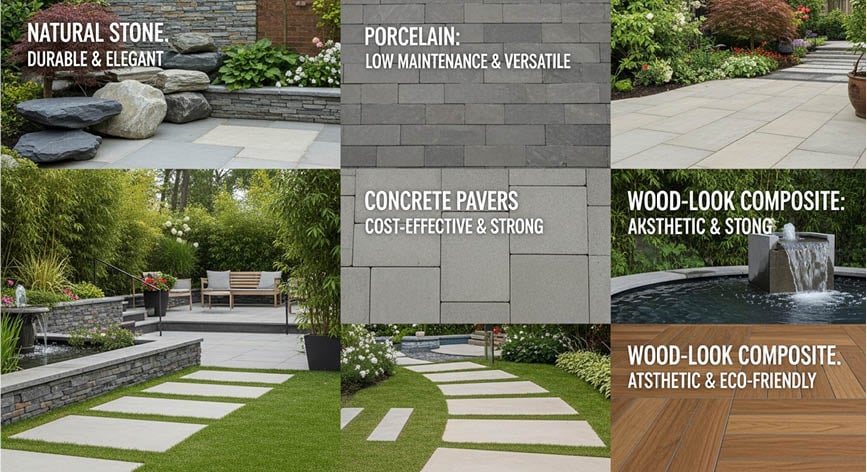
  • When selecting tiles for outdoor landscaping projects, it's essential to choose materials that are durable, weather-resistant, and offer a non-slip surface. Porcelain tiles are a top choice for their strength, water resistance, and low maintenance, making them ideal for patios, walkways, and pool areas.
  • Natural stone tiles, such as slate, granite, and travertine, provide an elegant, rustic look and are highly durable but often require sealing to maintain their longevity. Ceramic tiles are a more affordable option and come in various designs, though they also need sealing to withstand outdoor conditions.
  • Concrete tiles are a versatile and durable choice, customizable in color and texture, while terracotta tiles offer a warm, rustic feel but require proper sealing to resist moisture. Ultimately, the best tile depends on the desired aesthetic, climate, and functionality of the space, with a focus on slip resistance for safety.
Introduction
Outdoor landscaping is a critical aspect of creating beautiful and functional outdoor spaces. From patios and walkways to pool surrounds and garden pathways, the materials chosen can significantly impact the overall aesthetic and durability of your landscape design. When considering tiles for landscaping, it is important to focus on factors such as weather resistance, slip resistance, and the aesthetic appeal of the materials. In this guide, we’ll explore various types of tiles, with a particular emphasis on subway tiles as an option for outdoor landscaping projects.
Table of Contents
  1. Introduction to Outdoor Landscaping Tiles
  2. Factors to Consider When Choosing Tiles for Outdoor Landscaping
    • Durability and Weather Resistance
    • Slip Resistance
    • Aesthetic Appeal
    • Maintenance
  3. Types of Tiles for Outdoor Landscaping
    • Natural Stone Tiles
    • Ceramic and Porcelain Tiles
    • Concrete Tiles
    • Glass Tiles
    • Terracotta Tiles
  4. Subway Tiles in Outdoor Landscaping Projects
    • What Are Subway Tiles?
    • Advantages of Using Subway Tiles Outdoors
    • Design Ideas for Using Subway Tiles Outdoors
    • Subway Tiles in Specific Landscaping Features
    • Practical Considerations for Using Subway Tiles Outdoors
  5. Alternative Tiles for Outdoor Landscaping
    • Natural Stone Alternatives: Slate and Granite
    • Porcelain Alternatives: Outdoor Ceramic Tiles
  6. Tips for Installing Tiles in Outdoor Landscaping
  7. Maintaining Outdoor Tiles
  8. Conclusion
Introduction to Outdoor Landscaping Tiles
Tiles are a versatile and durable material that has been used in both indoor and outdoor settings for centuries. In outdoor landscaping, tiles can elevate the design of various spaces such as patios, garden pathways, driveways, pool areas, and outdoor kitchens. They can create a cohesive and aesthetically pleasing environment, offering both beauty and functionality. The use of tiles outdoors requires materials that can withstand different weather conditions, resist wear and tear, and maintain their appearance over time.
When designing an outdoor area, choosing the right tiles involves understanding the environmental factors that the tiles will be exposed to. Factors like rainfall, freezing temperatures, humidity, and direct sunlight all impact the choice of tile. Additionally, considerations like foot traffic, outdoor furniture, and potential exposure to pool chemicals or barbecue smoke may dictate the need for specific tile materials.
Factors to Consider When Choosing Tiles for Outdoor Landscaping
When selecting tiles for outdoor landscaping projects, it's essential to consider several key factors that will affect the performance and look of the tiles over time.
Durability and Weather Resistance
Tiles used outdoors should be durable enough to withstand harsh weather conditions. Whether it's heavy rain, high temperatures, or freezing winters, the tiles need to remain intact and perform well. Materials like porcelain, stone, and concrete are popular because of their excellent durability.
Slip Resistance
Outdoor areas can become slippery, particularly in wet conditions. Therefore, choosing tiles with a slip-resistant surface is crucial for safety. Textured finishes, unglazed tiles, or tiles with non-slip coatings are ideal choices for outdoor spaces such as pool areas, pathways, and patios.
Aesthetic Appeal
The appearance of the tiles plays a significant role in the overall design of the outdoor space. Whether you prefer a modern look or a rustic feel, there is a wide variety of colors, shapes, sizes, and finishes available. Subway tiles, for example, bring a sleek and classic look that works well in many design styles.
Maintenance
Outdoor tiles are subject to dirt, grime, and stains. It's important to choose tiles that are easy to clean and maintain. Porcelain tiles are often low-maintenance because of their non-porous surface. Stone tiles may require sealing to protect them from moisture and stains.
Types of Tiles for Outdoor Landscaping
Different types of tiles are available for outdoor landscaping, each offering distinct benefits and characteristics. Let’s explore the most common types of outdoor tiles.
Natural Stone Tiles
Natural stone tiles such as granite, slate, limestone, and travertine are highly durable and perfect for outdoor use. These materials offer a timeless and natural look that blends seamlessly with outdoor environments. Stone tiles are often used for garden paths, patios, and pool surrounds. However, they may require sealing to protect them from moisture and staining.
Ceramic and Porcelain Tiles
Ceramic and porcelain tiles are popular options for both indoor and outdoor spaces. Porcelain tiles, in particular, are known for their durability and resistance to water, making them ideal for areas exposed to rain or humidity. These tiles come in a wide range of colors, patterns, and finishes. Subway tiles, which are often made from ceramic or porcelain, are an excellent option for outdoor spaces, especially when you want to achieve a clean, classic look.
Concrete Tiles
Concrete tiles are durable and offer an industrial, modern aesthetic. They are perfect for larger outdoor spaces, such as patios and driveways, and can be customized with different colors and textures. Concrete tiles are highly resistant to wear and can withstand heavy foot traffic and extreme weather conditions.
Glass Tiles
Glass tiles can add a touch of elegance and color to outdoor spaces. They are commonly used for creating accent walls or as part of intricate mosaic designs. While glass tiles are beautiful and reflective, they can be slippery when wet, making them less suitable for areas like pool decks.
Terracotta Tiles
Terracotta tiles are made from clay and offer a rustic, earthy appeal. They are typically used for Mediterranean-inspired landscapes or in areas where a warm, natural look is desired. However, terracotta tiles can be porous and may need to be sealed to prevent moisture damage.
Subway Tiles in Outdoor Landscaping Projects
Subway tiles are most commonly associated with indoor applications, particularly in kitchens and bathrooms. However, these simple, rectangular tiles are making their way into outdoor landscaping projects, thanks to their versatility, durability, and classic appeal.
What Are Subway Tiles?
Subway tiles are typically 3x6-inch rectangular tiles that were originally used in New York City subway stations in the early 20th century. They are known for their clean, minimalist design and are often used in a grid pattern with a slight grout line. Traditionally, subway tiles were made from ceramic, but today they are also available in porcelain, glass, and stone materials, making them a viable option for outdoor applications.
Advantages of Using Subway Tiles Outdoors
  1. Timeless Design: Subway tiles have a classic look that never goes out of style. Whether used in a traditional or contemporary setting, their clean lines and simple shapes add a sense of sophistication to any outdoor space.
  2. Variety of Materials: Subway tiles come in various materials, including porcelain, glass, and stone, giving you the flexibility to choose the one that best suits your outdoor project.
  3. Ease of Maintenance: Porcelain and ceramic subway tiles are easy to clean and maintain, making them a practical choice for outdoor areas prone to dirt and grime. The smooth, non-porous surfaces prevent stains from setting in.
  4. Durability: Subway tiles made from porcelain or stone are highly durable and can withstand the elements, making them suitable for outdoor use in patios, garden paths, and pool areas.
  5. Versatile Design: Subway tiles can be laid in various patterns beyond the classic grid design. You can experiment with diagonal layouts, herringbone patterns, or stacked designs to add visual interest to your outdoor space
Design Ideas for Using Subway Tiles Outdoors
Subway tiles can be used in a variety of outdoor landscaping applications. Here are some design ideas:
  • Patios and Terraces: Use subway tiles to create clean, uniform patterns for patios and terraces. This works particularly well with a minimalist or modern design theme.
  • Walkways and Garden Paths: Subway tiles can add a touch of elegance to garden paths and walkways. A neutral color palette, such as white, grey, or beige, blends seamlessly with outdoor greenery.
  • Pool Areas: Subway tiles can be used around pool decks to create a crisp, neat look. Their non-slip properties (when properly textured or unglazed) make them a safe option for wet areas.
  • Outdoor Kitchens and BBQ Areas: Subway tiles can bring a fresh and clean appearance to outdoor kitchens. Whether used for backsplashes or as part of the flooring, subway tiles complement the functionality of an outdoor kitchen with aesthetic appeal.
Subway Tiles in Specific Landscaping Features
Subway tiles are an excellent option for specific landscaping features such as water fountains, fire pits, or outdoor fireplaces. Their smooth surface and sleek design can help elevate the look of these features, making them stand out in the garden.
Practical Considerations for Using Subway Tiles Outdoors
While subway tiles are a great option for outdoor landscaping, there are a few practical considerations to keep in mind:
  • Temperature Resistance: Make sure to choose subway tiles that can withstand extreme temperatures, particularly in regions with cold winters. Porcelain tiles are ideal for this purpose, as they are freeze-thaw resistant.
  • Slip Resistance: For areas like pool decks, patios, and walkways, ensure that the subway tiles have a slip-resistant finish to prevent accidents in wet conditions.
  • Sealing: If you choose natural stone subway tiles, such as marble or travertine, be sure to seal them regularly to protect against moisture absorption and staining.
Alternative Tiles for Outdoor Landscaping
If subway tiles don't suit your needs or design preferences, there are many alternative tiles for outdoor landscaping. Some options include:
Natural Stone Alternatives: Slate and Granite
Slate and granite tiles are natural stone options that provide a unique, rugged look to outdoor spaces. These materials are incredibly durable and are resistant to harsh weather conditions, making them ideal for high-traffic areas and outdoor paths.
Porcelain Alternatives: Outdoor Ceramic Tiles
Porcelain tiles are a more affordable and versatile alternative to stone tiles. They come in a variety of designs and finishes and are ideal for creating modern outdoor spaces. Porcelain tiles are durable and low-maintenance, making them an excellent choice for outdoor areas exposed to the elements.
Tips for Installing Tiles in Outdoor Landscaping
Proper installation is key to ensuring that your outdoor tiles remain intact and functional for years to come. Some tips include:
  • Use the Right Adhesive: Choose a high-quality outdoor adhesive that is designed to withstand extreme weather conditions.
  • Proper Grouting: Ensure the grout is suitable for outdoor use. It's important to leave space between tiles for expansion and contraction.
  • Ensure a Proper Substrate: Ensure the surface beneath the tiles is stable and level to prevent cracking or shifting over time.
Maintaining Outdoor Tiles
Outdoor tiles require regular maintenance to keep them looking their best. This includes:
  • Cleaning: Regularly clean tiles with mild soap and water. Avoid harsh chemicals that could damage the tile surface.
  • Sealing: For porous tiles, such as natural stone, apply a sealant to protect against moisture and stains.
  • Repairing: If any tiles become cracked or damaged, replace them promptly to prevent further
Conclusion
Tiles are an excellent material for outdoor landscaping projects, offering durability, versatility, and aesthetic appeal. Subway tiles, in particular, bring a timeless design that can be adapted to a variety of outdoor settings. Whether used for patios, walkways, pool areas, or outdoor kitchens, subway tiles can enhance your landscaping project with their clean lines and classic charm. Consider all the factors, such as material, slip resistance, and maintenance, to ensure your outdoor tiles perform well and maintain their beauty for years to come.

2015 © ProParts Direct. All Rights Reserved. Privacy Policy | Site Map Design & Development by The Scribbit The Scribbit - Marketing, Graphic Design and Web Development