ProParts Direct

Understanding the Role of Circuit Breakers in Outdoor Power Equipment

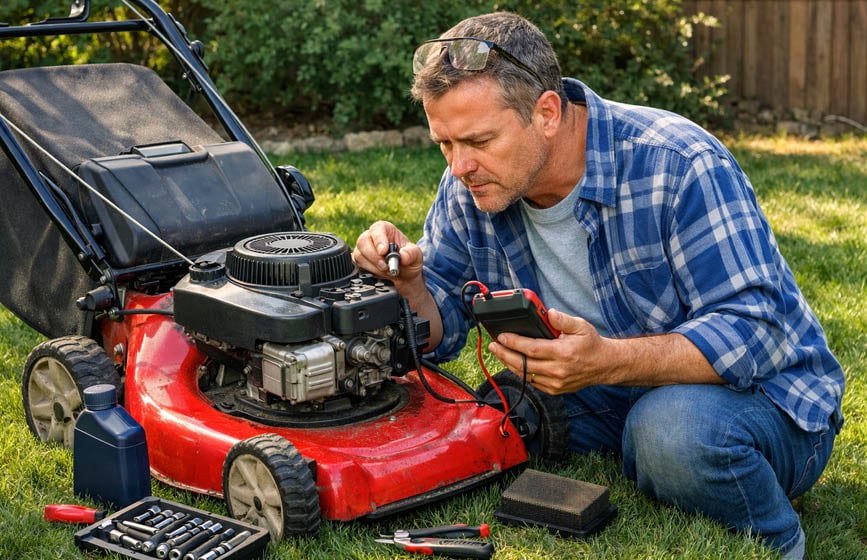
“Circuit
30 seconds summary
  • Circuit breakers play a crucial role in outdoor power equipment by providing essential protection against electrical overloads and short circuits. They act as safety devices, automatically shutting off power when excessive current is detected, preventing damage to the equipment and reducing the risk of fire or injury.
  • By interrupting the electrical flow during faults, circuit breakers help maintain the longevity of machinery and ensure safe operation in various outdoor environments.
  • Understanding their function is key to maintaining reliable and safe power systems for outdoor activities.
In the world of outdoor power equipment, safety and reliability are critical considerations. Whether used for lawn maintenance, construction, or other industrial applications, the equipment relies on electrical circuits to power their functions. These electrical circuits are vulnerable to overloads and short circuits, which can lead to serious damage or even pose a safety risk. This is where circuit breakers come into play. Circuit breakers are integral safety components that help prevent electrical hazards by interrupting the flow of electricity when an abnormal condition is detected.

Circuit breakers are designed to protect outdoor power equipment from electrical faults such as overloads, short circuits, and ground faults. They serve as a safeguard, ensuring that electrical components do not suffer damage due to excess current. This article aims to delve into the importance of circuit breakers in outdoor power equipment, their working principles, types, and applications, and how they contribute to the longevity and safety of these machines.
The Importance of Circuit Breakers in Outdoor Power Equipment
Circuit breakers are essential for protecting electrical systems in various outdoor power equipment, such as lawnmowers, snow blowers, generators, and pressure washers. In outdoor environments, electrical systems face several challenges, such as exposure to harsh weather conditions, fluctuating power supplies, and varying loads. Without a circuit breaker, outdoor power equipment could easily experience catastrophic failures due to power surges, overheating, or electrical faults.

The role of circuit breakers can be understood in the context of their basic function: to automatically detect and interrupt the electrical current when it becomes dangerous. By doing so, circuit breakers prevent damage to the electrical components of the power equipment, reduce the risk of fire hazards, and protect operators from electrical shocks.

How Circuit Breakers Work
To understand how circuit breakers contribute to the safety of outdoor power equipment, it is essential to grasp their operating principles. At their core, circuit breakers are designed to detect abnormal conditions in an electrical circuit and automatically break the circuit, stopping the flow of electricity. This is crucial because electrical faults such as overcurrent or short circuits can cause significant damage to equipment and present serious safety risks.

  1. Overcurrent Protection: When an electrical circuit is subjected to excessive current (overcurrent), the wiring and components in the circuit can overheat, leading to fires, equipment damage, or even explosions. Circuit breakers monitor the amount of current flowing through the circuit and, when the current exceeds a set threshold, the circuit breaker trips, opening the circuit and halting the flow of electricity.
  2. Short Circuit Protection: A short circuit occurs when there is an unintended low-resistance path formed between two conductors in the circuit. This causes a massive increase in current, which can damage the electrical equipment. Circuit breakers are specifically designed to detect short circuits and interrupt the current flow almost instantly, protecting the equipment from harm.
  3. Ground Fault Protection: Ground faults occur when electricity flows through an unintended path, such as a person or grounded surface. This is particularly dangerous in outdoor power equipment, as it can lead to electric shock. Ground fault circuit interrupters (GFCIs), a specialized type of circuit breaker, are often used in outdoor equipment to monitor and prevent dangerous ground faults.
Circuit breakers typically feature a mechanical switch that opens or closes the circuit depending on whether the current is within the acceptable range. The tripping mechanism in circuit breakers is based on either thermal or magnetic principles, or a combination of both.

  • Thermal Circuit Breakers: These circuit breakers rely on a bimetallic strip that bends when heated by excessive current. As the strip bends, it triggers the release of a spring-loaded mechanism, opening the circuit and stopping the flow of electricity.
  • Magnetic Circuit Breakers: Magnetic circuit breakers use an electromagnet to detect overcurrent conditions. When the current exceeds a certain level, the electromagnetic field becomes strong enough to trip the circuit breaker, instantly disconnecting the power.
  • Thermomagnetic Circuit Breakers: Combining the thermal and magnetic principles, thermomagnetic circuit breakers offer enhanced protection by monitoring both the current flow and temperature.
Types of Circuit Breakers Used in Outdoor Power Equipment
Circuit breakers come in various types, each designed to suit different applications. The type of circuit breaker chosen for outdoor power equipment depends on factors such as the voltage and current ratings, the nature of the equipment, and the environmental conditions. Below are some common types of circuit breakers used in outdoor power equipment:

  1. Standard Circuit Breakers: These are the most common types of circuit breakers used in residential and commercial electrical systems. They are typically used in equipment such as generators, pressure washers, and other power tools. Standard circuit breakers are designed to protect against both overcurrent and short circuits.
  2. Ground Fault Circuit Interrupters (GFCIs): GFCIs are essential for outdoor power equipment, especially those used in damp or wet conditions. These circuit breakers detect ground faults, where current may flow to the ground through an unintended path, such as the human body. When a ground fault is detected, the GFCI trips and disconnects the power, helping to prevent electrocution.
  3. Arc Fault Circuit Interrupters (AFCIs): AFCIs are used in equipment that might be susceptible to arc faults. Arc faults occur when there is an electrical discharge, which can ignite nearby combustible materials and lead to fires. AFCIs monitor the circuit for signs of arcing and trip when an arc fault is detected.
  4. Magnetic Circuit Breakers: Magnetic circuit breakers are often found in applications requiring rapid response times, such as industrial power equipment. These breakers use an electromagnet to detect and react to overcurrent conditions almost instantly. They are frequently used in heavy-duty outdoor power tools and machinery.
  5. Hydraulic-Magnetic Circuit Breakers: These are specialized circuit breakers that combine hydraulic and magnetic principles to offer greater protection against both high and low current surges. They are used in equipment that requires higher precision and durability, such as large generators and industrial equipment.
Applications of Circuit Breakers in Outdoor Power Equipment
Circuit breakers are used in a wide range of outdoor power equipment to ensure safe operation and prevent electrical hazards. Some key applications include:

  1. Generators: Outdoor generators are often used to supply electricity in remote locations or during power outages. Because generators are exposed to various weather conditions and fluctuating electrical loads, they require circuit breakers to protect against overloads, short circuits, and other electrical faults. Without circuit breakers, a surge in current or a short circuit could damage the generator’s internal components.
  2. Lawnmowers: Lawnmowers, whether electric or gas-powered, use electric motors to drive the cutting blades. Circuit breakers in lawnmowers protect the motor and wiring from electrical faults. They also ensure that the mower operates efficiently and safely, preventing overheating and electrical failures.
  3. Pressure Washers: High-powered pressure washers rely on electric motors to generate water pressure for cleaning purposes. These machines are subject to heavy use and are often exposed to water, which increases the risk of ground faults and electrical short circuits. Circuit breakers, particularly GFCIs, are vital for protecting both the equipment and users from electrical shocks in these environments.
  4. Snow Blowers: Snow blowers operate in cold, wet conditions and are often used in harsh environments. These machines require circuit breakers to safeguard the electrical components from overloads and to ensure safe operation in potentially hazardous weather conditions.
  5. Power Tools: Outdoor power tools, such as chainsaws, drills, and hedge trimmers, often rely on circuit breakers for protection. Given the diverse range of tools used in outdoor environments, circuit breakers ensure that the equipment can handle fluctuations in power supply and avoid damage due to electrical faults.
Benefits of Circuit Breakers in Outdoor Power Equipment
The integration of circuit breakers into outdoor power equipment offers several significant benefits:

  1. Enhanced Safety: The primary benefit of circuit breakers is enhanced safety. By automatically detecting electrical faults and disconnecting the power, circuit breakers reduce the risk of electrical fires, equipment damage, and electrical shock hazards. In outdoor environments, where conditions can be unpredictable, the role of circuit breakers becomes even more crucial.
  2. Improved Equipment Longevity: Circuit breakers help extend the lifespan of outdoor power equipment by preventing damage from overcurrent or short circuits. When a fault is detected, the breaker disconnects the circuit before any significant damage occurs, allowing the equipment to continue functioning properly.
  3. Preventing Downtime: By protecting outdoor power equipment from electrical damage, circuit breakers reduce the likelihood of downtime and the need for expensive repairs. This is especially important in industrial or commercial settings where power equipment is relied upon for productivity.
  4. Compliance with Safety Standards: Many countries have stringent safety standards for outdoor power equipment. The inclusion of circuit breakers ensures compliance with these standards and helps manufacturers meet regulatory requirements for electrical safety.
Conclusion
Circuit breakers are an essential component in the safety, efficiency, and reliability of outdoor power equipment. By protecting electrical circuits from overloads, short circuits, and ground faults, these devices ensure that outdoor power tools and machinery can operate safely in various conditions. Whether used in generators, lawnmowers, snow blowers, or power tools, circuit breakers play a vital role in preventing electrical hazards, extending the lifespan of equipment, and ensuring the safety of operators.

As technology continues to advance, the role of circuit breakers in outdoor power equipment will become even more critical. With the increasing use of electronic controls, smart sensors, and automated systems, circuit breakers will continue to evolve, providing more sophisticated and reliable protection for outdoor power equipment. Ultimately, circuit breakers are not just safety devices; they are integral components that help maintain the efficient and safe operation of outdoor power equipment in an increasingly complex and dynamic environment.

How to Dispose of Your Old Lawn Mower?

“Close-up
Every homeowner eventually faces the question of what to do with an old lawn mower. Maybe it no longer runs, maybe you’ve upgraded to a newer model, or perhaps you’ve decided to let a landscaping company take over yard work. Whatever the reason, you’re left with a bulky piece of equipment that you can’t just toss to the curb. Disposing of a lawn mower requires thought and responsibility, not only because of its size and materials but also because it may still contain fuel, oil, and parts that can harm the environment if not handled properly. The good news is that there are plenty of safe, practical, and even rewarding ways you can dispose of your old lawn mower.
Understanding Why Proper Disposal Matters
A lawn mower isn’t just scrap metal. It contains fluids, plastics, and other materials that can leach harmful chemicals into the soil if left in a landfill. Gas-powered models, in particular, may still hold gasoline or oil, both of which are dangerous to dispose of improperly. By taking the time to handle your old mower responsibly, you’re not only keeping your yard clean but also contributing to environmental protection. You may even discover that your old mower has more value than you first thought.
Preparing Your Lawn Mower for Disposal
Before you move your mower anywhere, it needs to be drained of all fluids. Gasoline, oil, and even tiny residues can create hazards during transport. Draining should be done outdoors in a well-ventilated area, ideally using a siphon pump or by carefully tipping the mower into a container. Once emptied, store the fluids in appropriate containers and bring them to a local hazardous waste disposal site or recycling center. This step is critical because many recycling programs won’t accept a mower that still contains fuel or oil.
Downsizing and Decluttering Through Disposal
Disposing of an old lawn mower can also be part of a larger effort to simplify your home and yard. If you're planning to relocate, this is a great opportunity to learn how to downsize your belongings before a move. It makes sense to take the opportunity to get rid of the unnecessary items before packing. A lawn mower, especially one you don’t plan to use again, can take up valuable space in a moving truck. By parting with it ahead of time, you lighten your load and make your transition easier.
Recycling Options for Your Lawn Mower
Many communities offer recycling programs specifically for old equipment like lawn mowers. Scrap metal yards often welcome them because much of the mower’s body is steel or aluminum, both of which are valuable materials. Some recycling centers may require you to disassemble the mower first, separating plastics, metals, and electronic parts. While it can be a bit of extra work, recycling ensures that the raw materials are reused instead of ending up in a landfill. Always check your local regulations to see what your recycling options look like in your area.
“Recycle
There are a lot of recycling options when trying to dispose of your old lawn mower.
Donating a Working Lawn Mower
If your machine still runs, even if it’s not perfect, there may be someone who would be grateful to take it off your hands, especially if the lawn mower is well-maintained. Local charities, community organizations, and even schools with gardening programs often accept equipment donations. Donating is an excellent way to extend the lifespan of the mower while helping someone else save money. Even if it requires minor repairs, a mechanically inclined person may be happy to put in the work. Not only do you clear space at home, but you also contribute to your community.
Selling or Trading Your Old Lawn Mower
Sometimes an old mower can bring in a little cash. Online marketplaces, garage sales, or local repair shops are good outlets for selling. Even if it’s not in top condition, buyers often look for parts or project machines. Some lawn and garden retailers also offer trade-in programs when you purchase a new mower. While you may not make a fortune, selling or trading gives your mower a second life while reducing waste. It’s a win-win situation that benefits both you and the buyer.
Repurposing Mower Parts
Just because the mower doesn’t cut grass anymore doesn’t mean every part is useless. Engines, blades, and wheels can often be salvaged for other purposes. Creative DIYers repurpose wheels into carts, use mower engines for go-karts, or turn blades into unique tools. Even if you’re not handy, local repair shops may be eager to take parts off your hands. Thinking creatively about repurposing not only reduces waste but also sparks innovation.
Disposing of a Broken or Non-Repairable Mower
If your lawn mower is truly beyond repair and not suitable for donation or repurposing, then professional disposal is the best route. Many waste management companies offer bulk pickup services for large items like lawn mowers. Some will schedule special collection days for bulky waste, while others require you to drop off the mower at a designated facility. This option may come with a small fee, but it ensures the equipment is disposed of safely and in accordance with local guidelines.
Considering Eco-Friendly Alternatives
When you get rid of your old mower, it’s also a good time to consider more sustainable options for the future. Electric mowers, battery-powered models, or even manual reel mowers provide greener alternatives with fewer emissions and lower maintenance. Choosing an eco-friendly replacement not only keeps your lawn looking neat but also reduces your long-term environmental footprint. By making a thoughtful switch, you ensure that the cycle of lawn care becomes cleaner and more responsible.
“Person
It’s also a good time to consider more sustainable options for the future.
Working With Professionals for Pickup
If lifting and transporting a mower sounds like too much of a hassle, there are professional services that specialize in junk removal. These companies typically offer pickup from your driveway or garage, saving you the trouble of moving the mower yourself. Many of them also prioritize recycling, meaning your mower is more likely to be broken down responsibly. While there’s usually a cost involved, the convenience and peace of mind can make it worthwhile.
Local Regulations You Should Know
Lawn mower disposal isn’t the same everywhere. Some regions have strict rules about hazardous materials, while others emphasize recycling. Before you set your plan in motion, check your local waste management authority’s website or give them a call. They’ll be able to tell you whether you can leave a mower at the curb, where to take drained fluids, and what recycling options exist. Following these guidelines not only keeps you compliant with local laws but also helps keep the process smooth and stress-free.
Turning Disposal into a Positive Experience
An old lawn mower doesn’t have to be a burden. With the right approach, you can turn disposal into a positive experience. Whether you recycle, donate, sell, or repurpose, each option ensures that your machine avoids becoming another piece of landfill waste. Preparing the mower properly, draining fluids, and checking local regulations are all important steps in the process. In some cases, you might even find that your old mower still holds value for someone else. If you dispose of your old lawn mower in the best way, you not only clear space in your garage but also do your part for the environment. The next time you look at that rusty mower sitting in the corner, remember that disposal is really about opportunity—the chance to pass it along, recycle its materials, or make room for something better.
Photo Credits

Red Lawn Mower by: Maciej Karon
Blue Recyle Bin By: Sigmund
Hand with plant in hand by: Noah Buscher

The Ultimate Spring Lawn Care Checklist for a Perfect Yard

“Women
Spring is here. The birds are singing, the sun’s peeking through the clouds, and your lawn well, it’s probably still shaking off winter’s frostbite. If your yard’s looking more sad than sprightly, don’t worry. You’re not alone. Spring is the season of transformation, and your lawn is totally ready for one.

This guide is your go-to, no-fluff, super practical checklist to help you get that lush, vibrant, magazine-cover lawn without needing a degree in horticulture or a truckload of fancy tools. Whether you’ve got a postage-stamp-sized patch or a full-blown backyard paradise, this spring lawn care checklist will have your yard strutting like it’s on a green carpet.
1. Wait for the Right Time to Start
Before you go all-in with rakes and fertilizers, hold up. You need to wait until your lawn is actually ready to wake up. If the soil is still squishy or frozen, don’t mess with it just yet. Walking or working on a soggy lawn can compact the soil and damage tender grass shoots.
Pro Tip:
Test your soil by grabbing a handful. If it crumbles, you’re good to go. If it’s sticky and wet, give it a few more days to dry out.
2. Give Your Lawn a Good Rake (Yes, Even in Spring)
Think raking is only for fall? Nope. Spring raking is crucial to remove thatch (that tangled layer of dead grass, roots, and debris) that blocks water and nutrients from reaching the soil. Plus, raking fluffs up matted grass and lets air in, which helps your lawn breathe.
What to Use:
A good-quality leaf rake or dethatching rake will do the trick. Go gentle, you're not digging for treasure, just giving the grass a good comb-through.
3. Test Your Soil (It’s Easier Than You Think)
Want a seriously healthy lawn? Start from the ground up. Literally. A simple soil test will tell you if your pH is out of whack or if you’re missing key nutrients. Most home improvement stores sell DIY test kits, or you can send a sample to your local extension service.
What You’re Looking For:

  • Ideal pH: Between 6.0 and 7.0 for most grasses
  • Nutrient Deficiencies: Like nitrogen, phosphorus, or potassium
You’ll use these results to figure out the best fertilizer and amendments later.
4. Clean Up the Lawn
Time to channel your inner Marie Kondo and get rid of anything that doesn’t spark joy or growth. Clear out fallen branches, leaves, leftover snow mold, or pet waste. If you left your holiday decorations out too long (guilty), now’s the time to reclaim your yard.
Why it Matters:
All that debris can suffocate your grass and block sunlight. A tidy lawn gives you a fresh foundation to build on.
5. Fix Bare Spots and Reseed Like a Pro
Bald patches are a buzzkill. Whether they came from foot traffic, winter damage, or your dog’s “favorite spot,” they need some TLC.
Here’s the Fix:
  1. Loosen the soil in the bare area with a rake.
  2. Sprinkle a lawn repair mix or grass seed blend that matches your lawn type.
  3. Cover lightly with topsoil or peat moss.
  4. Water gently but consistently.
Timing Tip
Spring is a great time to seed cool-season grasses like fescue and bluegrass. If you have warm-season grass, wait until late spring or early summer.
6. Aerate if Your Lawn Feels Compacted
If your lawn feels hard and you notice puddling water or struggling grass, it might be compacted. Aeration helps relieve the pressure by poking holes into the soil, allowing water, air, and nutrients to get in deeper.
Options:
  • Manual Aerator: A foot-powered tool with hollow spikes.
  • Rent a Core Aerator: For bigger lawns, totally worth it.
  • DIY Shoes: Yeah, they sell spike shoes. Are they effective? Eh... kind of, but not as good as core aerators.
Best Time to Aerate:
Spring for cool-season grasses. Late spring or early summer for warm-season grasses.
7. Apply Pre-Emergent Weed Control
Here’s a secret: The best time to fight weeds is before you see them. Pre-emergent herbicides stop weed seeds (especially crabgrass) from germinating. Apply them before the soil consistently hits 55°F.
Don’t Mix With Seeding:
If you’re reseeding, skip the pre-emergent. It’ll block all seeds, yes, even the good on
Pro Move:
Combine with a light fertilizer for a two-in-one lawn boost.
8. Fertilize Like a Boss
Your grass just woke up and it’s hungry. Feed it the right stuff at the right time and you’ll be rewarded with a lawn so lush, your neighbors will whisper behind their blinds.
Starter Fertilizer vs. Regular:
  • Starter: For new seed or overseeding
  • Regular: For established lawns
Granular vs. Liquid:
  • Granular: Easier to apply, longer-lasting
  • Liquid: Fast-acting, great for a quick green-up
Watch Your Ratios:
A balanced fertilizer (like 10-10-10) works for many lawns. But go based on your soil test if you did one.
9. Mow Early and Often (but Don’t Scalp It)
The first mow of the season is a big deal. But don’t get carried away. Cutting too short shocks the grass and makes it easier for weeds to invade.
Best Practices:
  • Set your mower to the highest setting for the first few mows.
  • Never cut more than 1/3 of the blade height at a time.
  • Keep those blades sharp-dull blades tear instead of cut.
Bonus Tip:
Leave grass clippings on the lawn to act as natural mulch and return nutrients to the soil. It’s called “grasscycling,” and it’s awesome.
10. Water Wisely, Not Wildly
Overwatering is one of the most common lawn sins. Your spring lawn doesn’t need to be drenched, it needs consistent moisture.
Ideal Watering Routine:
  • 1 inch per week, including rainfall
  • Early morning is best (less evaporation and less disease risk)
  • Deep, infrequent watering encourages deeper roots
Skip the shallow, daily sprinkles. They do more harm than good.
11. Edge Your Lawn (It’s Like Eyebrows for Your Yard)
A good edge makes a huge difference in your lawn’s appearance. Whether it’s along sidewalks, flower beds, or your driveway, a crisp border makes everything look cleaner and more intentional.
Tools You Can Use:
  • Manual edger (half-moon blade)
  • Power edger
  • Weed trimmer (turn sideways for a quick edge job)
12. Tune Up Your Lawn Tools
Your lawnmower, trimmer, and sprinkler system need love too. Before the season kicks into high gear, check everything’s working right.
What to Check:
  • Change mower oil and spark plugs
  • Sharpen mower blades
  • Clean filters
  • Test sprinklers for clogs or leaks
Don’t forget your leaf blower, rake, and any other trusty tools in the shed.
13. Mulch Garden Beds and Borders
While not technically “lawn,” your flowerbeds play a huge role in how your yard looks overall. Add a fresh layer of mulch to retain moisture, block weeds, and give everything a fresh, tidy vibe. Choose from bark, shredded hardwood, straw, or compost just don’t pile it up against plant stems or tree trunks like a volcano. Keep it a few inches away.
14. Keep an Eye on Pests and Diseases
Spring is prime time for certain pests like grubs and chinch bugs to make a comeback. If your grass starts browning or thinning in patches, inspect below the surface.
What to Look For:
  • White grubs curled up in the soil
  • Fungus spots or strange discoloration
  • Chewed or eaten blades of grass
Catch issues early to treat effectively and avoid spreading.
15. Give Love to High-Traffic Areas
If kids, pets, or weekend warriors wear the same paths through your lawn, those spots need extra help. Aerate, reseed, or use stepping stones to prevent long-term damage.

And consider fencing off new seed areas until they’re established. Your lawn’s healing process will thank you.
Bonus Spring Refresh: Check the Whole Yard
While you're out there, look at other parts of your outdoor setup. Your patio, garden lights, fences, and even your home’s exterior might need a little spring TLC.

Here’s a random but often-overlooked one, air duct cleaning South Jordan services are super popular in spring too. A clean HVAC system means better airflow when you’re moving between indoors and outdoors, plus fewer allergens floating around. If you’re already in refresh mode, it’s worth considering.
Wrap-Up: Your Spring Lawn Game Plan
Let’s recap your ultimate spring lawn care checklist:
✅Wait until your lawn is ready
✅ Rake out thatch and debris
✅ Test your soil
✅ Clean everything up
✅ Fix bare spots and overseed
✅ Aerate if needed
✅ Apply pre-emergent weed control
✅ Fertilize smartly
✅ Now correctly
✅ Water with purpose
✅ Edge for clean lines
✅ Tune up your gear
✅ Mulch your beds
✅ Watch for pests
✅ Care for high-traffic zones
✅ Consider whole-yard upkeep
A lush spring lawn isn’t magic—it’s just a few weeks of good habits and a little love. Grab your gloves, pull on your boots, and take it one step at a time. By summer, you’ll be stretching out on a thick, healthy lawn thinking, “Dang, I did that.”

10 Drought-Resistant Landscaping Ideas to Save Water

“Drought Resistant Landscaping Ideas
Let’s be real, keeping your lawn lush and green year-round isn’t easy when your region’s been practically sunbathing for months with no rain in sight. If you live in a place where droughts are common (or just want to stop pouring your paycheck into the sprinkler system), drought-resistant landscaping is your new best friend.

This isn’t about giving up a beautiful yard. Nope, it’s about working smarter not harder. With the right plants, designs, and tricks, you can have a yard that’s low-maintenance, eco-friendly, and eye-catching. Whether you're starting fresh or looking to make a few swaps, I've rounded up 10 awesome ideas that’ll help you save water without sacrificing style.
1. Go Native with Your Plants
First things first, when it comes to saving water, native plants are a no-brainer. These are the plants that naturally grow in your region, so they're already adapted to your climate, soil, and rainfall (or lack of it).

They don’t need much pampering. Once they’re established, they practically thrive on neglect and who doesn’t want that?
Popular picks:
  • If you're in the Southwest? Try agave, yucca, or desert marigold.
  • Midwest folks? Look into purple coneflower or black-eyed Susan.
  • California? Manzanita and California poppy are top choices.

Native plants support local wildlife, too, so you'll get butterflies and birds dropping by just to say thanks.
2. Swap Grass for Groundcovers
Let’s talk about that thirsty patch of green most of us call a lawn. Traditional turfgrass sucks up a ton of water like, thousands of gallons a year kind of ton.

If you want to save water (and never mow again hallelujah), consider swapping your grass for drought-tolerant groundcovers. These hardy little plants spread out nicely, cover the soil, and need way less water than grass ever dreamed of.
Groundcover favorites:
  • Creeping thyme: Smells amazing and can handle foot traffic.
  • Sedum: Comes in tons of colors and is crazy easy to grow.
  • Dymondia: Low-growing, silver-green, and perfect for sunny areas.

Groundcovers also reduce erosion, keep weeds out, and help your yard look lush without all the effort.
3. Mulch Like a Pro
If mulch isn’t already your landscaping sidekick, it’s time to become BFFs. A thick layer of mulch helps lock in moisture, regulate soil temperature, and keep weeds in check. That means less watering and less weeding.
A few mulch options to try:
  • Wood chips or bark, natural and great for most gardens.
  • Gravel perfect for a desert or minimalist look.
  • Compost mulch feeds your soil as it breaks down.

Spread it 2–3 inches deep around your plants and trees, but don’t let it touch the stems or trunks they like in their personal space.
4. Install Drip Irrigation
Soaker hoses and drip irrigation are like the slow cookers of the landscaping world, efficient, low-effort, and totally reliable.

Instead of blasting water into the air like a sprinkler, a drip system delivers water right to the plant roots where it’s needed. You’ll waste way less water (no evaporation or runoff), and your plants will thank you.

It might take a weekend to install, but once it's in, you’re golden. Many systems can even hook up to a smart timer so you can water in the early morning while you sleep in.
5. Get Smart with Your Hardscaping
Want to seriously cut down on your water use? Add more stuff to your yard that doesn’t need watering at all.

We’re talking hardscaping things like patios, walkways, gravel paths, or decorative rocks. These can break up your yard visually while reducing the total area you need to water.
Ideas to try:
  • A gravel firepit seating area.
  • A flagstone path lined with drought-tolerant herbs.
  • A dry creek bed made with river rocks and succulents.

Hardscaping doesn’t have to feel cold or boring to mix materials and textures to keep things interesting and cozy.
6. Use Rainwater (Yes, Even in a Drought)
I know it sounds ironic to talk about rainwater in a drought article, but even dry regions get the occasional downpour. Why not put that water to good use?

Rain barrels are simple to set up and can catch water from your roof for future use in your garden. They’re perfect for watering potted plants or garden beds.

Just make sure to keep the lid on tight to avoid mosquitoes unless you want to host a bug rave every weekend.
7. Group Plants with Similar Water Needs
Here’s a sneaky trick to save water and avoid overwatering: put your plants into zones based on how thirsty they are.
Here's what that might look like:
  • High-water zone (if needed): right by your front door or patio, where you want a lush look and can easily water.
  • Medium-water zone: shrubs and perennials that don’t need constant care.
  • Low-water zone: succulents, cacti, and native grasses that basically run on fumes.

This way, you’re not wasting water on desert plants that hate wet feet or stressing out your thirsty ferns by sticking them in the sun with a cactus roommate.
8. Say Hello to Succulents
Succulents are the poster children of drought-tolerant plants and for good reason. They store water in their leaves, they come in about a million shapes and colors, and they’re ridiculously easy to take care of.

You can plant them directly in the ground, stick them in pots, or even make a living wall. Mix and match to get some serious visual drama.
Some stunners to consider:
  • Echeveria — rosette-shaped and picture-perfect.
  • Aloe vera — healing and hardy.
  • Hens-and-chicks — great for rock gardens or container clusters.

They’re especially good if you forget to water for a week or two. Or three. We won’t judge.
9. Design for Shade
Here’s a little secret, the more shaded your yard is, the less water you’ll need. Shade helps reduce evaporation, keeps your soil cool, and protects tender plants from getting scorched.
You can create shade with:
  • Pergolas or trellises covered in drought-tolerant vines like bougainvillea or trumpet vine.
  • Strategically placed trees like mesquite or palo verde (both drought-tolerant!).
  • Shade sails or umbrellas over sitting areas.

Plus, a shady corner just begs for a hammock and a cold drink.
10. Create a Zen-Inspired Rock Garden
Sometimes, the best way to save water is to just stop fighting nature altogether. If your region is super dry, lean into it with a Zen rock garden.

Use gravel, sand, and larger stones to create a peaceful space that’s all about textures and contrast. Toss in some driftwood, a few sculptural plants (like red yucca or blue fescue), and maybe a bench or two, and boom you’ve got a minimalist oasis that barely needs a drop of water.

Bonus: rock gardens are super low-maintenance. No mowing, trimming, or fertilizing. Just raking the gravel once in a while is enough to keep it looking sharp.
Bonus Tips: Extra Water-Saving Hacks
Alright, if you’re still thirsty for more ideas (pun absolutely intended), here are a few extra tricks:
  • Water early or late in the day, this keeps the sun from stealing your moisture.
  • Fix leaks — even a tiny drip adds up fast.
  • Use a broom, not a hose — don’t spray down your driveway!
  • Let your grass go dormant — it’ll bounce back after the dry season.
  • Skip the pressure-washing unless absolutely necessary (except for air duct cleaning utah - those guys have the gear for it).
Final Thoughts
You don’t need to live in a lush rainforest to have a yard that makes your neighbors do a double-take. Drought-resistant landscaping is all about working with your environment, not against it. By choosing the right plants, rethinking your layout, and getting a little creative, you can have a gorgeous, water-smart space that’s easier on the eyes and the wallet.

So whether you’re planning a total yard makeover or just want to swap out a few high-maintenance plants, start with one or two of these ideas. Over time, you’ll create a space that’s not only beautiful but built to thrive no matter what the weather throws at it.
Image by: Freepik

2015 © ProParts Direct. All Rights Reserved. Privacy Policy | Site Map Design & Development by The Scribbit The Scribbit - Marketing, Graphic Design and Web Development