ProParts Direct

Best Practices for Winter Storage of Lawn Mowers

“Guy
Taking care of your lawn mower doesn’t end when the grass stops growing. Winter storage of lawn mowers plays a big part in keeping your machine running smoothly for years. Cold weather and long months of inactivity can wear down parts, from the engine to the blades. Following a few simple steps, you can avoid costly repairs and have your mower ready to go when spring comes around. Let’s explore how proper winter storage can save you time and money.
Clean the Lawn Mower Thoroughly
Before storing your mower for the winter and transitioning from lawn care to snow removal, it's important to clean it properly. Dirt, grass clippings, and other debris can cling to the underside, around the blades, and inside the deck. If left there, these materials can cause rust and clog vital components, affecting your mower’s performance. Use a brush or a hose to remove any buildup from the deck and blades. For tough spots, a mower deck scrapper can help scrape away stuck-on debris. A clean mower is less likely to develop problems during storage and will be ready to use when you need it again.
“Progressive
Grass gets everywhere, so clean your lawn mower regularly.
Secure a Dry, Protected Area for Winter Storage of Lawn Mowers
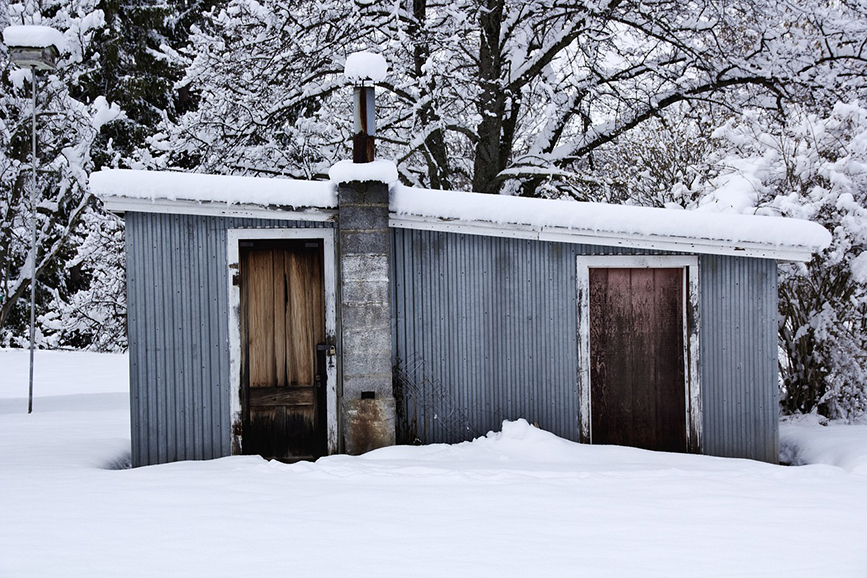
Finding the right storage spot for your lawn mower is just as important as maintenance tasks. A dry, protected area helps prevent rust and damage during the cold months. In states like Colorado, where temperatures drop well below freezing, snowfall is frequent, and cold and moisture can seriously harm your mower. Freezing temperatures can thicken fuel and oil, while heavy snow can cause rust and corrosion if the mower isn't sheltered. Ideally, store your mower in a garage or shed, clearing the area of clutter that could cause damage. If indoor storage isn’t possible, use a waterproof cover to protect it from snow and ice. For added peace of mind, professional storage services like Columbine Moving and Storage provide secure options for keeping your mower safe and well-protected until spring.
Empty or Stabilize the Fuel Tank
As it sits, the fuel in your lawn mower can break down and gum up the carburetor or other parts of the engine, making it difficult to start when spring arrives. You have two simple options: you can either run the tank dry or add a fuel stabilizer. Running the mower until it uses up all the fuel ensures that no gas is left to go stale. Adding a stabilizer is a great alternative if you’d rather leave some fuel in the tank. The stabilizer helps prevent the fuel from breaking down. After pouring it in, let the engine run for a few minutes so the treated fuel can circulate through the system.
Change the Oil
Changing the oil in your lawn mower is another important step before storing it for winter. Old, dirty oil can cause significant engine damage over time. When you leave it in for months, it can thicken and create sludge, restricting proper lubrication. To change the oil, start by running the mower for a few minutes to warm it up, as warm oil drains more easily. Next, turn off the mower and locate the oil drain plug, typically found at the bottom of the engine. Remove the plug and let the oil flow into a container for disposal. After draining, replace the plug and refill the engine with fresh oil according to your mower's specifications. Using the correct type of oil helps keep your engine running smoothly and can prolong its lifespan.
“Person
Not changing the oil before winter can lead to serious engine issues in the spring.
Remove and Clean the Spark Plug
The spark plug plays a key role in starting the engine, and if it’s dirty or worn, it can lead to starting issues come spring. To begin, disconnect the spark plug wire and use a socket wrench to remove the spark plug from the engine. Once it’s out, take a moment to inspect it for any signs of damage or heavy carbon buildup. If the spark plug looks dirty, you can clean it with a wire brush or replace it if it appears worn. A new spark plug is often a good investment if the old one shows significant wear. After cleaning or replacing it, make sure to reconnect the spark plug wire securely.
Sharpen the Mower Blade
Sharpening your lawn mower's blade is a smart move that pays off when you start mowing again. A sharp blade cuts grass cleanly, promoting healthier growth and preventing damage to your lawn. To sharpen the blade, first disconnect the spark plug wire to ensure safety. Next, remove the blade using a socket wrench. It’s essential to wear gloves to protect your hands while handling the sharp blade. Once removed, clean it with a wire brush to eliminate any grass buildup. You can sharpen the blade using a file or a blade sharpener, focusing on maintaining the original angle of the blade. If you prefer, you can also take it to a professional
Remove the Battery (If Applicable)
If your lawn mower has a battery, removing it for winter storage is a smart move. Cold temperatures can impact battery performance, leading to difficulty starting the mower in spring. Start by disconnecting the negative terminal first, then the positive terminal, to avoid any electrical short circuits. Once disconnected, carefully remove the battery from the mower. Store it in a cool, dry place away from extreme temperatures. It’s also a good idea to keep the battery charged throughout the winter by checking it periodically. If the battery shows signs of wear or doesn’t hold a charge well, consider replacing it before the next mowing season.
Final Safety Checks Before Storing
Before you finalize the winter storage of lawn mowers, conduct a few last safety checks to ensure your mower is fully prepared to help revive your lawn when spring arrives. Here’s a quick list of tasks to complete:
  • Inspect for loose parts: Check all bolts, screws, and fittings to make sure everything is tight and secure.
  • Look for damage:Examine the mower for any visible signs of wear, cracks, or leaks that might need attention
  • Clean the air filter:If your mower has an air filter, clean or replace it to maintain proper airflow.
  • Check tires: Ensure the tires are properly inflated and in good shape to prevent flat spots during storage.
Doing these checks will help prevent issues and keep your lawn mower ready for action when you need it. A little effort now can lead to a smooth start in the spring!
“Man
Check for imperfections before the winter storage of lawn mowers.
A Little Care Now, A Better Lawn Mower Later
Taking the time to follow these steps for the winter storage of lawn mowers can make a significant difference in how your mower performs in the spring. By cleaning, maintaining, and properly storing your mower, you can prevent costly repairs and ensure it’s ready for action when you need it. Remember, a little care during the off-season goes a long way in prolonging the life of your equipment. With these practices in place, you’ll be set to enjoy a lush lawn with ease when warmer weather returns.
Winter Garage image by: Pexels
Grassbuster image by: Progressive Lawn Sam
Close up of mower with wrench by: Gustavo Fring
Man with Mower by: Gustavo Fring

The Best Lawn Equipment for New Homeowners

“White
Moving into a new home is exciting, but maintaining your lawn can be daunting. A lush, well-kept lawn enhances the beauty of your new property and creates a welcoming outdoor space for family and friends. To make this task easier and more enjoyable, investing in the best lawn equipment is a smart move. With the right tools, lawn care becomes less chore and more rewarding. This guide will walk you through the top equipment choices that will help you achieve a vibrant, healthy lawn. From basic necessities to specialized tools, you’ll learn how to select equipment that suits your needs and keeps your yard looking its best.
The Basics: Essential Tools for Every Lawn
Every new homeowner needs a few basic tools to keep their lawn in great shape. Let’s explore the must-have equipment that will make lawn care simpler and more effective:
  • Lawnmower:Whether you choose a push, self-propelled, or riding mower depends on your lawn size. Push mowers are great for small yards, while self-propelled and riding mowers are better for larger spaces.
  • String trimmer: This tool helps you trim grass and weeds around edges and tight spots where a mower can’t reach.
  • Leaf blower: Keeping leaves and debris off your lawn not only looks good but also helps maintain the health of your grass.
  • Rake: Despite technological advances, a good rake remains useful for gathering leaves and spreading mulch.
With these basic tools, you’ll be well-equipped to maintain a healthy and attractive lawn.
“Lawn
A lawn mower is necessary for keeping the lawn in good shape.
Moving Challenges: Handling Heavy Items with Care
Moving into a new home presents challenges, especially with heavy items like furniture and appliances. If dealing with these items seems overwhelming, using professional moving services can simplify the process. According to Maryland professionals, preparation is crucial when moving furniture across states. Disassemble large pieces when possible to make them easier to handle. Protect your items with specialized materials such as furniture blankets, bubble wrap, and strong packing tape. In addition, using moving dollies and straps can help maneuver heavy items safely and efficiently. Alternatively, you might choose to hire movers and skip the groundwork altogether, allowing professionals to manage the heavy lifting and logistics.
For the Perfectionist: Tools for a Pristine Lawn
If you aim for a flawlessly manicured lawn, these tools can make all the difference and help you achieve that pristine finish:
  • Edger: Creates clean, defined borders along sidewalks and driveways. This tool helps maintain a sharp, professional look.
  • Lawn roller: Flatten uneven areas and improve seed-to-soil contact. It’s perfect for smoothing out your lawn after seeding or dethatching.
  • Dethatcher: Removes thatch and dead grass, which helps the lawn breathe and promotes healthy new growth.
  • Aerator: Reduces soil compaction by creating small holes. This process enhances root growth and improves water and nutrient absorption.
These will help you maintain a perfectly groomed lawn, elevating the overall look of your outdoor space.
For the Gardener: Tools for Planting and Pruning
For those who enjoy gardening, these tools are key to successful planting and maintenance:
  • Garden spade: Ideal for digging, planting, and turning soil. It’s great for creating garden beds and moving soil.
  • Pruners: Essential for trimming and shaping plants. They help keep your garden healthy by removing dead or overgrown branches.
  • Wheelbarrow: Makes transporting soil, plants, and gardening tools easier. It saves you multiple trips and reduces strain.
  • Garden hose: Necessary for watering your plants. Choose one with adjustable spray settings to handle different watering needs.
With these tools, you’ll be well-equipped to cultivate a thriving garden and keep your plants in top shape.
“Women
A wheelbarrow is a gardener’s best friend for simplifying heavy task
Safety First: Protective Gear You Should Have
Maintaining your lawn is important, but safety should always come first. Equip yourself with these protective gear items:
  • Gloves: Protect your hands from cuts, blisters, and irritants while handling tools and plants.
  • Safety glasses: When mowing or using a trimmer, shield your eyes from debris and dust.
  • Ear protection: Use earplugs or earmuffs to protect your hearing from the loud noise of lawn equipment.
  • Proper footwear:Wear sturdy boots to prevent injuries from tools or sharp objects in the grass.

These safety measures allow you to work comfortably and avoid injuries while keeping your lawn in great shape.
Maintenance Matters: Taking Care of Your Equipment
Even the best lawn equipment needs regular maintenance. Begin with your lawn mower; sharpen the blades and trimmers to ensure they cut efficiently. After each use, clean your tools to remove grass and debris, which helps prevent rust and keeps them in good condition. Store your equipment in a dry, sheltered place to avoid weather damage.
Regularly check for any signs of wear and promptly address issues like cracked belts or dull blades. Perform routine servicing, such as oil changes and air filter replacements, according to the manufacturer’s guidelines. These simple steps will help your equipment stay reliable and perform well for years to come.
“Man
You need the best lawn equipment, but you also need to keep it in the best shape.
Budget-Friendly Options: Best Lawn Equipment for Every Budget
Maintaining a beautiful lawn doesn’t have to be costly. Start by considering pre-owned tools for significant savings. Look for gently used mowers, trimmers, and other equipment through local listings or second-hand stores. Be sure to inspect items carefully to ensure they are in good working condition. Another smart choice is multi-functional tools, which combine several features into one device. For instance, a trimmer with edging and blowing attachments can save you space and money. Additionally, DIY alternatives can be a budget-friendly option. Simple homemade solutions, such as a DIY compost bin or manual garden tools, can be surprisingly effective and less expensive than their store-bought counterparts.
Conclusion: Preparing for a Beautiful Lawn
Choosing the best lawn equipment is key to efficient and enjoyable lawn care. Whether you're a new homeowner or looking to upgrade your tools, investing in the right equipment will make a significant difference. From basic essentials to advanced tools, selecting the right gear helps you maintain a healthy and attractive lawn with less effort. Consider your budget and look for cost-effective options like pre-owned items and multi-functional tools. Proper maintenance of your equipment ensures longevity and reliable performance. By focusing on these aspects, you can create a beautiful outdoor space and enjoy your lawn care experience.
Gray House By: Pixabay
Red Mower By: Magda Ehlers
Women in Garden By: Andrea Piacquadio
Man By Black Mower: Gustavo Fring

Best Practices for Moving and Storing Small Engine Equipment

“A
When it comes to moving and storing small engine equipment, preparation is key. Whether relocating your lawnmower during the winter or tucking away your generator for the season, handling these machines properly can save you from headaches. This guide will walk you through simple, effective steps to ensure your equipment stays in top shape. Following these practices can provide a smooth move and a safe, organized storage spot.
Preparing Your Equipment for a Move
Before moving your small engine equipment, clean it thoroughly to remove dirt, debris, and residue. Wipe down all surfaces with a damp cloth and clean out any filters or compartments to prevent the mess from affecting your new space. Next, drain all fluids, including gasoline and oil, into proper containers to avoid leaks and spills during transport. Removing these liquids also minimizes the risk of damage to your equipment and the moving vehicle. Finally, detach any removable parts and secure them with tape or zip ties to keep them organized and prevent loss or damage. These preparations ensure that your equipment stays in optimal condition throughout the move.
Choosing the Right Moving Services
When moving and storing small engine equipment, selecting the right moving services is essential, especially in states like Florida, where weather conditions can be unpredictable. If you're seeking moving help in Broward County, discuss the specifics of your equipment with them beforehand to get an accurate quote. By working with movers who understand the unique challenges of transporting small engine gear in Florida, you can ensure a smooth and hassle-free move.
“A
Relocating small engine equipment is best handled by professionals.
Moving Your Equipment Safely
Proper transport is key to keeping your small engine equipment in good condition. To ensure a smooth process, follow these steps for safe handling and transportation.
Use Appropriate Moving Gear
Use proper moving gear such as dollies, ramps, and secure straps to transport your small engine equipment safely. Dollies help move heavy items easily and reduce strain on the equipment. Ramps are useful for loading and unloading equipment without lifting, minimizing the risk of damage. Secure straps keep the equipment stable during transit, preventing shifts that could cause harm. Avoid using makeshift tools like homemade ramps or ropes, as these can be unsafe and lead to damage.
Monitor the Loading Process
Watch closely as your equipment is loaded into the moving vehicle. Ensure that it is carefully placed and secured in a stable position. The equipment should not move or shift during transport, so check that all straps and padding are correctly applied. Proper loading practices prevent accidental tipping or jostling that could damage your equipment.
Check for Damage Upon Arrival
As soon as your equipment arrives at the new location, inspect it thoroughly for any signs of damage. Look for scratches, dents, or other issues that may have occurred during the move. If you notice any problems, report them to the moving company immediately to address any potential claims or repairs. Quick action helps resolve issues and immediately ensures your equipment is ready.
“A
Check for damange after moving and storing small engine equipment
Storing Equipment Properly
Once your small engine equipment has been moved, proper storage is essential to keep it in top condition. Follow these guidelines to store your equipment safely and prolong its lifespan.
Choose the Right Storage Location
Selecting the right storage space is the first step. Opt for a dry, cool, well-ventilated area to prevent moisture buildup, which can cause rust or corrosion. Avoid placing your equipment in areas prone to extreme temperatures, such as attics or uninsulated garages, as these conditions can damage internal components. If possible, store the equipment off the ground on shelves or pallets to protect it from dust and dirt.
Protect Equipment from the Elements
To safeguard your equipment, cover it with tarps or specialized equipment covers that shield it from dust, dirt, and moisture. These covers help maintain the equipment’s condition during periods of inactivity. Make sure the cover fits snugly but allows some airflow to prevent condensation. Also, keep the surrounding area clean and free of pests, as rodents and insects can damage wiring or other components.
Regular Maintenance Checks
Even in storage, your equipment needs occasional attention. Perform regular maintenance checks to identify any signs of wear or damage. Look for issues like rust, corrosion, or deteriorating rubber parts and address them promptly. Periodically start the engine, if applicable, to keep internal parts lubricated and ensure everything remains in working order. This proactive approach will help you avoid surprises when you’re ready to use the equipment again.
Tips for Long-Term Equipment Care
Taking care of your small engine equipment over time involves careful planning and regular maintenance. These practices will help ensure that your equipment remains in optimal condition and ready for use whenever needed.
Follow the Manufacturer’s Instructions
Always adhere to the manufacturer’s guidelines for maintenance and care. These instructions provide specific details on how to service your equipment, including recommended oil types, replacement schedules for parts , and proper storage methods. Keeping a detailed record of all maintenance tasks and repairs helps you track the condition of your equipment and spot any recurring issues. By following these guidelines, you can help ensure that your equipment operates efficiently and has a longer lifespan.
Store Parts Separately
Consider removing and storing small parts and accessories separately when preparing your equipment for long-term storage. Keep items like spark plugs, filters, and belts in labeled containers to avoid misplacing them and to make reassembly easier. Storing parts separately prevents damage and loss, allowing you to get your equipment back in working order quickly. Regular checks and maintenance during storage will ensure your equipment stays in top condition.
“A
Store small parts separately to prevent damage and misplacement.
Final Words on Moving and Storing Small Engine Equipment
Properly moving and storing small engine equipment is key to longevity and performance. By following the best practices for preparation, choosing the right moving services, and ensuring safe transportation and storage, you can keep your equipment in top condition. Regular maintenance and careful attention to manufacturer guidelines will further protect your investment, ensuring your equipment is always ready for use. With these tips, you can confidently handle your small engine equipment, knowing it’s well-cared for at every stage.
Mower Image: By Skitterphoto
Mover Image: By RDNE Stock Project
Mower and Man Image: By Gustavo Fring
Bolts Image: By Shraga Kopstien

Transitioning Your Gardening Essentials From One Home to Another

“Picture
When you’re moving homes, remembering to carefully manage the transition of your gardening tools can make a huge difference. It’s not just about moving soil and plants; your spades, shears, and mowers need attention too. By effectively transitioning your gardening essentials, you ensure that both your tools and your future garden thrive. Whether you’re a hobbyist or someone who owns advanced equipment for landscape professionals, taking the time to prepare your gardening tools for the move properly is crucial.
What Are The Most Popular Gardening Essentials?
The most popular gardening tools include spades, rakes, pruning shears, and garden forks. Preparing these tools for a move involves thorough cleaning, sharpening blades and oiling joints. It's important to wrap sharp tools securely to avoid injuries during transport.
“Picture
Transitioning your gardening essentials start with knowing what each tool needs.
Prepare Your Gardening Tools for the Move
Before you even pack a single box, it’s important to give all your gardening tools a good clean. Dirt and plant residue can harbor pests and diseases, which you definitely don’t want to bring to your new garden. Sharpening blades and oiling hinges make the tools easier to use and prevent rust during the move. Imagine finding your tools ready to go, when reviving your lawn might be your first project in your new home.
Packing Your Gardening Essentials
When it comes to packing your tools, using the right materials is key. Sturdy boxes and bubble wrap are essential, especially for delicate items like electronic monitors or irrigation equipment. Each tool should be wrapped separately to avoid damage. Heavy-duty plastic bins can be a lifesaver for heavier items like pots and metal tools. Label each box clearly with a list of contents and handling instructions, which helps in organizing your tools quickly at your new place.
Transporting Your Tools
Now, transporting your tools safely requires some planning, especially for larger equipment like lawnmowers and wheelbarrows. If you’re using a moving truck, ensure these heavy items are securely tied down to prevent shifting during the drive. For smaller tools, consider using rubber mats or old towels to reduce movement and protect against scratches. Also, remember to empty out any fuel from power tools to avoid leaks and fumes during transport. This step is not just a safety measure but also a way to prevent environmental hazards.
Consequences of Improper Transportation
Failing to transport gardening tools correctly can lead to numerous problems.
  • Sharp tools like pruners and shovels might pierce through boxes, creating hazards and damaging other items.
  • Improperly secured heavy equipment could shift during transit, potentially causing injury or damaging the vehicle.
  • Tools packed with residual soil or plant matter may spread pests or diseases to your new garden, setting back your gardening efforts. Additionally, exposure to moisture during a move could result in rusting or degradation of metal parts, leading to costly replacements.
Ensuring proper packing and transportation is crucial to avoid these pitfalls and preserve the functionality of your gardening tools.
Consider Professional Help
When it comes to relocating, hiring professional movers like Interstate Relocation can transform a typically stressful experience into a seamless and hassle-free process. With over 80 years of experience, this company offers world-class moving and logistics services that extend globally. They specialize in handling every aspect of your move, especially when it comes to safely transporting delicate items like gardening tools. Their expert team ensures that your valuable equipment is packed, transported, and unpacked with the utmost care. Opting for professional movers saves you time and gives you peace of mind, knowing that your gardening essentials are in capable hands.
“Picture
Professionals know how to pack every item.
Setting Up at Your New Home
Once you've arrived at your new home, it's tempting to leave the unpacking for another day. However, organizing your gardening tools right away can save you a lot of hassle later and help you maintain your gardening routine. Start by assessing your new garden and storage spaces. Perhaps there are ideal storage solutions for outdoor equipment in your new home, just waiting for you to organize it. Installing shelves and hooks from day one can keep your tools dry and organized, which prolongs their life and efficiency.
Organize Your Tools
To keep your tools in top shape and ready to use, follow these simple steps:
  • Hang up large tools: Shovels, rakes, and brooms should be hung on hooks to prevent damage to their handles and heads.
  • Store small tools in drawers or bins: Hand trowels, pruning shears, and garden gloves can be stored in drawers or plastic bins to keep them clean and easy to find.
  • Dedicate a space for power tools: Ensure there is enough space to safely store power tools and their chargers in a way that prevents moisture and dust accumulation.
This organization is crucial, especially if you’re planning to et new eco-friendly landscaping tools for your new garden.
Innovations in Gardening Tool Transportation
As you adapt to your new environment, consider upgrading to some innovative solutions that can make gardening more enjoyable and less cumbersome. For instance, collapsible wheelbarrows and modular tool storage systems are gaining popularity. They save space and can be adapted to various garden sizes and layouts. These innovations are not just about convenience; they represent a significant advancement in how we think about and use our gardening spaces
Maintain Your Tools in the New Environment
Transitioning your gardening essentials also means adjusting to the new climate and soil conditions. Here’s how you can maintain your tools in this new setting:
  • Regular cleaning: After each use, clean your tools to remove soil, sap, or moisture. This prevents rust and wear.
  • Oil moving parts: Oiling the moving parts of tools like shears and pruners keeps them functioning smoothly.
  • Check for wear and tear: Regularly inspect your tools for any signs of damage, especially before and after the harsh winter months.
This attention to maintenance will not only extend the life of your gardening tools but also make your gardening efforts more effective and enjoyable.
“Picture
Maintenance is important at all times.
Transitioning Your Gardening Essentials The Right Way Will Be Worth It
In conclusion, transitioning your gardening essentials when you move isn’t just about relocating physical items. It’s about setting yourself up for success in a new space where you can grow and thrive. With careful planning and the right strategies, your tools will be ready and waiting to help you bring your new garden to life. Remember, a well-organized tool shed is the backbone of any thriving garden. Keep these tips in mind, and you’ll find that your move into gardening at your new home is smoother and more rewarding than you expected.
Photos From
Gardening Photo by Leigh Skomal
Small Hanging Garden Tools Photo by David Rangel
Hanging Garden Tools Photo by Hans Middendorp
Shovel with Dirt Photo By Lisa Fotios

2015 © ProParts Direct. All Rights Reserved. Privacy Policy | Site Map Design & Development by The Scribbit The Scribbit - Marketing, Graphic Design and Web Development