ProParts Direct

10 Drought-Resistant Landscaping Ideas to Save Water

“Drought Resistant Landscaping Ideas
Let’s be real, keeping your lawn lush and green year-round isn’t easy when your region’s been practically sunbathing for months with no rain in sight. If you live in a place where droughts are common (or just want to stop pouring your paycheck into the sprinkler system), drought-resistant landscaping is your new best friend.

This isn’t about giving up a beautiful yard. Nope, it’s about working smarter not harder. With the right plants, designs, and tricks, you can have a yard that’s low-maintenance, eco-friendly, and eye-catching. Whether you're starting fresh or looking to make a few swaps, I've rounded up 10 awesome ideas that’ll help you save water without sacrificing style.
1. Go Native with Your Plants
First things first, when it comes to saving water, native plants are a no-brainer. These are the plants that naturally grow in your region, so they're already adapted to your climate, soil, and rainfall (or lack of it).

They don’t need much pampering. Once they’re established, they practically thrive on neglect and who doesn’t want that?
Popular picks:
  • If you're in the Southwest? Try agave, yucca, or desert marigold.
  • Midwest folks? Look into purple coneflower or black-eyed Susan.
  • California? Manzanita and California poppy are top choices.

Native plants support local wildlife, too, so you'll get butterflies and birds dropping by just to say thanks.
2. Swap Grass for Groundcovers
Let’s talk about that thirsty patch of green most of us call a lawn. Traditional turfgrass sucks up a ton of water like, thousands of gallons a year kind of ton.

If you want to save water (and never mow again hallelujah), consider swapping your grass for drought-tolerant groundcovers. These hardy little plants spread out nicely, cover the soil, and need way less water than grass ever dreamed of.
Groundcover favorites:
  • Creeping thyme: Smells amazing and can handle foot traffic.
  • Sedum: Comes in tons of colors and is crazy easy to grow.
  • Dymondia: Low-growing, silver-green, and perfect for sunny areas.

Groundcovers also reduce erosion, keep weeds out, and help your yard look lush without all the effort.
3. Mulch Like a Pro
If mulch isn’t already your landscaping sidekick, it’s time to become BFFs. A thick layer of mulch helps lock in moisture, regulate soil temperature, and keep weeds in check. That means less watering and less weeding.
A few mulch options to try:
  • Wood chips or bark, natural and great for most gardens.
  • Gravel perfect for a desert or minimalist look.
  • Compost mulch feeds your soil as it breaks down.

Spread it 2–3 inches deep around your plants and trees, but don’t let it touch the stems or trunks they like in their personal space.
4. Install Drip Irrigation
Soaker hoses and drip irrigation are like the slow cookers of the landscaping world, efficient, low-effort, and totally reliable.

Instead of blasting water into the air like a sprinkler, a drip system delivers water right to the plant roots where it’s needed. You’ll waste way less water (no evaporation or runoff), and your plants will thank you.

It might take a weekend to install, but once it's in, you’re golden. Many systems can even hook up to a smart timer so you can water in the early morning while you sleep in.
5. Get Smart with Your Hardscaping
Want to seriously cut down on your water use? Add more stuff to your yard that doesn’t need watering at all.

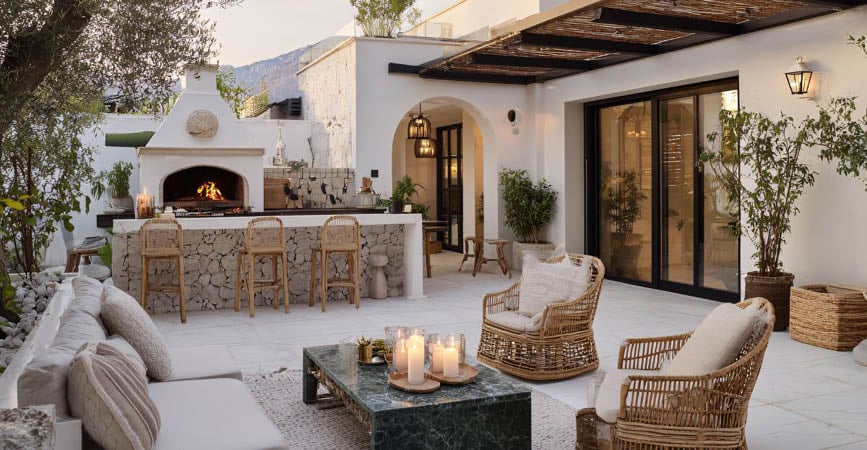
We’re talking hardscaping things like patios, walkways, gravel paths, or decorative rocks. These can break up your yard visually while reducing the total area you need to water.
Ideas to try:
  • A gravel firepit seating area.
  • A flagstone path lined with drought-tolerant herbs.
  • A dry creek bed made with river rocks and succulents.

Hardscaping doesn’t have to feel cold or boring to mix materials and textures to keep things interesting and cozy.
6. Use Rainwater (Yes, Even in a Drought)
I know it sounds ironic to talk about rainwater in a drought article, but even dry regions get the occasional downpour. Why not put that water to good use?

Rain barrels are simple to set up and can catch water from your roof for future use in your garden. They’re perfect for watering potted plants or garden beds.

Just make sure to keep the lid on tight to avoid mosquitoes unless you want to host a bug rave every weekend.
7. Group Plants with Similar Water Needs
Here’s a sneaky trick to save water and avoid overwatering: put your plants into zones based on how thirsty they are.
Here's what that might look like:
  • High-water zone (if needed): right by your front door or patio, where you want a lush look and can easily water.
  • Medium-water zone: shrubs and perennials that don’t need constant care.
  • Low-water zone: succulents, cacti, and native grasses that basically run on fumes.

This way, you’re not wasting water on desert plants that hate wet feet or stressing out your thirsty ferns by sticking them in the sun with a cactus roommate.
8. Say Hello to Succulents
Succulents are the poster children of drought-tolerant plants and for good reason. They store water in their leaves, they come in about a million shapes and colors, and they’re ridiculously easy to take care of.

You can plant them directly in the ground, stick them in pots, or even make a living wall. Mix and match to get some serious visual drama.
Some stunners to consider:
  • Echeveria — rosette-shaped and picture-perfect.
  • Aloe vera — healing and hardy.
  • Hens-and-chicks — great for rock gardens or container clusters.

They’re especially good if you forget to water for a week or two. Or three. We won’t judge.
9. Design for Shade
Here’s a little secret, the more shaded your yard is, the less water you’ll need. Shade helps reduce evaporation, keeps your soil cool, and protects tender plants from getting scorched.
You can create shade with:
  • Pergolas or trellises covered in drought-tolerant vines like bougainvillea or trumpet vine.
  • Strategically placed trees like mesquite or palo verde (both drought-tolerant!).
  • Shade sails or umbrellas over sitting areas.

Plus, a shady corner just begs for a hammock and a cold drink.
10. Create a Zen-Inspired Rock Garden
Sometimes, the best way to save water is to just stop fighting nature altogether. If your region is super dry, lean into it with a Zen rock garden.

Use gravel, sand, and larger stones to create a peaceful space that’s all about textures and contrast. Toss in some driftwood, a few sculptural plants (like red yucca or blue fescue), and maybe a bench or two, and boom you’ve got a minimalist oasis that barely needs a drop of water.

Bonus: rock gardens are super low-maintenance. No mowing, trimming, or fertilizing. Just raking the gravel once in a while is enough to keep it looking sharp.
Bonus Tips: Extra Water-Saving Hacks
Alright, if you’re still thirsty for more ideas (pun absolutely intended), here are a few extra tricks:
  • Water early or late in the day, this keeps the sun from stealing your moisture.
  • Fix leaks — even a tiny drip adds up fast.
  • Use a broom, not a hose — don’t spray down your driveway!
  • Let your grass go dormant — it’ll bounce back after the dry season.
  • Skip the pressure-washing unless absolutely necessary (except for air duct cleaning utah - those guys have the gear for it).
Final Thoughts
You don’t need to live in a lush rainforest to have a yard that makes your neighbors do a double-take. Drought-resistant landscaping is all about working with your environment, not against it. By choosing the right plants, rethinking your layout, and getting a little creative, you can have a gorgeous, water-smart space that’s easier on the eyes and the wallet.

So whether you’re planning a total yard makeover or just want to swap out a few high-maintenance plants, start with one or two of these ideas. Over time, you’ll create a space that’s not only beautiful but built to thrive no matter what the weather throws at it.
Image by: Freepik

Essential Safety Gear Every DIY Landscaper Should Own

“Guy
Transforming your yard can be satisfying, but it also comes with risks. Flying debris, sharp tools, and harsh chemicals can cause injuries if you’re not prepared. That’s why using the right safety gear every DIY landscaper should own is essential before starting any project. Whether you’re trimming hedges or moving stones, having the proper gear keeps you safe and focused. Here, we’ll cover the must-have equipment to protect yourself while working outdoors efficiently.
Protective Eyewear: Guard Your Vision
Your eyes are constantly at risk when using power tools, trimming bushes, or mowing dry grass—protective eyewear shields against flying debris, dust, and chemical splashes. Whether you're growing your first garden or maintaining a large backyard, your eyes need the same level of care.

So, choose safety glasses with wraparound lenses and UV protection. Anti-fog coatings help during hot days. For high-risk tasks, go with ANSI-certified goggles. Always inspect for cracks before each use. Vision injuries are preventable with the right gear—don't treat eye protection as optional. It's one of the smartest safety steps you can take.
Hearing Protection: Block Out Harmful Noise
Noise from mowers, chainsaws, and trimmers can damage your hearing faster than you think. Even short exposure to loud tools can cause long-term harm. While it’s important to maintain your tools to reduce noise and wear properly, you also need hearing protection. Foam earplugs are easy to use and affordable. Earmuffs offer stronger coverage and comfort during long tasks.

For added safety, try electronic hearing protectors that block harmful sounds while letting you hear conversations. Protecting your ears is simple but crucial. Once hearing is lost, it doesn’t come back—so don’t skip this step in your gear.
“Guy
Gloves are a must part of essential safety gear every DIY landscaper should own
Gloves: Protect Your Hands from Cuts and Irritation
Working with soil, stone, and sharp tools exposes your hands to constant risk. Cuts, splinters, and chemical burns are common without proper protection. That’s why gloves are part of the safety gear every DIY landscaper should own. Leather gloves are great for handling rough materials, while nitrile-coated gloves offer flexibility and grip for delicate tasks.

Use heavy-duty rubber gloves when dealing with fertilizers or sprays. A snug fit prevents blisters and slipping. Wash gloves regularly and replace them when they show signs of wear. Keeping your hands protected lets you work longer, safer, and with better control over your tools.
Heavy Lifting or Moving Established Features
Heavy outdoor tasks demand more than just effort—they require smart safety practices and protective gear. Even experienced DIYers should take extra precautions when handling complex projects like transplanting trees or shifting large planters. These jobs put strain on your back, hands, and feet.

So, wear a supportive back brace to reduce injury risk. Steel-toed boots and thick gloves add extra protection. When relocating your garden, it’s easy to overlook the strain that comes with moving soil, pots, or fencing. Use wheelbarrows, lifting straps, and solid footwear to stay safe and avoid injury while handling heavier outdoor elements.
Footwear: Keep Your Feet Safe and Supported
Your feet take the brunt of every outdoor project. Sharp tools, uneven ground, and heavy items pose constant threats. That’s why sturdy footwear is essential. Choose steel-toe boots to protect against dropped tools or stones. Look for pairs with slip-resistant soles to avoid falls on wet grass or loose dirt.

Waterproof materials keep your feet dry during irrigation work or muddy tasks. High-ankle designs offer extra support and prevent sprains. Good shoes don’t just prevent injury—they improve your balance and stability while working, especially during long or physically demanding DIY yard projects.
Respiratory Protection: Avoid Breathing in Dust or Chemicals
Breathing in dust, pollen, or chemical fumes can irritate your lungs and lead to long-term health problems. Wearing the right mask prevents these risks. Use a dust mask for light tasks or an N95 respirator for more serious exposure. Proper fit is key for full protection.

Many people use fertilizers or sprays to grow a strong and healthy garden, but don’t realize the respiratory danger involved. Change filters as needed and store masks in a clean, dry place. Protecting your lungs is just as important as guarding your eyes or hands.
“Guy
While maintaining your yard, you’ll use different types of chemicals and tools, so stay safe
Long Sleeves and Pants: Shield Your Skin
Wearing long sleeves and pants helps protect your skin from sunburn, scratches, and insect bites. This simple clothing choice blocks thorny bushes, sharp grass, and chemical sprays. Lightweight, breathable fabrics keep you cool while offering full coverage. For added protection, choose UV-rated clothing that reflects harmful rays.

Quick-dry materials make washing and reuse easy. It’s a smart way to stay comfortable and safe during yard work. Long sleeves and pants are an essential part of the safety gear every DIY landscaper should own to reduce injury and remain focused on the task.
High-Visibility Clothing: Stay Seen in Busy Areas
Working near driveways, sidewalks, or roads adds a visibility risk many overlook. High-visibility clothing helps others see you clearly, reducing the chance of accidents. Wear reflective vests or bright-colored shirts when working early in the morning or late in the day. Lightweight and breathable options are available for warm weather. Choose gear with reflective strips for added safety.

Even in your yard, drivers or neighbors may not spot you easily. Staying visible is a simple way to prevent accidents while working near moving vehicles or in low-light outdoor conditions.
First Aid Kit: Always Be Ready for Small Accidents
Accidents can happen quickly—even during simple tasks. Having a first aid kit nearby helps you treat cuts, scrapes, or insect bites fast. Stock it with bandages, antiseptic wipes, tweezers, and pain relievers. Include allergy medicine and bite cream if you’re working around plants or bugs.

Use a waterproof container to keep everything clean and dry. Check the kit regularly and replace used or expired items. A well-prepared first aid kit is a must for any outdoor project, giving you peace of mind while handling sharp tools, rough materials, or chemical products
Gear Up Before You Dig In
No matter the project size, preparation keeps you safe and productive. Investing in safety gear every DIY landscaper should own helps prevent accidents and reduce strain. From gloves to goggles, each item plays a role. Don’t wait for an injury to happen before you dig, cut, or lift. Your safety is the first step to a successful day outdoors.
Image Credits
Couple Gardening by Greta Hoffman
Plants in Pots by Huy Phan
Plant Being Held by Gloves Kaboompics.com

How to Choose the Best Tiles for High-Traffic Outdoor Spaces

“Outdoor Tiles
Quick Snapshot
”It is important to choose tiles with good durability, safety, and style when it comes to high-traffic areas outside. Depending on whether the tiles will be used on a patio, a walkway, or around a pool, it is essential to select tiles that are slip-resistant, waterproof, and low-maintenance, so that their beauty and practicality endure through daily use.”

The design or remodelling of an outdoor space with high foot traffic needs to be critically appraised, and the selection of the right wooden tiles for outdoor plays a key role. Have you ever considered which tiles will not only withstand continual pressure but also enhance the appearance of your patio, walkway, or driveway? Outdoor tiles must be rugged, non-slip, and easy to clean, while also being visually appealing for the space they cover. This guide will help you find the most suitable tiles fitting all these requirements, so that your outdoor spaces remain serviceable, fashionable, and gorgeous this year and forever.
Understanding the Importance of Choosing the Right Tile for High-Traffic Outdoor Areas
Choosing the appropriate tile for high-traffic outdoor areas is a crucial decision, as these areas endure significant wear and tear from heavy foot traffic, vehicles, and other elements of the environment. The proper tile must be durable, because this will ensure that the tile remains intact despite constant use. Tiles should be selected with the intention of consistently facing moisture, dirt, and outdoor conditions without compromising their beauty.

Moreover, these tiles should be well-maintained, as cleaning and maintenance play a crucial role in high-traffic zones. An erroneous selection of tiles may result in regular replacement, high repair costs, and even safety risks, such as slippery floors. In addition to being durable, they require safety features, such as slip-resistant properties, to ensure their safety even when wet. When choosing tiles, opt for those that create a long-lasting, beautiful, and functional outdoor space in a manner that is both practical and safe.
Key Characteristics of Outdoor Tiles for High-Traffic Spaces
When choosing tiles to use on a high-traffic outdoor area, your primary consideration should be features that will guarantee the tiles stand up to continual traffic, without compromising protection and aesthetic appeal. With the following factors in mind, you can make a well-informed decision that will stand the test of time.
Durability
High-traffic outdoor areas require high durability. Porcelain and natural stone materials will be of tremendous strength, which are able to defy abrasion and impact. These products are designed to withstand high pedestrian traffic and adverse weather conditions, allowing the tiles to last for years before requiring frequent replacement.
Slip Resistance
Slip resistance is essential, especially in wet weather, for safety. The exterior tile must either have an anti-slip treatment or a textured surface, which will minimize the risk of slipping during rain or around pools. Such extra protection layers create a safer walking surface for all individuals, thereby reducing accidents and personal injuries.
Weather Resistance
The tiles used in high-traffic areas must be able to withstand all the elements. Choose the material with extreme temperature resistance (porcelain or stone tiles that are temperature-resistant to frost). They are tolerant of extreme cold, dense heat, and rain, and leave your outside space intact throughout the year.
Low Maintenance
Outdoor tiles with heavy use should be simple to wash and maintain, reducing the need for cleaning and maintenance work. Select stain-proof tiles or tiles that do not require regular resealing. Outdoor maintenance tiles can give the area a clean look, and they do not need a lot of additional maintenance, which is both time- and labour-efficient.
Porcelain Tiles: Your Best Bet on Durability and Beauty
One of the best choices for heavy-traffic outdoor areas is porcelain tile. Porcelain tiles are made from denser clay that has been fired at higher temperatures compared to ordinary ceramic tiles, making them extraordinarily hard and immune to moisture and temperature variations. They can withstand a lot of pressure, making them ideal for use on walkways, patios, and even driveways where a lot of walking is involved.
Why Choose Porcelain Tiles for Outdoor Areas?
Great scratch and chip resistance
Porcelain tiles are exceptionally durable and resistant to scratches and chips. They do not easily wear down, and their hard surface withstands high-traffic areas for extended periods; therefore, they are a great choice for areas where wear and tear may be a main concern due to foot traffic or heavy furniture movement.
Water-resistant
The low water absorption rate of porcelain tiles makes them the best choice for locations that receive moisture. It could be a poolside patio or a muddy pathway, but porcelain tiles do not absorb any water, keeping out problems such as stains, cracks, or mold growth.
Versatile designs
There is so much variety in the style, color, and finishes of porcelain tiles, and they offer versatility in design. Whether it’s the natural stone feel, dramatic contemporary designs, or traditional finishes, porcelain tiles can add beauty to any outside walls.
However, remember to choose a porcelain tile with a textured surface to make sure it is not slippery. One reason is that smooth porcelain becomes very slippery when wet.
Natural Stone Tiles: Unwavering Functionality and Timeless Beauty
Granite, slate, and travertine are natural stone tiles known for both their timeless beauty and exceptional strength in high-traffic outdoor areas. The tiles are considered perfect for use in patios, walkways, and driveways, and they are prone to heavy usage because of their unique beauty and durability. Their lasting capabilities, coupled with their aesthetic appeal, make them irresistible, although they are quite pricey compared to some alternatives.
Why Choose Natural Stone Tiles?
Aesthetic appeal
Natural stones are all unique, and each of them presents a distinct appearance that other materials cannot replicate. The organic, premium elements provided by the natural veins and textures of granite and slate stones help enhance the appearance of any outside area by adding a sense of exclusivity to the landscape.
Longevity
Natural stone tiles are also considered durable and can last for decades, as long as they are properly maintained. They are also a long-term investment in high-traffic areas, with high resistance to wear, weathering, and fading, and, therefore, the necessity to use such products quite often is minimal.
Heat resistance
Granite stones and travertine are naturally heat-sensitive, making them ideal for sunlit outdoor areas, like patios and exterior kitchens. These tiles are very stable and supportive in their structure, and they are cool to walk on even during hot temperatures.

Yet, there needs to be a suitable sealing of natural stone tiles to prevent them from being stained or to protect the tiles against moisture intrusion. It is part of the maintenance that ensures their long life when they are placed in heavily exposed spaces outdoors.
Ceramic Tiles: Affordable and Stylish Option for Outdoor Spaces
Ceramic tiles are an affordable and low-maintenance option for covering high-traffic outdoor areas and offer a wide variety of designs. Ceramic tiles are not as durable as porcelain or natural stone. However, they can still provide excellent outdoor performance when chosen properly, which is why this option has become a favorable and affordable choice.
Why Choose Ceramic Tiles for High-Traffic Outdoor Spaces?
Cost-effective
Porcelain tiles and natural stone are generally more costly than ceramic tiles, making them a more expensive alternative when homeowners require fashionable outdoor establishments. Nevertheless, ceramic tiles are impressive performers, given careful selection, in both terms of durability and style flexibility.
Clean and easy to maintain
Ceramic tiles are very easy to clean, and maintaining them is a relatively straightforward task. Being smooth and non-porous, they are dirt and stain-resistant, and thus can be used in areas that are highly trafficked, such as patios or walkways, where quick cleaning is necessary to maintain their unblemished appearance.
Diversity of designs
Ceramic tiles are available in a broad variety of aesthetic choices, including multicolored tiles and elaborate patterns that can complement any outdoor design. This color range will allow homeowners to coordinate their ceramic tiles with the rest of their area, and there are unlimited possibilities for designing outdoor spaces stylishly.
Concrete Tiles: A Durable and Flexible Method of Decorating the Outdoors
Concrete tiles offer durability and flexibility, making them ideal for high-traffic outdoor locations. Known and appreciated for their toughness and solidity, combined with numerous design possibilities, concrete tiles are considered a middle ground between functionality and visual appeal, which makes them an excellent alternative for use in areas that are regularly used and exposed to weather.
What are the Reasons to Install Concrete Tiles in High-Traffic Outdoor Areas?
Durability
Concrete tiles are very long-lasting and wear-resistant. They work quite effectively in the rush of traffic and extreme weather conditions, including rain and heat. When well-sealed and taken care of, concrete tiles are durable both structurally and aesthetically, even in the harshest conditions.
Customizable designs
Concrete tiles are highly customizable, offering an outstanding level of versatility, which makes them a good option for outdoor spaces that need a customized look. They can be manufactured in different colors, textures, and even finishes, thus permitting homeowners to create a personal and individualized outdoor space that matches their style.
Cost-effective
Concrete tiles are less expensive than other large-scale outdoor materials such as natural stone or porcelain. They are a great value, and in most cases, they have long-term durability at a lower initial price compared to other fine materials.
The Importance of Tile Size and Layout in High-Traffic Areas
The dimensions and pattern of outdoor tiles can have a considerable influence on the functionality and appearance of high-traffic zones. In tile selection, it is important to consider the space’s purpose, the foot traffic it will experience, and the overall design. A balance of aesthetics and functionality yields a long-lasting and visually appealing outcome.
Large Tiles
Using large tiles can create an open and seamless appearance, making the space larger and generous. They are less demanding to clean since they have fewer grout lines. This is particularly useful in high-traffic areas. They can, however, not be as slip-resistant as smaller tiles; therefore, use large, textured tiles to ensure safety.
Smaller Tiles
Small tiles, such as mosaics, offer a variety of details and exclusive designs that can enhance and enrich the aesthetic appeal of an exterior area. They provide increased traction and, hence, are safer to use in regions that receive water. However, they have more grout lines, which may trap dirt and may need more time to clean.

Large and small tiles should be chosen according to the layout, traffic, and the design. An aesthetically and functionally balanced strike can make your project most suitable and fit, both time-tested and satisfying in style.
Choosing Tiles with Slip Resistance for Safety
In areas involved in high foot traffic, such as outdoor spaces prone to wet conditions, safety is an essential consideration when choosing tiles. Slippery tile has a lot of dangers, and as a damp tile, it can become extremely slippery in a short period. As a workaround, focus on selecting highly slip-resistant tiles, which can be identified by inspecting their coefficient of friction (COF) value, an indicator of the tile’s resistance to slipping. For outdoor areas, make sure to use a tile with a COF of 0.60 or above.
Textured Tiles
Textured tiles are a practical choice for slip resistance. The texture itself creates friction on the surface, helping to prevent slips during wet weather. Texture tiles have greater traction, and they are especially helpful in outdoor locations, like pool decks and patios, as well as walkways, whether made of stone or porcelain.
Anti-Slip Coatings
Specific anti-slip coatings are applied to certain tiles to enhance the traction. There are some coatings applied to the surface area that offer extra grip, even during rain or near demure pools. They need to ensure that it is strong and long-lasting, as it can be easily lost due to exposure to moisture.
Matte Finishes
Tiles with a matte finish are less slippery than those with a glossy finish and are therefore suitable for areas with moderate traffic, such as outdoor spaces. They have a non-reflective surface, which limits the possibility of slipping, and provide a good grip in wet conditions. Matte tiles are an ideal choice for a workplace, like an outdoor kitchen or a garden pathway.

Tiles used on high-moisture surfaces, such as around pools or patios, should have adequate slip-resistant features to ensure safety. Such measures ensure safety and also optimize the overall outdoor view.
The Maintenance of High-Traffic Outdoor Tiles
Although choosing durable tiles for high-traffic areas, such as outdoor spaces, is essential, effective treatment and maintenance are crucial to maintaining their appearance and long life. Proper maintenance would help them avoid dirt, moisture, and daily wear and tear, which will keep your tiles continuing to perform well over time and remain visually appealing.
Clean Regularly
Outdoor tiles should be cleaned regularly to preserve their appearance and minimize the possibility of scratches or stains caused by dirt and debris. To eliminate dust and debris, sweep the surface regularly. To get an intensive clean, simply use a bit of detergent (diluted in water) to clean the tiles gently but still maintain their freshness.
Seal Tiles
Certain porcelain tiles and natural stone tiles should be sealed to protect against moisture, stains, and dirt. Sealing also aids in establishing a protective layer, which prevents the absorption of water and, in the long run, causes upheaval. Ensure that you seal according to the manufacturer’s directions to provide the best possible protection in terms of frequency.
Inspect Damage
Check your tiles periodically to see if there are any cracks, chips, or loose edges, especially in high-traffic areas. Cracks and pits can be repaired at an early stage, thereby avoiding further damage to the surface and making it smooth and safe. By addressing the problems at an early stage, the durability of your tiles will be prolonged, allowing you to use them for a longer period.

Regular cleaning, sealing, and checking of tiles, especially outdoor tiles, helps them last longer. Even with high traffic, they manage to stay in top shape by internalizing the full-time use.
Closing Up: Making the Right Choice for Your High-Traffic Outdoor Space
Choosing the right tiles for high-traffic outdoor areas is crucial for ensuring both long-lasting beauty and functionality, as well as safety. Once you choose a long-lasting porcelain, exquisite natural stone, or affordable ceramic tiles, remember to emphasize their slip-resistant character, resistance to weathering, as well as carefree maintenance. With the right choice, your outdoor space can stand up to daily wear while enhancing your home’s aesthetic. Ready to transform your outdoor area? Take a look at what kind of tiles are available and find the one that fits perfectly to create a space where style, strength, and safety come together.

The Best Low-Maintenance Grass Types for Busy Homeowners

“Guy
Let’s be real, if you’re like most homeowners, you want your yard to look great, but you don’t want to spend every weekend babysitting your lawn. Between work, errands, family time, and maybe even a little “me time,” who’s got hours to mow, water, weed, and reseed?
If that sounds like you, then you’re in the right place. I’ve got the scoop on the best low-maintenance grass types that’ll keep your yard looking green and gorgeous without eating up your free time. We're talking less mowing, less watering, and less stressing because your lawn should work for you, not the other way around.
Let’s dive in.
Why Low-Maintenance Grass Matters
You might be wondering, “Is there really a difference between one type of grass and another?” Oh yes, friend. It’s like comparing a cactus to a rose bush. Both have their charm, but one is clearly easier to deal with.
Low-maintenance grasses grow slower, need less water, and are more resistant to pests and disease. That means you spend less time behind a lawnmower or dragging a hose around the yard. It also means less money spent on fertilizers, herbicides, and yard guys.
So if you want a lawn that doesn’t suck the life out of your weekends, you’ll want to keep reading.
1. Bermudagrass – The Sun-Loving Champ
Best for Southern and warm climates
Bermudagrass is the golden child of hot weather lawns. It’s tough, fast-spreading, and thrives in the sunniest parts of your yard. This grass is a favorite for golf courses and sports fields so you know it can handle foot traffic like a champ.
Why it’s low-maintenance:
  • Super drought-resistant
  • Grows thick and crowd-outs weeds naturally
  • Once established, it doesn’t need a lot of pampering
Heads-up: It does go dormant and turns brown in the winter. But hey, it always comes back strong when it warms up again.
2. Zoysiagrass – The Ultimate Chill Lawn
Best for: Warm climates (but can handle a bit of cold too)
Zoysia is like that laid-back friend who just gets you. It’s not demanding, and it doesn’t freak out with a little neglect. It grows slowly (which means less mowing), and it forms a super dense turf that keeps weeds out and barefoot feet happy.
Why it’s low-maintenance:
  • Slow growth = fewer trims
  • Drought-tolerant
  • Handles foot traffic and recovers well
One catch: It takes a while to get going. Once it’s established, though, it’s one of the easiest grasses to live with.
3. Tall Fescue – The Cool-Weather Warrior
Best for: Cooler climates (like the Northern U.S.)
Tall fescue is the MVP for homeowners in chillier regions. It’s got deep roots, which makes it great at sucking up water and that means less irrigation on your end. It also stays green longer into fall and even tolerates some shade.
Why it’s low-maintenance:
  • Grows well in poor soil
  • Drought-tolerant
  • Fewer diseases and pests to worry about
Tall fescue does grow fast, so you might have to mow it more often than Zoysia or Bermuda. But overall, it’s a super forgiving grass.
4. Buffalograss – The Native Tough Guy
Best for: Midwest and dry climates
Buffalograss is native to the prairies of North America, which means it's literally built for survival. It doesn’t need a lot of water or mowing, and it’ll hold its own even when the sun’s beating down and the rain is MIA.
Why it’s low-maintenance:
  • Needs very little water once it’s settled in
  • Rarely needs mowing (like 4–6 times a year!)
  • Doesn’t demand fertilizers
Downsides? It doesn’t love heavy foot traffic. So if your yard doubles as a football field for the neighborhood kids, you might want something hardier.
5. Centipedegrass – The "Plant and Forget It" Option
Best for: Southeast U.S., acidic soil areas
Centipedegrass is sometimes called the “lazy man’s grass” and that’s not an insult. This grass is perfect if you don’t want to do much of anything. It spreads slowly, so you won’t need to mow a lot. It also requires little to no fertilization.
Why it’s low-maintenance:
  • Doesn’t grow fast (so yay, less mowing!)
  • Low fertilization needs
  • Doesn’t get many pests or diseases
It’s not super wear-resistant, though, so maybe skip this one if you’ve got a lot of backyard barbecues or soccer games.
6. Fine Fescue – The Shade-Lover’s Best Friend
Best for: Shaded or cool areas
If your yard is full of trees or shady corners, fine fescue might be your new best bud. It thrives in low light and doesn’t need much help from you to stay healthy.
Why it’s low-maintenance:
  • Requires little water
  • Rarely needs fertilizer
  • Grows slowly and doesn’t mind neglect
The blades are super thin and soft, too kind of like grass with spa vibes. It might not handle a ton of activity, but for quiet lawns, it’s a dream.
Quick Comparison Chart
Grass Type Best Climate Water Needs Mowing Frequency Foot Traffic Tolerance
Bermudagrass Hot/Sunny South Low Medium High
Zoysiagrass Warm + Mild Cold Low Low Medium-High
Tall Fescue Cool North Low-Medium Medium High
Buffalograss Dry Midwest Very Low Very Low Low-Medium
Centipedegra Southeast Low Very Low Low
Fine Rescue Cool/Shady Very Low Very Low Low
Tips to Make Any Grass Lower Maintenance
Okay, so choosing the right grass type is the biggest step. But you can also make things easier by managing your lawn smartly. Here’s how:
1. Mow Higher
Keep your mower blade set higher (around 3 inches). Taller grass shades out weeds, holds moisture better, and grows stronger roots. That means less work for you.
2. Water Deep, Not Often
Instead of sprinkling daily, give your grass a deep soak once or twice a week. It trains the roots to grow deeper and handle drought better.
3. Leave Clippings
Don’t bag those clippings, let them fall back into the lawn. They act like free fertilizer. Win-win.
4. Don’t Over-Fertilize
More fertilizer doesn’t mean a better lawn. In fact, it just makes the grass grow faster (which means more mowing). Use slow-release fertilizers and apply sparingly.
Artificial Turf: Should You Go Fake?
If you’re really over the whole mowing-watering-weeding situation, there’s always artificial turf. It’s come a long way since the shiny green plastic stuff of the '90s.
Today’s synthetic grasses can look pretty darn real, and they’re completely maintenance-free (other than an occasional rinse or sweep). The big trade-off? Cost. It’s expensive upfront, but you’ll save a lot over time no mower, no water bill, no Sunday sweat.
Oh, and it’s allergy-friendly, too. Just sayin’.
What About Lawn Alternatives?
Not into grass at all? You’re not alone. More homeowners are swapping traditional lawns for eco-yards with ground covers, gravel paths, native plants, and even clover or moss.
Here are a few alternatives that require almost no work:
  • Creeping thyme: Smells amazing, handles foot traffic, and flowers in the summer.
  • Clover: Stays green, never needs fertilizer, and bees love it.
  • Moss: For shaded, damp areas it’s lush and peaceful.
One Random But Real Tip
Speaking of low maintenance, don’t forget about what’s under your home too. If you ever notice musty smells or allergies that won’t quit, your air system might be part of the problem. It’s a good idea to look into air duct cleaning Heber City or your local area, especially if you’ve recently done yard work or live somewhere dusty. Clean air, clean lawn, happy life.
Final Thoughts: Pick the Grass That Fits You
At the end of the day, the “best” grass is the one that suits your lifestyle, your region, and your energy levels. There’s no shame in choosing something low-effort; it doesn't make your lawn any less beautiful.
Whether you go for the tough Zoysia, the breezy Buffalograss, or even jump into the world of clover lawns or turf, the goal is to have a yard you actually enjoy without needing a full-time landscaping crew.
So grab your lemonade, kick back in that lawn chair, and let your low-maintenance lawn do its thing.

2015 © ProParts Direct. All Rights Reserved. Privacy Policy | Site Map Design & Development by The Scribbit The Scribbit - Marketing, Graphic Design and Web Development