ProParts Direct

Beneath the Surface: How Soil and Site Conditions Impact Lawn Care Equipment and Hardscape Projects

“Soil Breakdown
30 seconds summary
  • “Beneath the Surface: How Soil and Site Conditions Impact Lawn Care Equipment and Hardscape Projects” highlights how soil type, drainage, slope, compaction, and moisture drive the success (or failure) of lawn care and hardscape work.
  • It explains how clay, sand, and loam affect mowing, aeration, irrigation, and foundation stability, often requiring different equipment, base designs, and drainage solutions.
  • It also introduces Seismic Data Processing & Imaging Services as a way to “see” subsurface conditions (layering, weak zones, depth to firm ground) so professionals can make smarter equipment choices, plan drainage correctly, and build hardscapes that stay stable over time.
Introduction
When it comes to lawn care equipment and hardscape projects, many homeowners, landscapers, and contractors focus on surface-level considerations such as aesthetics, design, or functionality. However, what lies beneath the surface, soil composition, site conditions, and the specific characteristics of a given landscape can have profound effects on the success of both lawn care and hardscaping endeavors. A deeper understanding of how soil and site conditions influence these projects can help in selecting the right tools, materials, and methods, ensuring longevity, efficiency, and optimal results.
The Role of Soil in Lawn Care Equipment
Lawn care equipment is designed to address specific tasks such as mowing, aerating, fertilizing, and irrigating. While these tools are crucial for maintaining a healthy lawn, their effectiveness can be significantly influenced by the underlying soil conditions. Below are some ways soil type and quality can impact the performance of lawn care equipment.
1. Soil Type and Mowing Equipment
Mowing equipment, especially lawnmowers, is commonly used in landscape maintenance to keep grass at a desirable height. However, different soil types can affect the ease and precision of mowing. For example, a lawn with compacted or heavy clay soil might result in uneven grass growth due to poor drainage. When grass grows unevenly, mowers might struggle to achieve a consistent cut.

  • Clay soils: These tend to retain moisture, and the ground can be soft or muddy, causing mower wheels to sink or leave ruts. Additionally, thick, heavy grass growth in clay soil can strain mower engines.
  • Sandy soils: Sandy soil drains quickly, which may result in dry, patchy grass growth. The mower’s blades may struggle with uneven coverage and may require frequent adjustments to maintain evenness.
To optimize mowing in varying soil conditions, it is important to use mowers with adjustable heights, efficient grass collection systems, and durable wheels designed to handle uneven terrain.
2. Aerating Equipment and Soil Compaction
Aerators are vital tools for improving lawn health by relieving soil compaction, allowing air, water, and nutrients to penetrate deeper into the root zone. Soil compaction often results from foot traffic, heavy machinery, or consistent use of lawn equipment.

  • Heavy clay soils: More prone to compaction, making aeration critical. Lawns with heavy clay often require more frequent aeration using core or spike aerators. Lightweight aerators may not effectively break up dense surface layers.
  • Sandy soils: Less prone to compaction, but still benefit from aeration under heavy foot traffic or repeated irrigation helping reduce runoff and maintain turf health.
3. Fertilizing and Irrigation Systems
Soil type influences how fertilizers and irrigation systems work. Clay-rich soils may retain water and nutrients longer, requiring less frequent watering and more controlled fertilizing. Sandy soils drain quickly, leading to faster nutrient loss and requiring more frequent watering and fertilization.

  • Fertilizing: Clay often benefits from slow-release approaches; sandy soils often need smaller, more frequent applications.
  • Irrigation: Poorly drained soils need careful scheduling to avoid waterlogging; sandy soils often need a more robust system to compensate for quick drainage.
Seismic Data Processing & Imaging Services: Seeing What’s Beneath the Surface
Even experienced crews can be surprised by what’s underground: variable fill, soft pockets, shallow bedrock, old construction debris, or layered soils that behave differently when wet. Seismic Data Processing & Imaging Services help reduce uncertainty by turning subsurface vibration measurements into interpretable “images” and profiles of what’s below grade.
What it helps identify (practically)
Depending on the method and site, seismic imaging can help characterize:

  • Layering and depth to more competent material (e.g., firm native soil or bedrock)
  • Soft/loose zones that may settle under patios, slabs, or retaining walls
  • Variations in compaction across a site (useful where fill is suspected)
  • Moisture-influenced weakness patterns (areas that behave like “sponges” after irrigation/rain)
  • Slope or wall risk factors by highlighting weaker strata that may contribute to movement
Why it matters for lawn care and hardscapes
  • Better equipment decisions: If the subsurface is consistently soft or holds water, you may prioritize lighter equipment, wider tires, track systems, or adjusted maintenance timing to avoid rutting and compaction.
  • Smarter base design: For patios, walkways, and driveways, seismic insights can guide how aggressively you excavate and rebuild the base, where you need geogrid stabilization, and how thick the aggregate layer should be.
  • Drainage planning that matches reality: Instead of guessing where water “should” go, subsurface mapping helps align grading and drainage features with how water and soil layers actually behave.
  • Fewer callbacks and repairs: Hardscape failures (settling, cracking, heaving) often start with unseen conditions. Imaging helps catch them early—before installation.
Typical service flow (high level)
  1. Data acquisition (field measurements)
  2. Seismic data processing (noise reduction, filtering, velocity analysis)
  3. Imaging/inversion deliverables (subsurface profiles/maps)
  4. Actionable recommendations tied to construction and equipment choices
This fits especially well for projects with a history of settling, uncertain fill, mixed soils, drainage complaints, or higher-stakes structures like retaining walls and driveways.
Hardscape Projects: The Influence of Soil and Site Conditions
Hardscape projects, including patios, walkways, retaining walls, and driveways, require significant planning and consideration of the soil and site conditions to ensure structural integrity and aesthetic appeal.
1. Soil Conditions and Foundation Stability
The foundation is one of the most important aspects of any hardscape project. The soil conditions directly beneath the surface determine how stable the foundation will be and whether the hardscape will settle or shift over time.

  • Clay soils: Expand/contract with moisture changes, causing shifting and settling. Prevent issues with proper compaction, reinforcement, and well-built base layers (often gravel and stabilization techniques).
  • Sandy soils: Drain well, but can lack cohesion and erode. Proper compaction and a well-structured base layer are essential to prevent shifting.
  • Loam soils: Generally ideal balanced drainage and stability, often providing a strong base for many installations.
2. Drainage and Hardscape Design
Proper drainage is crucial. Poor drainage can lead to erosion, pooling water, and long-term damage.

  • Clay/compacted soils: Retain moisture, increasing the risk of standing water—often requiring grading, drains, or permeable solutions.
  • Sandy soils: Drain quickly but can erode—may require stabilization measures to control runoff.
3. Selecting Hardscape Materials for Soil Conditions
Material selection should match soil behavior.

  • Concrete: Durable but vulnerable to cracking if soils shift; reinforcement and joints become more important on expansive soils.
  • Pavers and natural stone: More flexible; often better for soils prone to movement.
  • Gravel and loose materials: Great for infiltration and drainage support, but may need edging/stabilization to prevent migration.
4. Retaining Walls and Soil Pressure
Soil type behind the wall affects pressure and drainage needs.

  • Clay soils: Higher pressure and moisture retention walls need strong reinforcement and reliable drainage behind the structure.
  • Sandy soils: Can still exert pressure and wash out; the design must manage runoff and prevent erosion behind the wall.
Conclusion
Soil and site conditions are not secondary considerations in lawn care and hardscape projects—they are the foundation of success. Whether selecting the right equipment for mowing, aerating, or irrigating, or choosing the right materials and base design for patios, retaining walls, and driveways, understanding the subsurface is key to long-lasting performance.

By combining practical site awareness (soil type, drainage, compaction, slope, moisture) with tools like Seismic Data Processing & Imaging Services, homeowners and contractors can reduce guesswork, prevent costly failures, and build landscapes that remain stable, functional, and attractive for years to come.

Best Tiles for Outdoor Landscaping Projects

“Natural
30 seconds summary
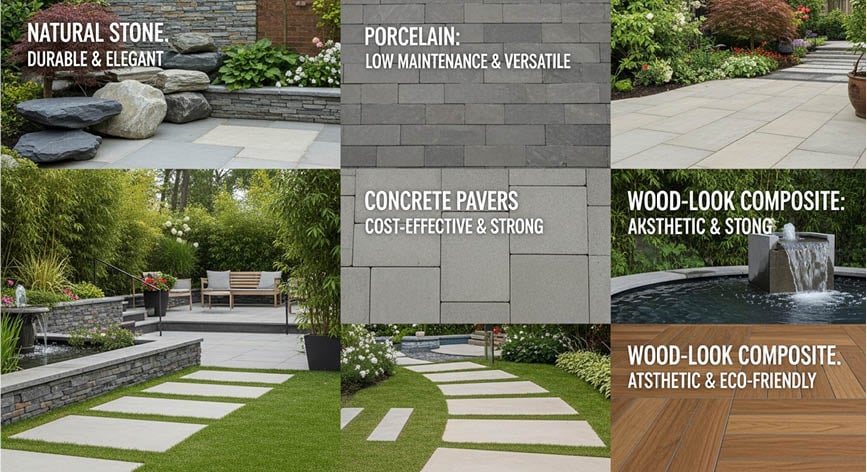
  • When selecting tiles for outdoor landscaping projects, it's essential to choose materials that are durable, weather-resistant, and offer a non-slip surface. Porcelain tiles are a top choice for their strength, water resistance, and low maintenance, making them ideal for patios, walkways, and pool areas.
  • Natural stone tiles, such as slate, granite, and travertine, provide an elegant, rustic look and are highly durable but often require sealing to maintain their longevity. Ceramic tiles are a more affordable option and come in various designs, though they also need sealing to withstand outdoor conditions.
  • Concrete tiles are a versatile and durable choice, customizable in color and texture, while terracotta tiles offer a warm, rustic feel but require proper sealing to resist moisture. Ultimately, the best tile depends on the desired aesthetic, climate, and functionality of the space, with a focus on slip resistance for safety.
Introduction
Outdoor landscaping is a critical aspect of creating beautiful and functional outdoor spaces. From patios and walkways to pool surrounds and garden pathways, the materials chosen can significantly impact the overall aesthetic and durability of your landscape design. When considering tiles for landscaping, it is important to focus on factors such as weather resistance, slip resistance, and the aesthetic appeal of the materials. In this guide, we’ll explore various types of tiles, with a particular emphasis on subway tiles as an option for outdoor landscaping projects.
Table of Contents
  1. Introduction to Outdoor Landscaping Tiles
  2. Factors to Consider When Choosing Tiles for Outdoor Landscaping
    • Durability and Weather Resistance
    • Slip Resistance
    • Aesthetic Appeal
    • Maintenance
  3. Types of Tiles for Outdoor Landscaping
    • Natural Stone Tiles
    • Ceramic and Porcelain Tiles
    • Concrete Tiles
    • Glass Tiles
    • Terracotta Tiles
  4. Subway Tiles in Outdoor Landscaping Projects
    • What Are Subway Tiles?
    • Advantages of Using Subway Tiles Outdoors
    • Design Ideas for Using Subway Tiles Outdoors
    • Subway Tiles in Specific Landscaping Features
    • Practical Considerations for Using Subway Tiles Outdoors
  5. Alternative Tiles for Outdoor Landscaping
    • Natural Stone Alternatives: Slate and Granite
    • Porcelain Alternatives: Outdoor Ceramic Tiles
  6. Tips for Installing Tiles in Outdoor Landscaping
  7. Maintaining Outdoor Tiles
  8. Conclusion
Introduction to Outdoor Landscaping Tiles
Tiles are a versatile and durable material that has been used in both indoor and outdoor settings for centuries. In outdoor landscaping, tiles can elevate the design of various spaces such as patios, garden pathways, driveways, pool areas, and outdoor kitchens. They can create a cohesive and aesthetically pleasing environment, offering both beauty and functionality. The use of tiles outdoors requires materials that can withstand different weather conditions, resist wear and tear, and maintain their appearance over time.
When designing an outdoor area, choosing the right tiles involves understanding the environmental factors that the tiles will be exposed to. Factors like rainfall, freezing temperatures, humidity, and direct sunlight all impact the choice of tile. Additionally, considerations like foot traffic, outdoor furniture, and potential exposure to pool chemicals or barbecue smoke may dictate the need for specific tile materials.
Factors to Consider When Choosing Tiles for Outdoor Landscaping
When selecting tiles for outdoor landscaping projects, it's essential to consider several key factors that will affect the performance and look of the tiles over time.
Durability and Weather Resistance
Tiles used outdoors should be durable enough to withstand harsh weather conditions. Whether it's heavy rain, high temperatures, or freezing winters, the tiles need to remain intact and perform well. Materials like porcelain, stone, and concrete are popular because of their excellent durability.
Slip Resistance
Outdoor areas can become slippery, particularly in wet conditions. Therefore, choosing tiles with a slip-resistant surface is crucial for safety. Textured finishes, unglazed tiles, or tiles with non-slip coatings are ideal choices for outdoor spaces such as pool areas, pathways, and patios.
Aesthetic Appeal
The appearance of the tiles plays a significant role in the overall design of the outdoor space. Whether you prefer a modern look or a rustic feel, there is a wide variety of colors, shapes, sizes, and finishes available. Subway tiles, for example, bring a sleek and classic look that works well in many design styles.
Maintenance
Outdoor tiles are subject to dirt, grime, and stains. It's important to choose tiles that are easy to clean and maintain. Porcelain tiles are often low-maintenance because of their non-porous surface. Stone tiles may require sealing to protect them from moisture and stains.
Types of Tiles for Outdoor Landscaping
Different types of tiles are available for outdoor landscaping, each offering distinct benefits and characteristics. Let’s explore the most common types of outdoor tiles.
Natural Stone Tiles
Natural stone tiles such as granite, slate, limestone, and travertine are highly durable and perfect for outdoor use. These materials offer a timeless and natural look that blends seamlessly with outdoor environments. Stone tiles are often used for garden paths, patios, and pool surrounds. However, they may require sealing to protect them from moisture and staining.
Ceramic and Porcelain Tiles
Ceramic and porcelain tiles are popular options for both indoor and outdoor spaces. Porcelain tiles, in particular, are known for their durability and resistance to water, making them ideal for areas exposed to rain or humidity. These tiles come in a wide range of colors, patterns, and finishes. Subway tiles, which are often made from ceramic or porcelain, are an excellent option for outdoor spaces, especially when you want to achieve a clean, classic look.
Concrete Tiles
Concrete tiles are durable and offer an industrial, modern aesthetic. They are perfect for larger outdoor spaces, such as patios and driveways, and can be customized with different colors and textures. Concrete tiles are highly resistant to wear and can withstand heavy foot traffic and extreme weather conditions.
Glass Tiles
Glass tiles can add a touch of elegance and color to outdoor spaces. They are commonly used for creating accent walls or as part of intricate mosaic designs. While glass tiles are beautiful and reflective, they can be slippery when wet, making them less suitable for areas like pool decks.
Terracotta Tiles
Terracotta tiles are made from clay and offer a rustic, earthy appeal. They are typically used for Mediterranean-inspired landscapes or in areas where a warm, natural look is desired. However, terracotta tiles can be porous and may need to be sealed to prevent moisture damage.
Subway Tiles in Outdoor Landscaping Projects
Subway tiles are most commonly associated with indoor applications, particularly in kitchens and bathrooms. However, these simple, rectangular tiles are making their way into outdoor landscaping projects, thanks to their versatility, durability, and classic appeal.
What Are Subway Tiles?
Subway tiles are typically 3x6-inch rectangular tiles that were originally used in New York City subway stations in the early 20th century. They are known for their clean, minimalist design and are often used in a grid pattern with a slight grout line. Traditionally, subway tiles were made from ceramic, but today they are also available in porcelain, glass, and stone materials, making them a viable option for outdoor applications.
Advantages of Using Subway Tiles Outdoors
  1. Timeless Design: Subway tiles have a classic look that never goes out of style. Whether used in a traditional or contemporary setting, their clean lines and simple shapes add a sense of sophistication to any outdoor space.
  2. Variety of Materials: Subway tiles come in various materials, including porcelain, glass, and stone, giving you the flexibility to choose the one that best suits your outdoor project.
  3. Ease of Maintenance: Porcelain and ceramic subway tiles are easy to clean and maintain, making them a practical choice for outdoor areas prone to dirt and grime. The smooth, non-porous surfaces prevent stains from setting in.
  4. Durability: Subway tiles made from porcelain or stone are highly durable and can withstand the elements, making them suitable for outdoor use in patios, garden paths, and pool areas.
  5. Versatile Design: Subway tiles can be laid in various patterns beyond the classic grid design. You can experiment with diagonal layouts, herringbone patterns, or stacked designs to add visual interest to your outdoor space
Design Ideas for Using Subway Tiles Outdoors
Subway tiles can be used in a variety of outdoor landscaping applications. Here are some design ideas:
  • Patios and Terraces: Use subway tiles to create clean, uniform patterns for patios and terraces. This works particularly well with a minimalist or modern design theme.
  • Walkways and Garden Paths: Subway tiles can add a touch of elegance to garden paths and walkways. A neutral color palette, such as white, grey, or beige, blends seamlessly with outdoor greenery.
  • Pool Areas: Subway tiles can be used around pool decks to create a crisp, neat look. Their non-slip properties (when properly textured or unglazed) make them a safe option for wet areas.
  • Outdoor Kitchens and BBQ Areas: Subway tiles can bring a fresh and clean appearance to outdoor kitchens. Whether used for backsplashes or as part of the flooring, subway tiles complement the functionality of an outdoor kitchen with aesthetic appeal.
Subway Tiles in Specific Landscaping Features
Subway tiles are an excellent option for specific landscaping features such as water fountains, fire pits, or outdoor fireplaces. Their smooth surface and sleek design can help elevate the look of these features, making them stand out in the garden.
Practical Considerations for Using Subway Tiles Outdoors
While subway tiles are a great option for outdoor landscaping, there are a few practical considerations to keep in mind:
  • Temperature Resistance: Make sure to choose subway tiles that can withstand extreme temperatures, particularly in regions with cold winters. Porcelain tiles are ideal for this purpose, as they are freeze-thaw resistant.
  • Slip Resistance: For areas like pool decks, patios, and walkways, ensure that the subway tiles have a slip-resistant finish to prevent accidents in wet conditions.
  • Sealing: If you choose natural stone subway tiles, such as marble or travertine, be sure to seal them regularly to protect against moisture absorption and staining.
Alternative Tiles for Outdoor Landscaping
If subway tiles don't suit your needs or design preferences, there are many alternative tiles for outdoor landscaping. Some options include:
Natural Stone Alternatives: Slate and Granite
Slate and granite tiles are natural stone options that provide a unique, rugged look to outdoor spaces. These materials are incredibly durable and are resistant to harsh weather conditions, making them ideal for high-traffic areas and outdoor paths.
Porcelain Alternatives: Outdoor Ceramic Tiles
Porcelain tiles are a more affordable and versatile alternative to stone tiles. They come in a variety of designs and finishes and are ideal for creating modern outdoor spaces. Porcelain tiles are durable and low-maintenance, making them an excellent choice for outdoor areas exposed to the elements.
Tips for Installing Tiles in Outdoor Landscaping
Proper installation is key to ensuring that your outdoor tiles remain intact and functional for years to come. Some tips include:
  • Use the Right Adhesive: Choose a high-quality outdoor adhesive that is designed to withstand extreme weather conditions.
  • Proper Grouting: Ensure the grout is suitable for outdoor use. It's important to leave space between tiles for expansion and contraction.
  • Ensure a Proper Substrate: Ensure the surface beneath the tiles is stable and level to prevent cracking or shifting over time.
Maintaining Outdoor Tiles
Outdoor tiles require regular maintenance to keep them looking their best. This includes:
  • Cleaning: Regularly clean tiles with mild soap and water. Avoid harsh chemicals that could damage the tile surface.
  • Sealing: For porous tiles, such as natural stone, apply a sealant to protect against moisture and stains.
  • Repairing: If any tiles become cracked or damaged, replace them promptly to prevent further
Conclusion
Tiles are an excellent material for outdoor landscaping projects, offering durability, versatility, and aesthetic appeal. Subway tiles, in particular, bring a timeless design that can be adapted to a variety of outdoor settings. Whether used for patios, walkways, pool areas, or outdoor kitchens, subway tiles can enhance your landscaping project with their clean lines and classic charm. Consider all the factors, such as material, slip resistance, and maintenance, to ensure your outdoor tiles perform well and maintain their beauty for years to come.

The Benefits of Using Michelin X Tweel Tires for Your Landscaping Equipment

“A lawn mower using Michelin X Tweel tires
If you want the best possible equipment, you need to pay attention to every part of it, including tires! So, we should seriously consider the benefits of using Michelin X Tweel tires for landscaping equipment to decide if you need them.
Enhanced durability
Enhanced durability is a cornerstone of using Michelin X Tweel tires. After all, a hallmark of professional lawn care equipment is durability! They are engineered to withstand the rigors of demanding outdoor work. Their robust construction means they can withstand challenging terrains, sharp debris, and heavy loads without sweat. Unlike traditional pneumatic tires vulnerable to punctures, Michelin X Tweel is puncture-proof, ensuring you won't face unexpected downtime due to flats. This durability translates into long-lasting performance, saving you money on replacements and maintenance. So, when you invest in Michelin X Tweel, you're not just getting a tire. You're getting a reliable partner that can handle the toughest tasks, season after season while keeping your landscaping equipment running at its best!
Improved traction
Improved traction is a game-changer with Michelin X Tweel, making them a top choice for landscaping professionals. With these innovative tires, you'll experience superior grip and control, even in challenging terrains or adverse weather conditions. Whether maneuvering through wet, muddy areas or navigating steep slopes, Michelin X Tweel provides reliable traction, ensuring your landscaping equipment stays firmly on course. This enhanced traction boosts productivity and safety by reducing the risk of slips and accidents. When your equipment can maintain a secure grip on the ground, you can work confidently, knowing you're in control!
Reduced downtime
Reduced downtime is a game-changer in the landscaping industry, and Michelin X Tweel plays a pivotal role in achieving this goal. In landscaping, time is money, and any moment of equipment downtime can be costly. That is where Michelin X Tweel shines. They are virtually puncture-proof, so you won't find yourself stopping to fix flats in the middle of a job. Plus, the quick and hassle-free installation process ensures you can swiftly get your equipment back in action. Less downtime means more time for productive work, which can translate into increased profits for your landscaping business. So, this is exactly why the right equipment can make all the difference! By opting for Michelin X Tweel, you're ensuring smoother operations and safeguarding your bottom line!
Increased efficiency
Increased efficiency is a paramount advantage of using Michelin X Tweel tires in your landscaping equipment. These innovative tires elevate your equipment's performance to new heights. With their exceptional traction and stability, you can navigate tough terrains and slopes more easily, saving time and effort. Reduced downtime due to punctures ensures that your equipment stays operational, allowing you to complete tasks without interruptions. Additionally, the smooth and comfortable ride provided by Michelin X Tweel tires translates into less operator fatigue. In turn, this enables your team to work longer and more productively. When you combine these benefits, it's evident that they don't just enhance efficiency. They can revolutionize how you approach landscaping projects!
Lower maintenance costs
Lower maintenance costs are a significant advantage of using Michelin X Tweel tires. These tires require minimal upkeep compared to their traditional counterparts. So, you can say goodbye to the hassles of checking pressure or dealing with frequent flats. Their rugged design ensures they can withstand harsh conditions, reducing the need for replacements and repairs. As a result, you'll see a noticeable decrease in maintenance expenses over time. Plus, the peace of mind with puncture-proof tires means you can focus on the job without interruptions. And you can store them for long periods without fear. So, when the time comes to put it away for the winter, you'll need to worry less about your lawn equipment!
Environmental benefits
Environmental benefits are significant in landscaping, and Michelin X Tweel tires offer a greener alternative. They contribute positively to the environment in several ways. Firstly, they are built to last longer than traditional tires, reducing the need for replacements and disposal. Secondly, their puncture-proof design minimizes the risk of debris on your worksite, preventing pollution caused by debris. Additionally, Michelin has made strides in sustainable manufacturing practices, ensuring the production process has a lower environmental impact. That means you can improve your equipment's performance and reduce your ecological footprint. After all, it's smart to prioritize eco-friendly landscaping tools! So, by choosing Michelin X Tweel, you're making a conscientious choice that aligns with eco-friendly landscaping practices, which is great for your business and the planet.
Compatibility and versatility
Compatibility and versatility are key advantages of Michelin X Tweel tires that cater to a wide range of landscaping equipment and applications. They are designed to fit various types of equipment, including mowers, skid-steer loaders, and utility vehicles, making them a versatile choice for landscaping professionals. Whether you're mowing lawns, clearing snow, or handling construction materials, Michelin X Tweel is up to the task. Their adaptability across different applications streamlines equipment maintenance and simplifies inventory management. This versatility saves you time and lets you get more done with a single set of tires. By choosing Michelin X Tweel, you're investing in a flexible solution that can meet the diverse needs of your landscaping business, enhancing both efficiency and cost-effectiveness across the board!
Cost-effectiveness in the long run
With everything we covered on the benefits of using Michelin X Tweel tires, it should be obvious why they’re the best choice. While the initial cost may be slightly higher than traditional tires, the savings over time are substantial. These tires are engineered for durability, significantly reducing the need for replacements and repairs. Additionally, their puncture-proof design eliminates the downtime and costs associated with flat tires. With Michelin X Tweel, you'll also experience increased efficiency, translating into higher productivity and potentially more revenue. And the reduced maintenance requirements further contribute to long-term savings, as you'll spend less on tire-related upkeep. The higher upfront cost is a small trade-off for the significant advantages of Michelin X Tweel tires to your landscaping business!
Photo Credit: Toro

Smart Landscaping Ideas to Get Rid of Common Pests


By Guest Blogger Raymond Web
Just like your home, your yard can get infested with pests. The lawn is one area that is ideal for pests to build their nests. Once they invade the lawn, it becomes fairly easy for them to come inside and infest your home.
Pests come in all types; no matter how big or small your lawn is, they will infest it. If you don’t do anything about it, they will enter your house to damage your property and pose a threat to you and your family.
Common Lawn Pests
Wondering what pests are problematic? Check out our list of common pests.
Ants: Ants are not a direct threat to lawns, but they are a nuisance. Some ants like fire ants build anthills while some ants like carpenter ants infest wood and other items built with wood.
Hornets & Wasps: It is best to keep wasp away from your lawn and your homes. However, before taking any action to address wasp infestation, make sure you know the species. Some species are aggressive, and their stings may cause an allergic reaction in many people. It is recommended to take help from a pest control expert to tackle wasp infestation.
Armyworms: Armyworms are smooth-skinned, about 1 1/2 inches long, striped, and generally are yellow, dark brown, green, or black in color. They feed on grass and create brown patches on them.
Billbugs: These grubs are C-shaped, about 3/8 of an inch long with red-colored heads. They damage the turf in irregular patches.
Burrowing & digging mammals, mice: Moles, gophers, chipmunks, or groundhogs dig the ground and form tunnels. They are also responsible for creating mounds.
Grubs (Chafer grubs, White grubs): Masked chafer grubs eat the roots of lawn grasses, and create irregular patches of brown.
Green June Beetle Grubs: These cream-colored beetles with orange-brown headscreate tunnels in the lawn, which dries the soil and makes it spongy.
Cutworms: Cutworms can have a devastating effect on the plants, including holes in the leaves and fallen plants.
Fleas: Fleas don’t harm the lawns, but they can be a nuisance for people or pets using the lawns.
Mosquitoes: Mosquitoes do not damage the lawn, but they can transmit a number of diseases to humans through their bites.
Ticks: These small parasitic arachnids feed in the blood of their host and swell up. They are not a threat to the lawns, but they can cause harm to humans and pets.
Sod webworm: These pests eat the foliage and not roots. Hence they leave the area of the lawn brown or completely bare.
Landscaping Ideas to Keep Your Lawn Pest-Free
  1. Mow Your Lawn: Ants, cockroaches, termites, fleas, mosquitoes, and other insects look for a safe place to live and reproduce. The tall grass in your yard is perfect for doing both. So, mow your lawn frequently and keep it short.
  2. Turn Your Mulch: Insects, such as fire ants, build their nests with small organic material. If you don’t want them to build nests in your lawn, use a rake to shift the mulch around.
  3. Reduce Shade: Dense shade prevents the sun from drying the lawn areas, making the environment conducive for pests to thrive. Trim the things to provide the necessary sunlight so that the soil in your yard is less inviting to pests
  4. Trim Bushes and Trees: A yard that is not maintained is a magnet for pests as some of them use the branches as a bridge to get into your house. Make your home less accessible to them by trimming the bushes and trees.
  5. DrainStagnant Water: The stagnant water in your lawn attracts mosquitoes to lay their eggs. Check around the exterior of your house to see if there areany drainage issues resulting in puddles. If you have a pondor a swimming pool, cover it when not in use. Make sure you regularly drain and refill it.
  6. Remove Rotting Wood: Rotting wood makes for a perfect home for termites. If you want your home safe from termites, remove any dead tree stumps or fallen trees on your property as quickly as possible. If you need to store wood, place it above the ground. This practice will prevent the termites from coming inside your house.
  7. Place Pest Repelling Plants: The best way to keep the pest away naturally is to grow plants that are known to repel them. Do your research to find more about these pest-repelling plants. Some of the known pest-repelling plants are:
    • Chrysanthemums
    • Marigolds
    • Lavender
    • Petunias
    • Citronella
    • Peppermint
    • Basil
    • Catnip
    • Mint
    • Rosemary
  8. Consider the Lights: Many insects are drawn to the exterior lights on your lawn. It is best to put off the lights at night. Consider replacing white bulbs with insect-resistant light bulbs.
  9. Pluck the Weed: Weeds grow in patches around the house. If the weeds are not plucked, pests will come into your yard and then eventually into your home. So, pluck them regularly to keep pests from away from you and your family.
    Insects and animals are essential to keep the balance in the ecosystem. But if these pests are problematic, you need to get rid of them as soon as possible. Along with taking care of your lawn and garden make sure to take necessary steps to prevent indoor pest infestation. These top nine best practices can help you make your lawn pest-free.
Author Bio:
When people find their homes and offices infested with pests, it is not uncommon for them to panic. Raymond Web has taken the task to educate people on pest prevention and control strategies helping them keep their surroundings healthy, safe and pest-free. Being the digital marketing manager for Take Care Termite and Pest Control, in Tracy, CA, he has an in-depth understanding of people and their pain points due to pests, which he uses in his content to educate.

2015 © ProParts Direct. All Rights Reserved. Privacy Policy | Site Map Design & Development by The Scribbit The Scribbit - Marketing, Graphic Design and Web Development